Moldova tightens rules on online political ads and paid influencers

Moldova’s Central Electoral Commission unveiled sweeping legislative proposals on Monday to regulate digital campaign advertising, mandating that social media influencers and third-party groups publicly disclose all political sponsorships ahead of upcoming ballots.
The initiative aims to address regulatory gaps highlighted during recent national votes and align domestic legislation with European Union standards on digital advertising, personal data protection, audience microtargeting, and artificial intelligence.
Closing digital loopholes
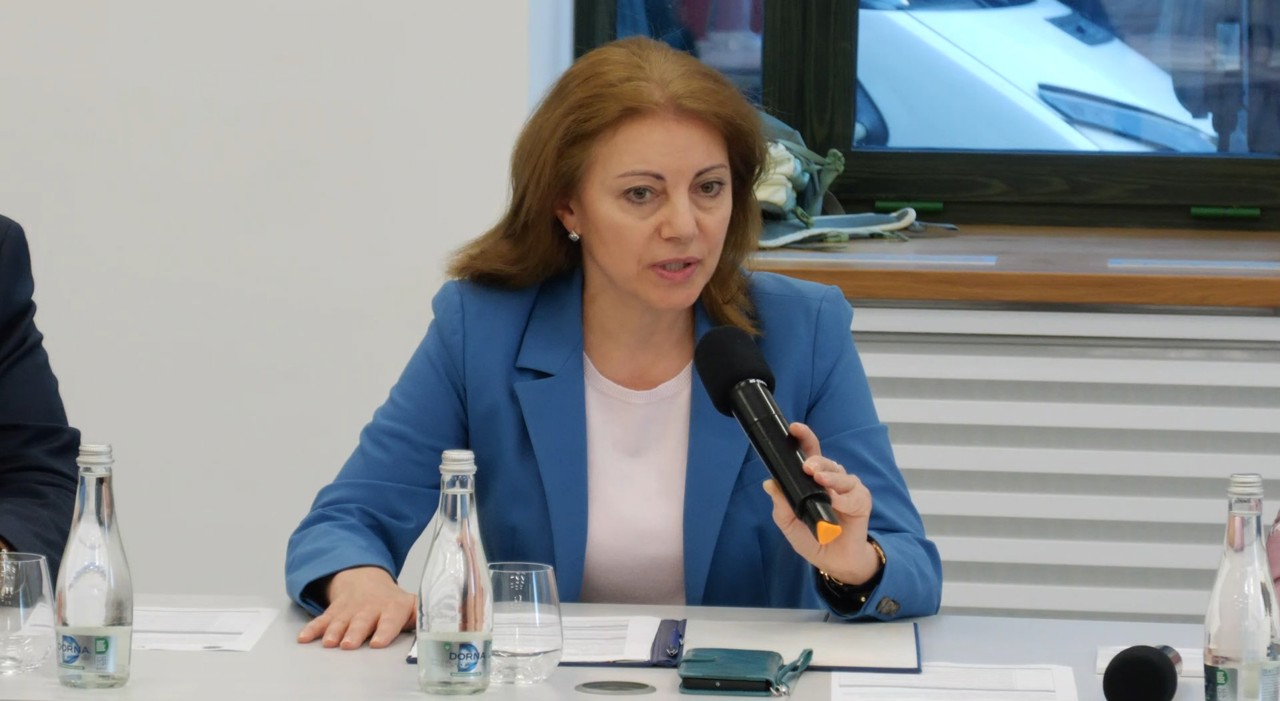
During public consultations organized with civil society experts, Central Electoral Commission (CEC) President Angela Caraman highlighted the urgent need to modernise campaign oversight as political debates shift from traditional television studios to social media networks.
“Today, debates have migrated online, where we face a critical lack of transparency: who runs ads, on whose behalf, whether expenditures are reported to the electoral authority, and whether fair play is upheld,” said Caraman.
Caraman added that the draft amendments follow an official explanatory address issued by the Constitutional Court in October 2025, which instructed Parliament to strengthen platform oversight while rigorously safeguarding freedom of expression.
With nationwide local elections approaching in a year, electoral authorities intend to ensure voters can form opinions free from coordinated manipulation and opaque digital funding.
Third-party oversight and Artificial Intelligence
Natalia Iuraș, an electoral expert and programme coordinator at International IDEA, stressed that the framework reflects lessons drawn from recent election cycles to ensure citizens know who finances online content.
“When citizens encounter a message on social media, they naturally ask who paid for it and why it reached them. If we lack those answers, we must establish clear legal mechanisms to provide that transparency,” said Iuraș.
The draft amendments integrate online campaigning into general advertising rules and establish the formal status of a “third party”—defined as an independent actor that incurs expenditures to influence voting choices.

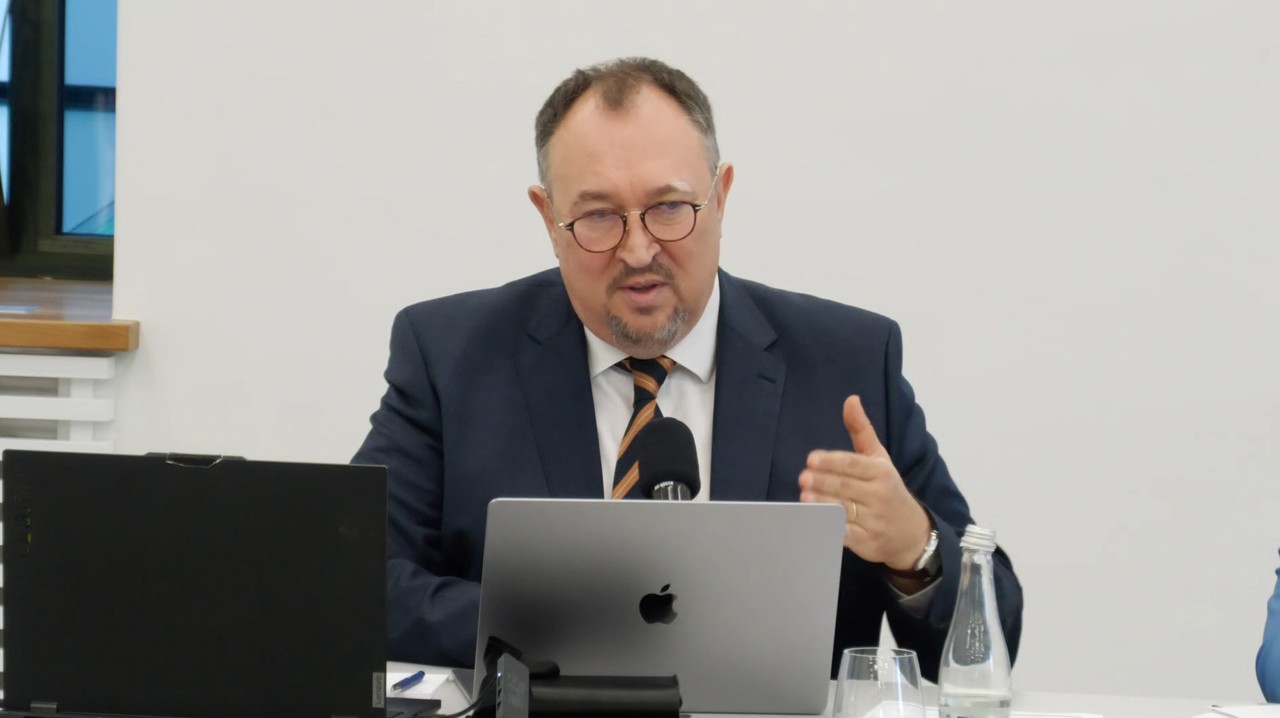
Former Constitutional Court President and Justice Minister Alexandru Tănase explained that the distinction captures high-profile online creators whose reach often rivals formal party campaigns.
“We saw individuals operating independently, outside formal party structures. Content creators with substantial followings can sway voters significantly, which is why electoral influencers must be legally defined,” said Tănase.
The proposed amendments will not ban modern technology but will require mandatory labeling for political content generated or altered through artificial intelligence, prohibiting deceptive deepfakes.
Tănase emphasized that the reforms introduce balanced safeguards rather than censorship, establishing three fundamental obligations for online campaign actors: registration, disclosure, and transparency.
Translation by Iurie Tataru
RELATED COVERAGE
- ELECTIONS 2025 // Angelica Caraman: CEC monitors campaign financing, promises sanctions for violations
- CEC will collaborate with TikTok to combat fakes during the election period
- Constitutional Court validates September 28 elections, confirms new deputies' mandates
- President of CEC: 'Elections are valid; process was fair and transparent'
- Expert: Disinformation and propaganda significantly influenced the vote of voters