Moldova tackles e-waste gap through EU recycling links
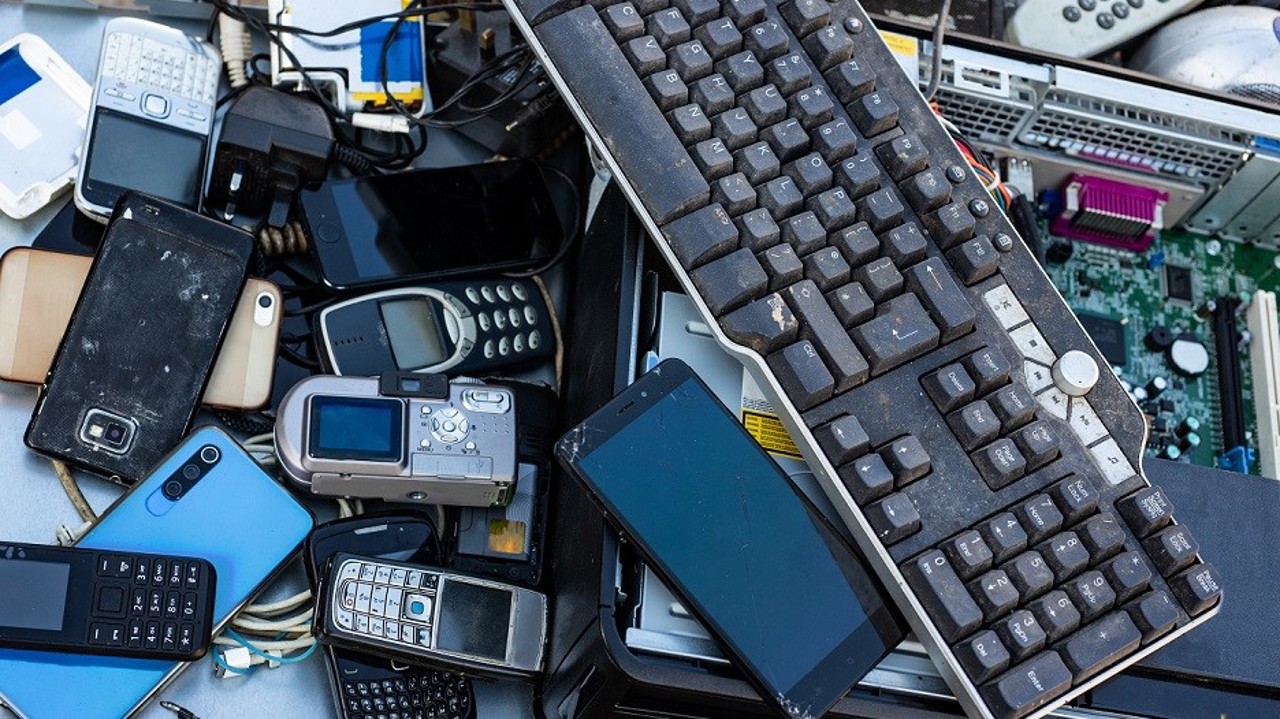
Moldovan environmental specialists have urged citizens to separate electrical and electronic waste from household refuse, warning that improper disposal risks soil contamination while recoverable secondary raw materials are lost.
Hazardous components and recovery potential
Discarded electrical devices, ranging from computer chargers and keyboards to large domestic appliances, must not end up in municipal landfills. Products bearing the crossed-out wheeled bin symbol require dedicated handling due to their dual nature: they contain recoverable metals alongside toxic compounds.
“Such waste contains valuable materials that can be recovered, including copper, aluminium, iron, and plastic, as well as components hazardous to the environment,” said Silvia Nicolaescu, executive director of the Moldcontrol Employers' Association. “If released uncontrolled into nature, certain substances can contaminate soil and water. Damaged batteries, particularly lithium-based cells, also pose fire hazards.”
Cross-border processing and infrastructure deficits
Collected equipment undergoes dismantling to isolate plastics, metals, cabling, and circuitry before treatment. Because Moldova lacks advanced industrial recycling plants for hazardous fractions, complex components are routed to licensed operators across the border in the European Union.
“Batteries are sorted by chemical composition and directed to specialised facilities,” Nicolaescu noted. “Waste requiring complex technologies is dispatched exclusively to certified recyclers in the European Union.”
Official data shows that businesses placed over 11,000 tonnes of electrical and electronic equipment onto the Moldovan market in 2025. However, the volume collected through formal channels remained six times lower.
To handle current domestic volumes, Moldova sent 37 tonnes of electronic waste to Romania during the early months of the year under an arrangement that authorizes shipments of up to 1,000 tonnes. The Environment Agency maintains contact details for the country's eight authorised e-waste collection operators on its public registry.
The challenge reflects a wider international crisis. According to the Global E-waste Monitor, the world generated approximately 62 million tonnes of electronic waste in 2022, with less than a quarter documented as properly collected and recycled.
Translation by Iurie Tataru
RELATED COVERAGE