Moldova adopts Finnish crisis strategy amid Russian pressure
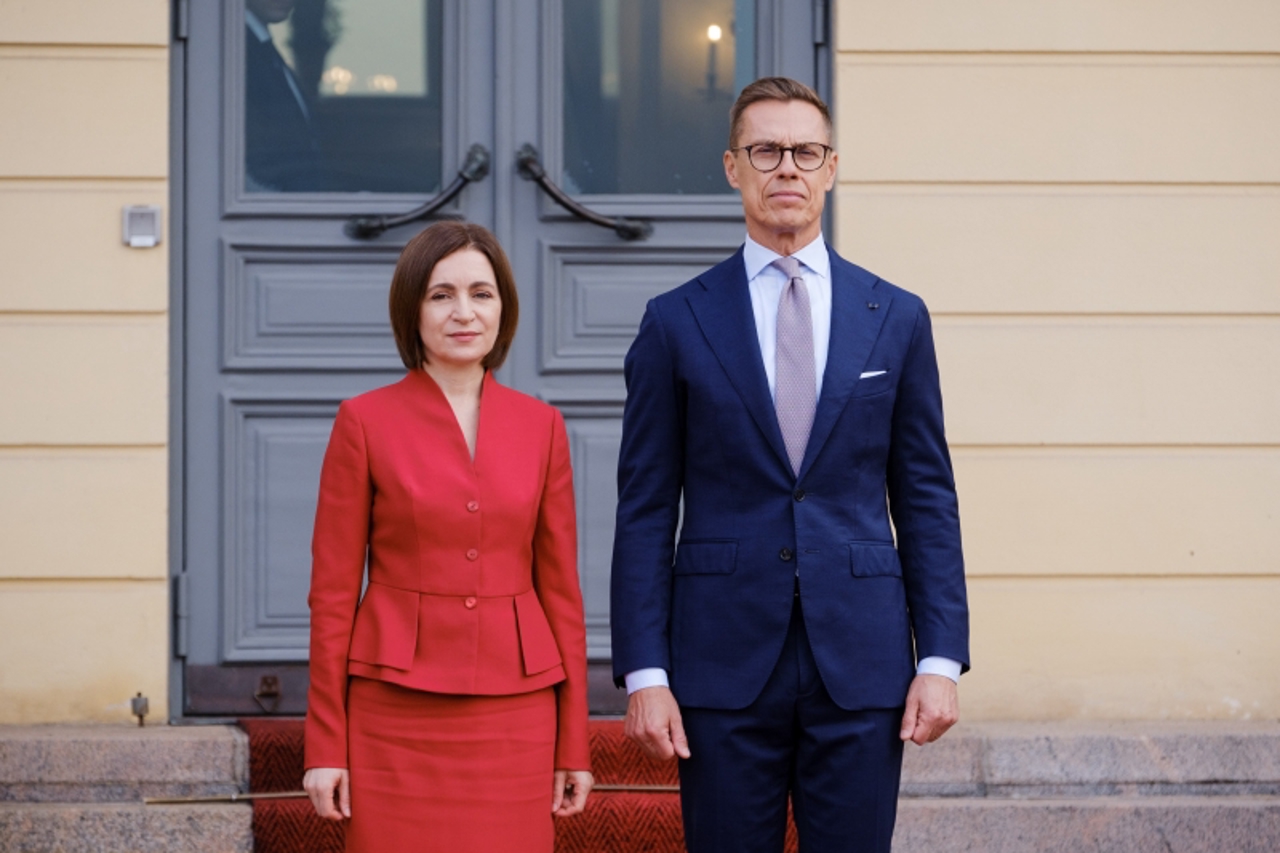
Moldova proposed a structured security dialogue with Finland on Friday to adopt the Nordic nation's comprehensive defense model as Chisinau confronts mounting Russian hybrid threats and airspace violations.
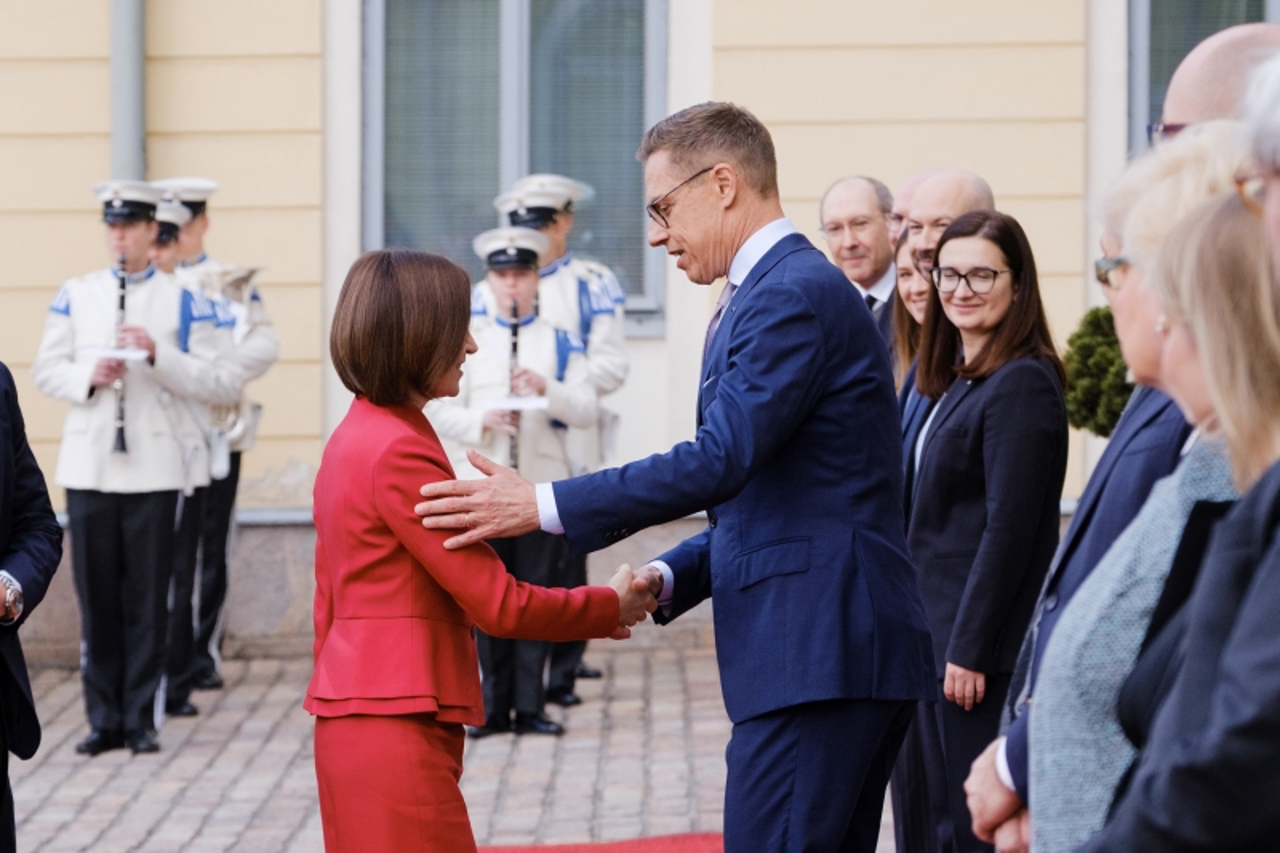
President Maia Sandu met Finnish President Alexander Stubb in Helsinki to discuss societal crisis preparedness, civilian defense resilience, and the country's accession negotiations with the European Union.
Comprehensive security and crisis management
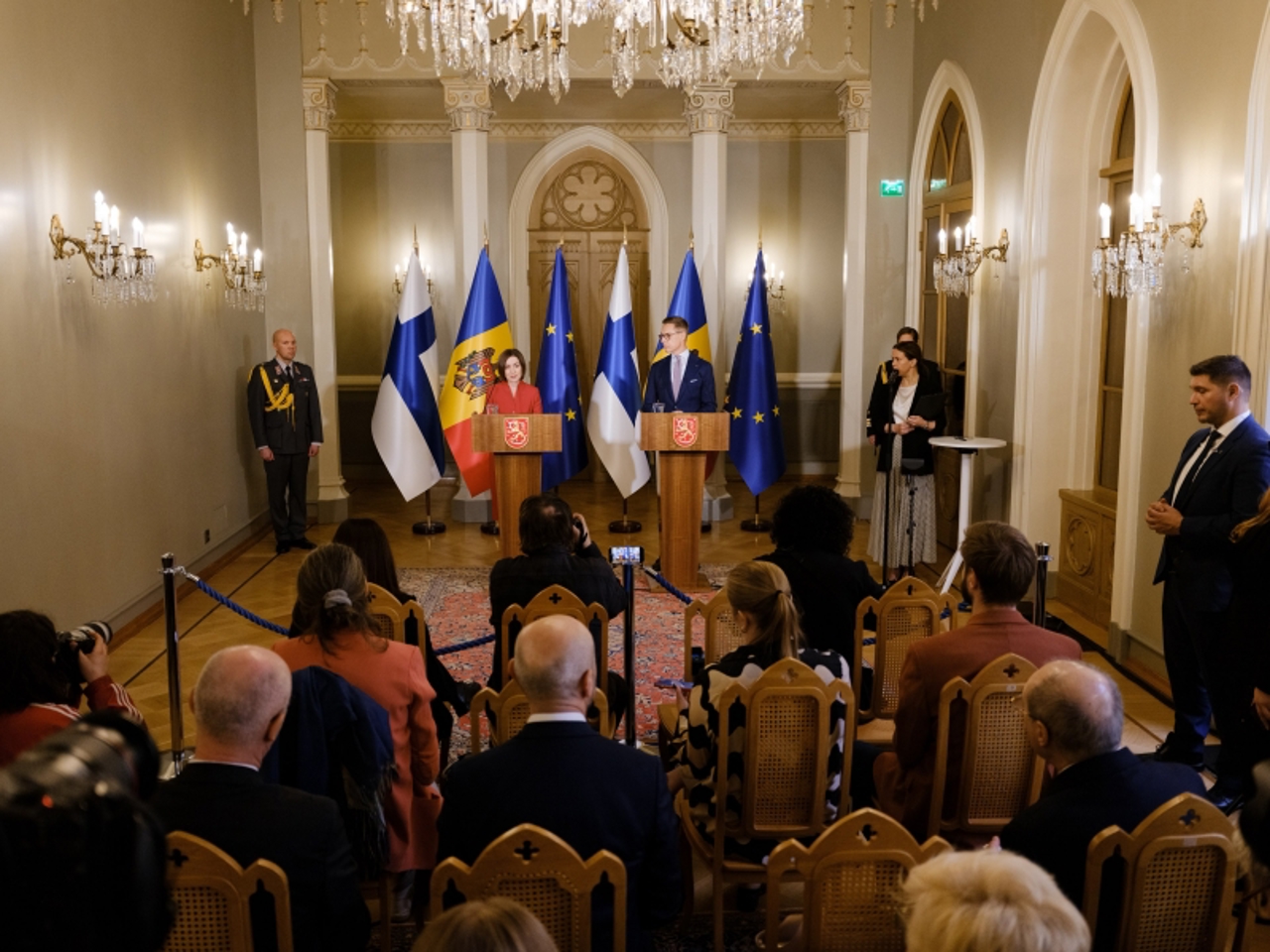
“Our political dialogue is robust, and we have much to learn from Finland,” said Sandu during a joint press briefing with Stubb. “Your comprehensive security model, societal preparedness for crises, and the calm that comes from being prepared are vital for us.”
Sandu also proposed structured bilateral cooperation to ensure that cutting-edge artificial intelligence systems remain under democratic human oversight.
President Stubb reaffirmed Finland’s support for Moldova’s path toward European integration, citing the strategic importance of the country for continental stability.
“Moldova is important for European security, and its rightful place is in the European Union,” said Stubb. “Moldova belongs to the family of liberal European democracies. We discussed Finland’s comprehensive security model and our experience within NATO’s Partnership for Peace programme.”
Escalating airspace incursions and hybrid warfare
Sandu detailed the surge in Russian destabilization campaigns, reporting that Russian drones breached Moldovan airspace more than 45 times in 2026, including eight incursions within the past week alone.
Last month, a Russian strike hit a border crossing between Ukraine and Moldova, killing two people, while an earlier attack on a Ukrainian dam contaminated Moldova's primary drinking water supply.
“Russia uses drones and disinformation to intimidate us and force us to abandon Ukraine and our European choice,” said Sandu. “Our response is to grow stronger: we are investing in air defense, modernizing our military, and increasing defense spending.”
Sandu pointed to extensive election interference, noting that Moscow spent nearly 2% of Moldova’s gross domestic product to disrupt national parliamentary elections. On election day alone, the Central Electoral Commission neutralized a coordinated distributed denial-of-service attack that generated nearly one billion malicious requests.
Energy independence and European integration
In the energy sector, Sandu emphasized that Moldova successfully eliminated its total reliance on Russian natural gas, reducing dependence from 100% to zero. Renewable energy is projected to account for up to 30% of the country’s installed power capacity by the end of the year.
Sandu drew parallels to the historic 1999 EU Helsinki Summit, which initiated accession negotiations for six European countries, including neighboring Romania, based on individual merit.
“Every step forward in the accession process shows our citizens that their democratic choice produces tangible results,” Sandu said, referencing the Finnish concept of sisu as a symbol of Moldova’s steadfast endurance under geopolitical pressure.
During her working visit to Helsinki, Sandu is also scheduled to address the Helsinki Security Forum 2026, organized by the Finnish Institute of International Affairs, and hold bilateral meetings with Prime Minister Petteri Orpo and Parliament Speaker Jussi Halla-aho.
Translation by Iurie Tataru
RELATED COVERAGE
- Maia Sandu visits Finland to meet President Alexander Stubb and attend the Helsinki Security Forum
- Russian drones detected in Moldova's airspace: Two at Palanca and Cioburciu
- Republic of Moldova, a resilience model for the EU: How the country turned Russian hybrid attacks into a lesson for Europe
- Moldova, Romania, and Ukraine launched the Triple Cyber Alliance to exchange information, expertise, and best practices
- Moldova and NATO launch 2025–2028 partnership to fight hybrid threats