Brussels announces €157 million for Moldova, aiming to open all negotiation clusters by year-end
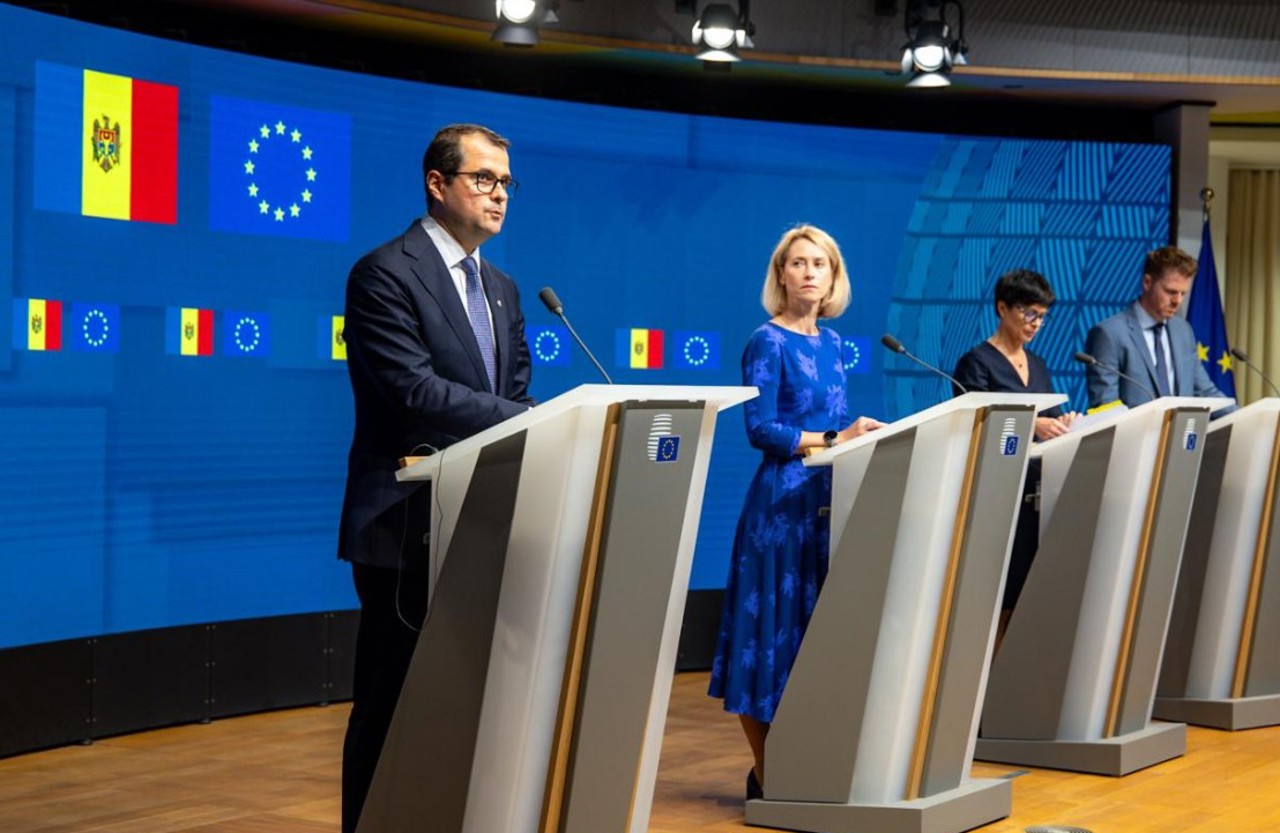
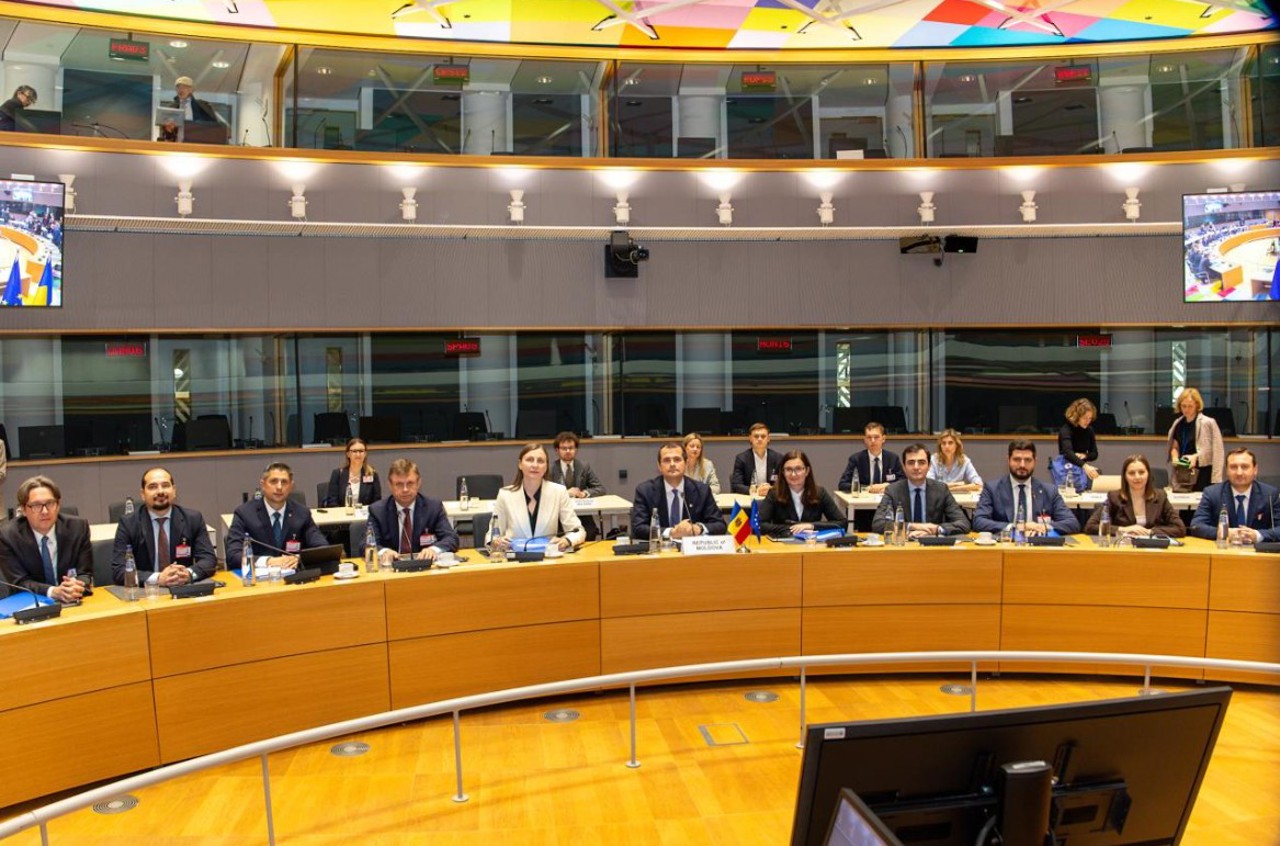
The Republic of Moldova will receive a new tranche of 157 million euros from the Growth Plan. The announcement was made on Monday, October 5, in Brussels, following the tenth meeting of the Republic of Moldova–European Union (EU) Association Council. Additionally, European Commissioner for Enlargement Marta Kos said the EU aims to open all negotiation clusters with the country by the end of the year, while EU foreign policy chief Kaja Kallas assured that the Transnistrian region would not be an obstacle to the Republic of Moldova's EU accession.
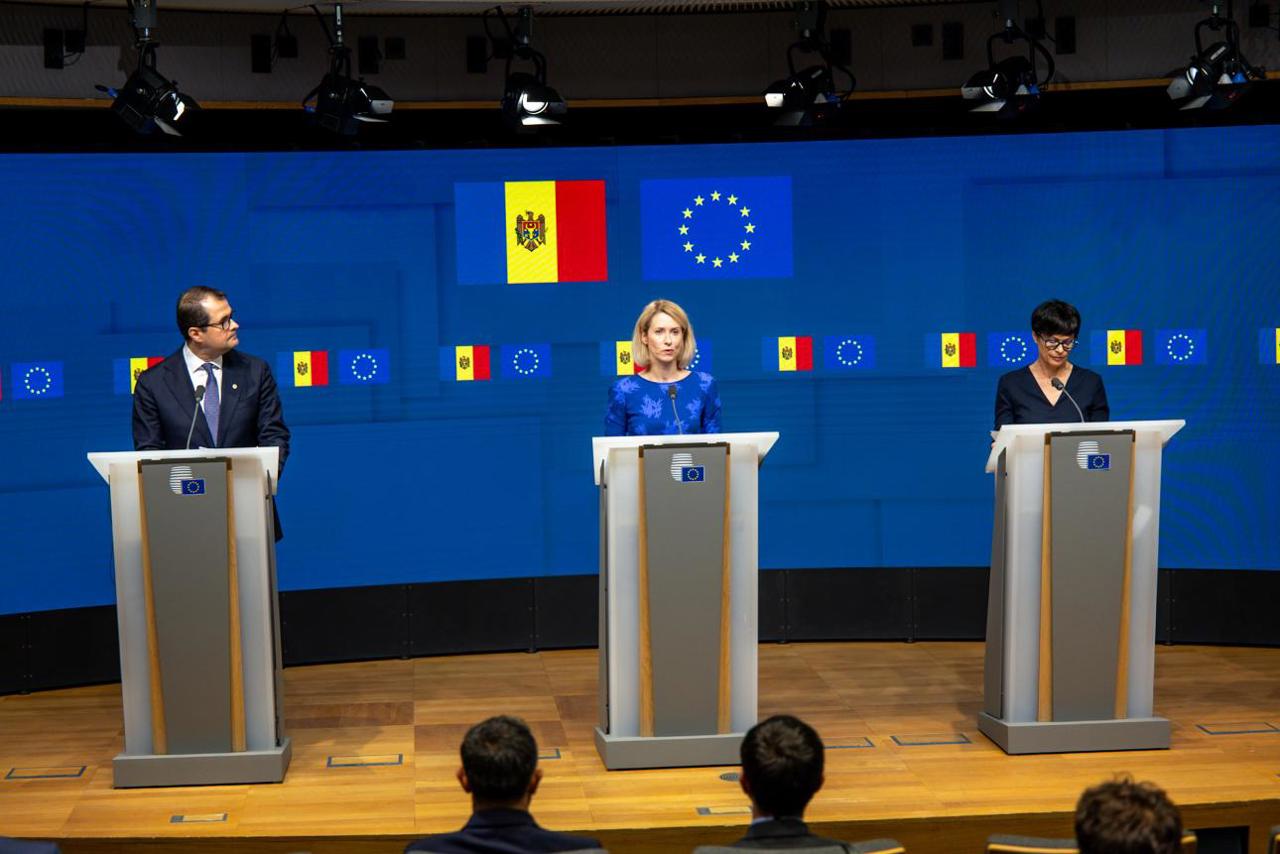
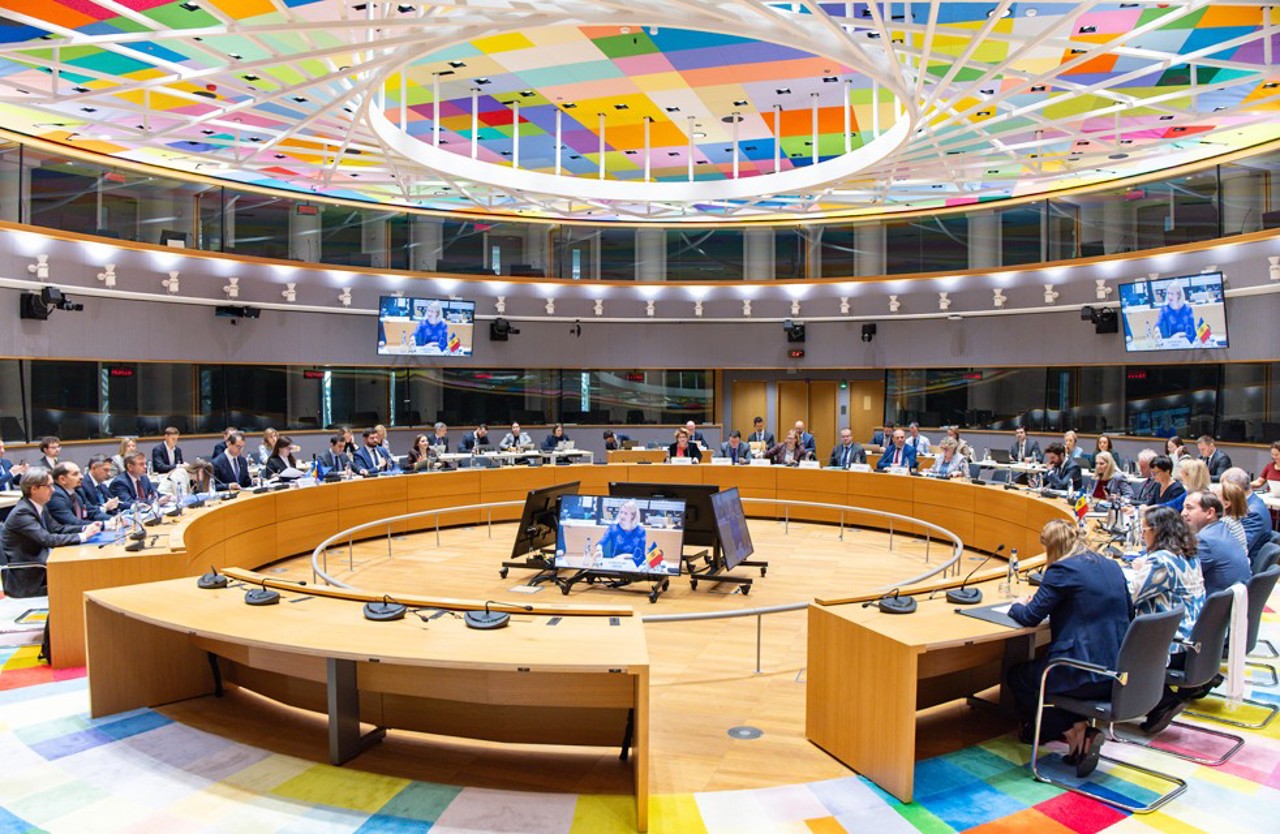
Relations between Chișinău and Brussels "have never been closer," noted Kaja Kallas, the EU High Representative for Foreign Affairs and Security Policy, at the press conference held following the Republic of Moldova–EU Association Council meeting.
"Today, we have unlocked a new tranche of 157 million euros. Moldova is gradually entering the European Union's single market; you have joined the single payment system—which, as you mentioned, makes the payment system more efficient and less expensive—and Moldovan citizens are realizing what it means to be part of the European Union," Kallas stated.
Prime Minister Vasile Tofan noted at the same conference that the new tranche follows an assessment of the reforms implemented by Chișinău. According to him, the Republic of Moldova has fulfilled approximately 95% of the measures outlined for the latest reporting period, and the funds will be used for investments across several sectors.
"Today, another 157 million euros are being disbursed following the completion of the 18 reforms from the latest reporting period. These funds help us finance investments in transport, energy, water and sanitation, healthcare, and education," Tofan mentioned.
The effects of moving closer to the EU are already visible in trade, the Prime Minister noted. In the first half of the year, approximately two-thirds of the Republic of Moldova's goods exports went to the European Union. These totaled approximately €1.3 billion, an increase of over 10%.
Tofan also cited examples of changes directly experienced by citizens. These include lower costs for euro transfers, simplified freight transport, and reduced roaming charges.
"Thanks to SEPA, the average cost of a euro transfer is now around €1, compared to fees that previously started at €20. The Common Transit Convention simplifies the transport of goods. Roaming within the European Union is cheaper, making it easier to stay in touch with loved ones. These are very concrete examples of European integration," the Prime Minister noted.
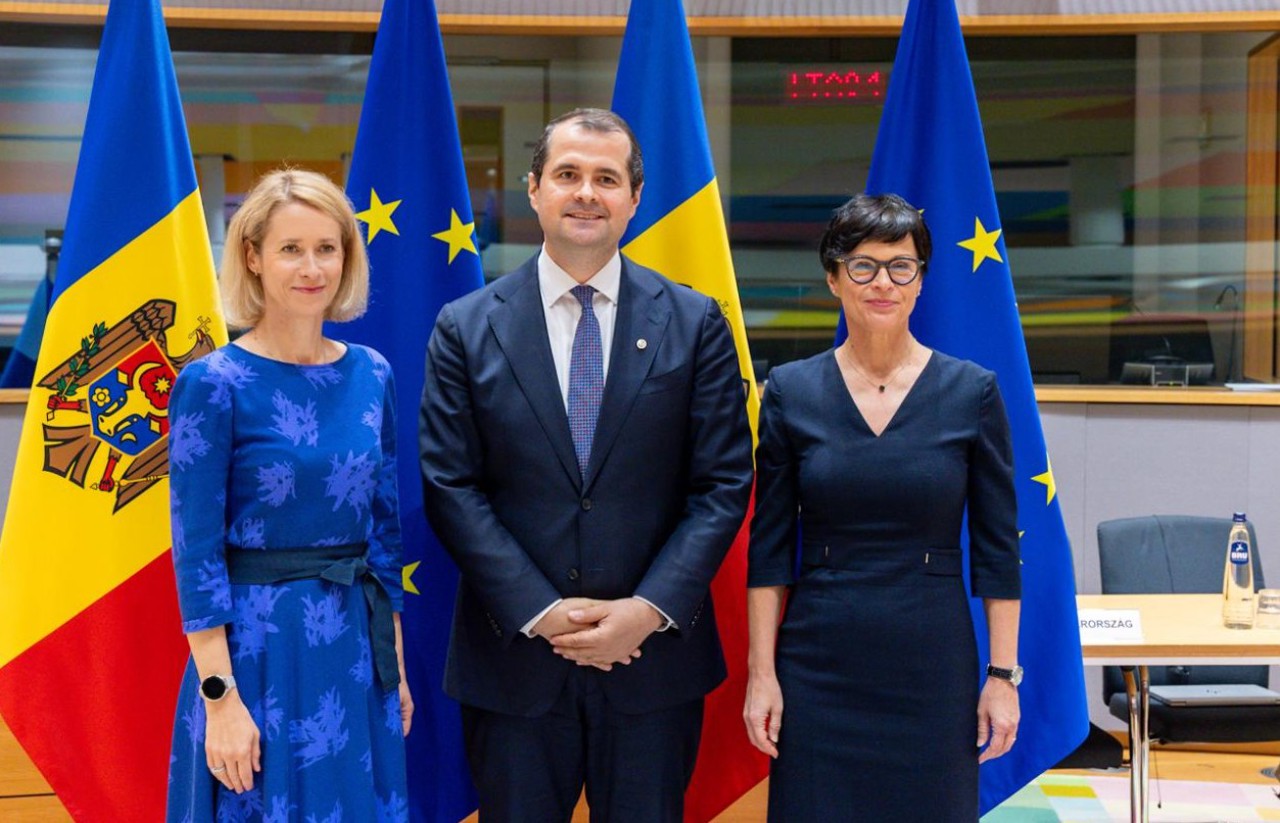
Brussels' goal: All negotiation clusters to open by the end of 2026
Regarding EU accession, the Chisinau government has set two milestones: completing the technical work required for negotiations by early 2028 and preparing the country for membership by 2030.
"It is an ambitious timeline, but we do not shy away from ambitious tasks. We are not asking for lower standards or shortcuts. We believe in a predictable, merit-based process where progress in reforms is followed by progress in negotiations," stated Tofan.
However, as the Republic of Moldova moves closer to the EU, Chisinau's institutions also face growing responsibility. They must be able to implement reforms and translate the support received into concrete projects, the government official added.
"Brussels can offer us market access, funding, expertise, and political support. But Brussels cannot make our institutions function better. It cannot execute projects on our behalf. It cannot simplify our procedures. That part of the work must be done in Chisinau," Vasile Tofan noted.
For her part, European Commissioner for Enlargement Marta Kos announced at the same press conference that two additional negotiation clusters are set to open soon, with the goal of having all packages unlocked by the end of this year. At the same time, the European official emphasized that the Republic of Moldova must continue to make steady progress regarding the rule of law.
"Moldova is currently moving towards European Union membership at an impressive pace. You are one of the leading countries in this regard. We also support your hard work in meeting the interim benchmarks related to the rule of law. Reforms are advancing across all sectors—including the judiciary—and strengthening the rule of law is among our key priorities," Kos noted.
Continuing these reforms could also unlock new resources for the Republic of Moldova from the Growth Plan. Kos stated that the country could secure over 500 million euros this year if it maintains its current pace.
"We are modernizing roads and investing in schools together, and we want to create even more jobs in Moldova so that young Moldovans can turn their vision of the future into reality right here at home," the European Commissioner said.
€317 million in support for the Republic of Moldova’s security
In addition to EU accession and economic support, discussions in Brussels also focused on security. Kallas noted that the Republic of Moldova was the first country to sign a Security and Defence Partnership with the EU. According to the European official, European support aimed at modernizing the country's defense has reached €317 million.
"We also support the modernization of defense in the Republic of Moldova. The current package is worth €317 million, making it the second-largest recipient of such funds globally," Kallas stated.
The EU’s top diplomat described incidents involving Russian drones and airspace violations as unacceptable, accusing the Kremlin of endangering lives and attempting to sow fear through such actions.
"Security was a key item on our agenda, as there have been numerous airspace violations and sabotage attempts by Russia. Russian drones have entered Moldovan airspace—including just this past weekend—which is unacceptable, as the Kremlin is effectively endangering human lives across the entire continent. Russian actions aim to incite fear and paralyze our decision-making. However, we are responding with resilience and increased support for Ukraine," Kallas added.
The Republic of Moldova must strengthen its airspace surveillance and defense capabilities, Prime Minister Tofan stated. "Repeated violations of Moldova’s airspace by Russian drones and missiles pose a serious risk to our population and civilian infrastructure. We are grateful for the EU’s support in strengthening Moldova’s resilience and defense capabilities through the European Peace Facility," stated Tofan.
The Prime Minister also spoke about the support provided to Ukraine. He noted that some of the decisions Chisinau has made in this regard are not always easy domestically—including facilitating the transit of Ukrainian grain through the Republic of Moldova.
"We also remain a devoted neighbour and friend to Ukraine, with whom we share a 1,222-kilometre border—the longest of any country to Ukraine's west. We do this because maintaining Ukraine’s access to export routes matters for regional stability and global food security," said Vasile Tofan.
The Transnistrian region and Gagauzia
Another topic addressed at the Brussels meeting was the situation in the Transnistrian region and how it might influence the Republic of Moldova's European integration path.
"The current economic model there is not sustainable, which means that Chișinău's efforts toward socio-economic reintegration are all the more important. The Transnistrian region will not be an obstacle to Moldova's accession to the European Union," stated Kaja Kallas.
The EU's top diplomat also referred to the upcoming elections in Gagauzia. According to her, the way the vote is organized will be relevant to the country's cohesion and democratic resilience.
"Regarding the continued dialogue with Chișinău, it is crucial to remember that the elections in Gagauzia must also be conducted in a free and transparent manner. They will demonstrate democratic cohesion and resilience," Kallas noted.
We remind you that participation in the 10th meeting of the Republic of Moldova–European Union Association Council marked Prime Minister Vasile Tofan's first visit to Brussels as Head of Government of the Republic of Moldova.
His first foreign visit after taking office was to Romania on July 30—about a week after assuming the premiership—while his second was to the United States from September 23 to 26, where he attended the 81st session of the United Nations General Assembly.