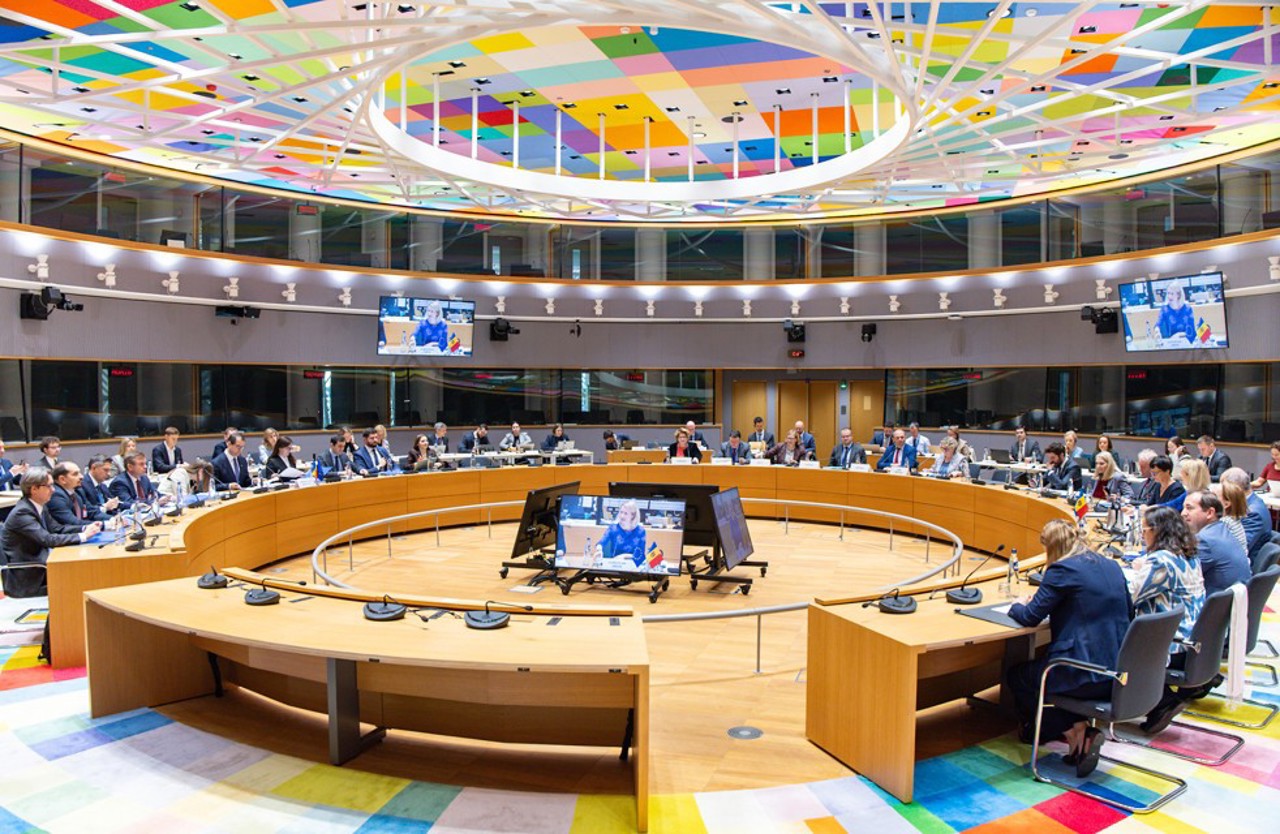
Marta Kos states the EU will assess aiding Moldova with cold season compensation
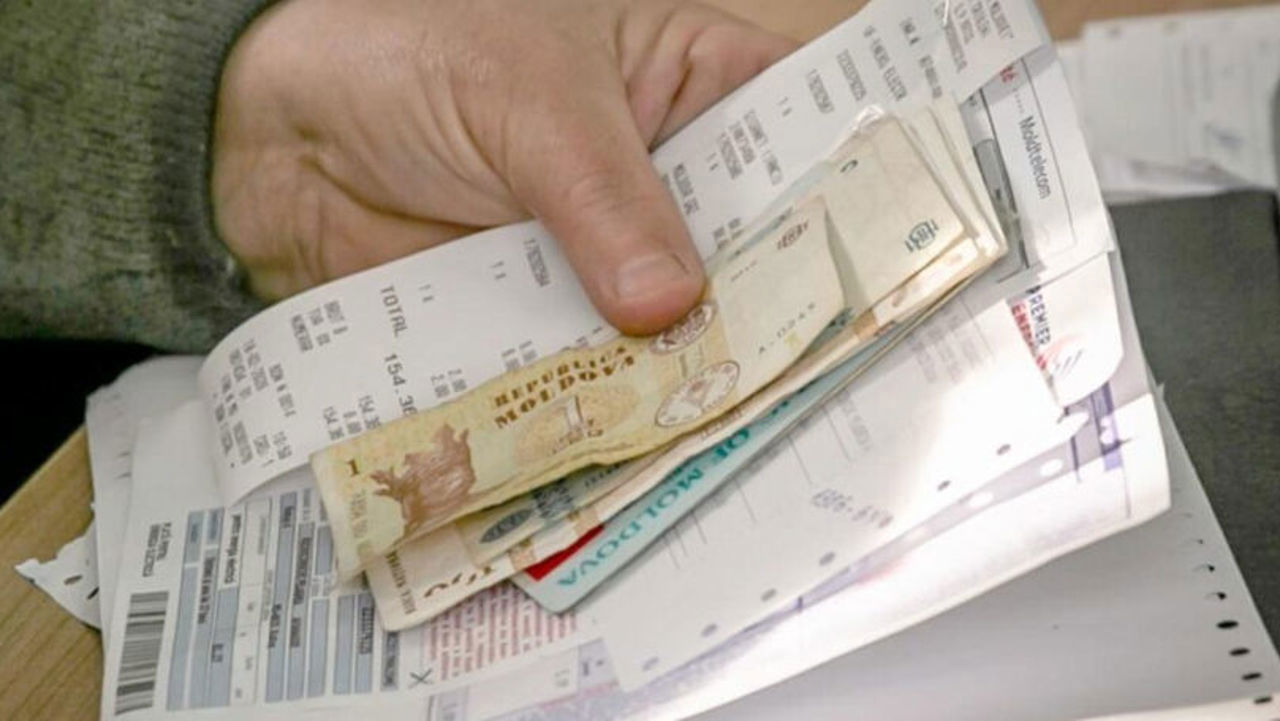
The European Union (EU) will assess whether it can help Chișinău provide compensation during the cold season. At the same time, Brussels is prepared to support Chișinău in diversifying its supply sources—with efforts to this end already underway—so that the burden of utility bills borne by citizens is reduced in the long run. The Republic of Moldova has already signed a contract to purchase gas from the Neptun Deep field, which is set to enter production in Romania next year. Authorities are also negotiating additional contracts with the United States (USA) and Azerbaijan.
High natural gas prices are an issue affecting countries worldwide. Diversifying procurement sources could help.
"Our government has announced that diversifying gas supply sources from countries friendly to Moldova is a priority. For instance, from the US or key EU suppliers—including Romania, with whom we have already signed a contract starting next year via the 'Neptun Deep' project—or from other friendly nations like Azerbaijan. We want to build closer ties with these countries and diversify our supply routes," stated Prime Minister Vasile Tofan.
The European Union is ready to support the Republic of Moldova both in the long term by diversifying procurement sources and in the short term by providing funds for compensation during this cold season.
"The support we provided last year was crucial in lowering people's bills. The Prime Minister has presented a support scheme that requires less funding but is more efficient than last year's. We must acknowledge that Moldova has moved away from all forms of gas supply from Russia, which is admirable. However, the situation has become complicated, as ensuring affordable energy is a challenge," noted European Commissioner for Enlargement Marta Kos. In 2025, the European Union announced a support package worth up to €250 million for the Republic of Moldova's energy independence and resilience. The package provided for, among other things, the compensation of additional electricity costs for households, support for the most vulnerable families, and the offsetting of cost increases for social institutions, including schools, hospitals, and kindergartens.