Plummeting Prut flow triggers emergency water measures in Leova
A sharp drop in the Prut River’s flow from 24 to 14 cubic meters per second has threatened drinking water supplies across 11 southern Moldovan localities, placing roughly 18,000 residents at immediate risk.
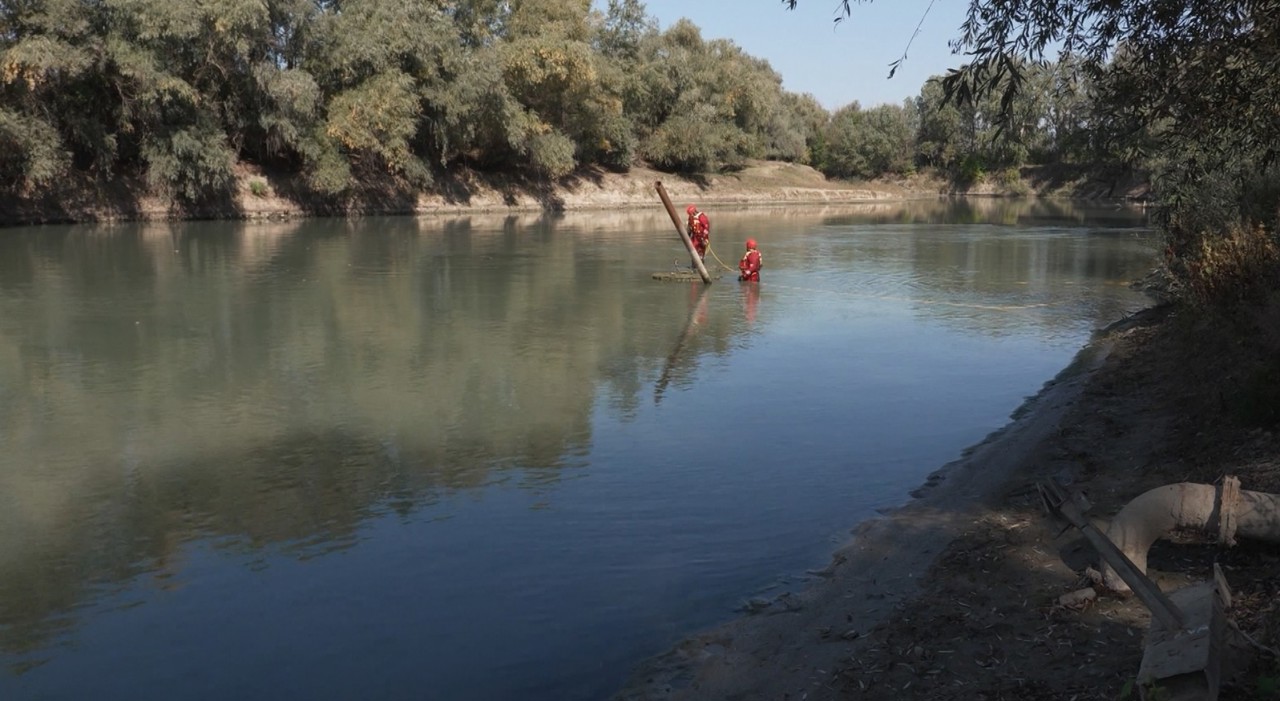
The water shortage poses an acute challenge for the towns of Leova and Iargara, where over 95% of urban households rely entirely on the Prut River for daily running water. In response, municipal technical crews have deployed supplemental intake infrastructure directly into the riverbed to avert an imminent disruption.
Emergency intakes and backup pumps deployed
Specialized plastic piping now redirects water from deeper sections of the river channel into the main intake station. The setup allows pumping operations to continue even if the river recedes further, while regional authorities prepare mobile pump units as a contingency measure.
“This is the first time the Prut River has dropped to such a record low,” said Sergiu Revenco, administrator at municipal water operator Apă-Canal Leova. “We serve 8,000 urban consumers, including schools, kindergartens, and the local penitentiary. We have one mobile pump in place, and the government is allocating a secondary reserve pump so that we are prepared.”
Municipal officials stressed that technical interventions at the river station were vital to keeping intake points submerged beneath the dropping waterline.
“Intake points were practically left suspended above the river level, leaving only one operational point to supply the pumping station with sufficient water,” said Leova Mayor Alexandru Bujorean. “Technical solutions exist, and we hope controlled discharges from the Costești-Stânca dam will stabilize river levels so tap water deliveries remain uninterrupted.”
Household insecurity and conservation fears
The ongoing dry spell has stirred deep concern among local households. While suburban families with greenhouses tap secondary wells and storage tanks to sustain crops, apartment dwellers face severe limitations in building emergency reserves.
Local residents noted that while bottled water remains available for drinking, prolonged outages would paralyze domestic hygiene and sanitation. The regional distribution network managed by Apă-Canal Leova supplies water to 11 communities across the district, leaving public services on high alert until upstream river flows recover.
Translation by Iurie Tataru
RELATED COVERAGE
- Moldova warns of severe water crisis amid historic drought
- Taraclia Reservoir shrinks by 30% as severe drought hits southern Moldova
- Water-saving measures urged amid declining Nistru levels
- Chisinau stores water in hospitals and kindergartens amid supply crisis
- Drought-resistant crops tested as corn alternatives in Moldova