Doctors warn untreated childhood anemia damages development
Anemia affects four in ten children worldwide, requiring clinical intervention through iron supplementation and targeted dietary adjustments in 80% of cases to prevent severe developmental harm, medical specialists warned.
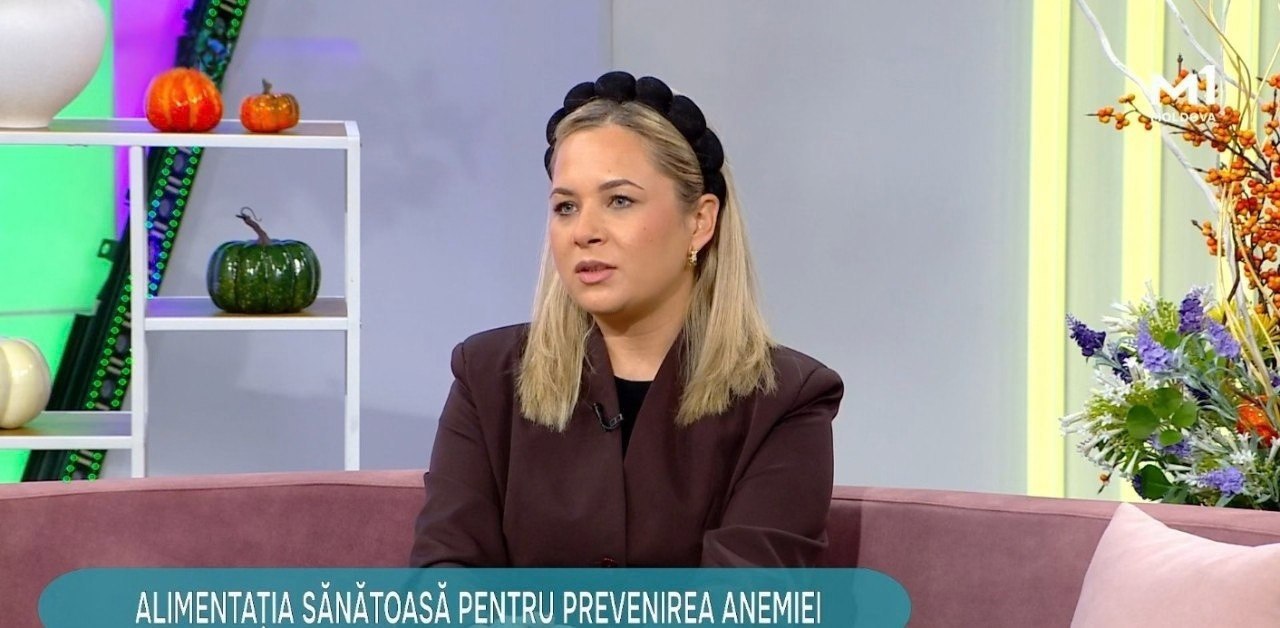
Iron serves as a cornerstone micronutrient during early childhood, powering cellular energy production alongside hemoglobin formation. Beyond oxygen delivery, it underpins central nervous system maturation and immune defenses, pediatrician Dr. Natalia Vanica noted on public broadcaster Moldova 1.
Clinical signs and developmental risks
Persistent pallor, chronic fatigue, and general weakness represent the most prevalent diagnostic red flags for parents. Left unmanaged, the condition directly degrades cognitive retention, stalls physical growth, and compromises academic performance in school-age children.
Deficiency can also manifest through brittle hair, cracked lip corners, or unusual dietary cravings such as pica, where children consume ice or chalk. Parents typically seek specialized medical evaluations once children display notable passivity, diminished stamina, and memory deficits.
Pediatricians diagnose the condition most frequently between the ages of six months and five years. However, maternal iron deficiency during pregnancy can cause congenital anemia in newborns.
Laboratory diagnostics and dietary imbalances
Early clinical identification relies on a routine complete blood count to detect depressed hemoglobin concentrations and altered red blood cell indices. When suspicion persists, secondary biochemical testing evaluates serum iron and ferritin levels, the key protein responsible for internal iron reserves.
A comprehensive patient history remains vital to rule out false positives, particularly because some children exhibit few outward symptoms during early onset. A full clinical workup ensures accurate differentiation between nutritional deficiencies and underlying metabolic factors.
Imbalanced nutrition driven by selective eating habits remains the primary catalyst of iron depletion. Young children frequently restrict their diets to four or five staple foods, rejecting vital iron sources such as meats, eggs, pulses, and vegetables.
Rapid childhood growth cycles elevate physiological iron demands far beyond what restricted diets can deliver, Dr. Vanica explained. Nevertheless, genetic predispositions can also trigger anemia in children who eat varied diets, requiring clinicians to cross-reference familial medical histories.
Translation by Iurie Tataru
RELATED COVERAGE