NATO assembly chief warns Moldova faces frontline risks
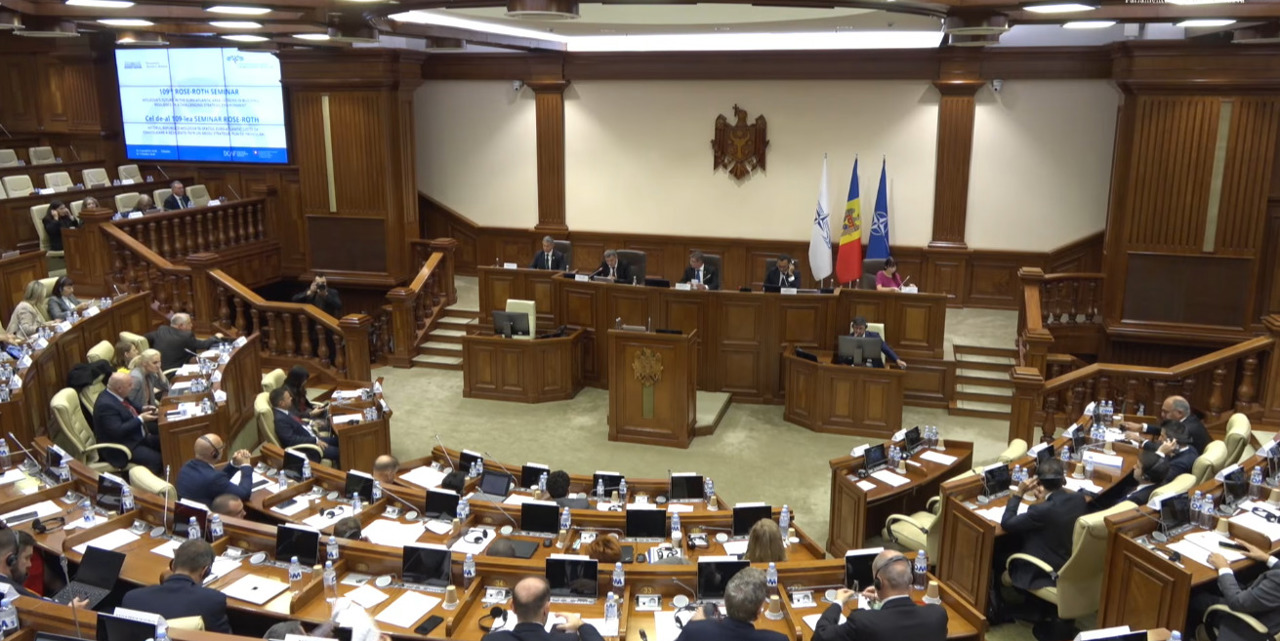
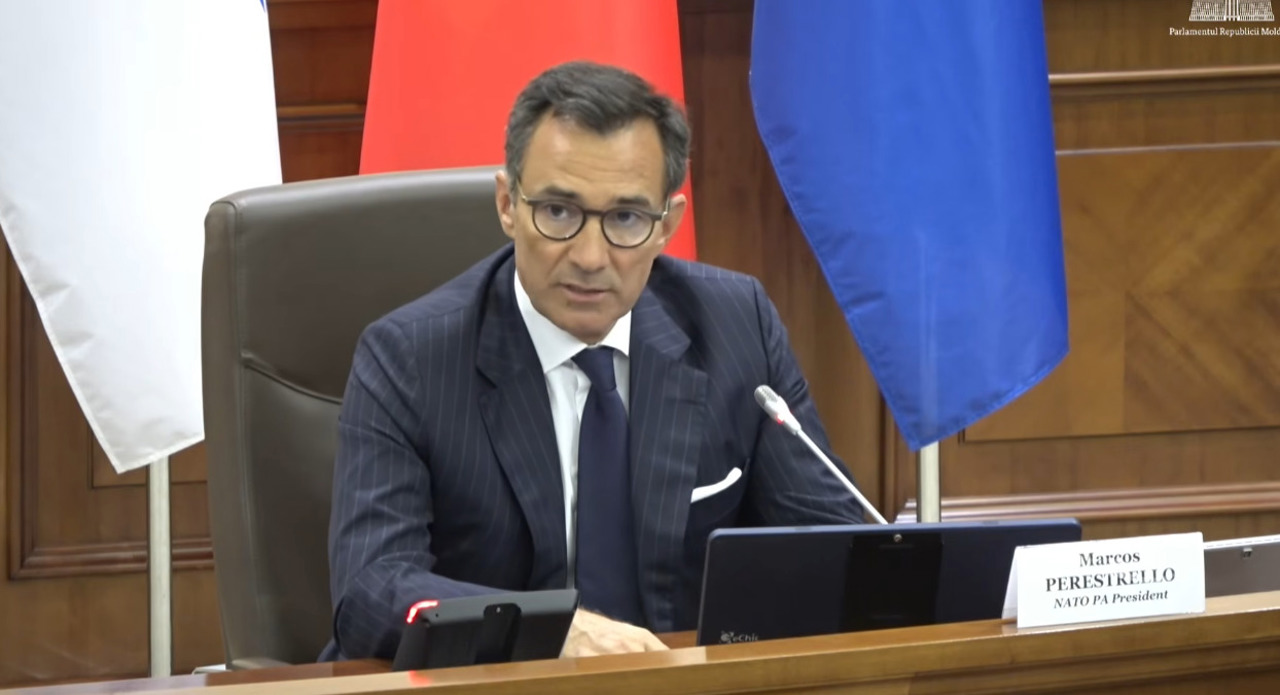
Moldova stands on the frontline of escalating regional security threats, from Russian drone incursions to cyberattacks and disinformation, NATO Parliamentary Assembly President Marcos Perestrello warned in Chisinau on Tuesday.
Addressing the opening of the 109th Rose-Roth Seminar, Perestrello emphasized that Russia's war of aggression against Ukraine directly destabilizes the broader Black Sea basin and the entire Euro-Atlantic community.
Deteriorating regional security environment
“It is essential that we gather here this week as the NATO Parliamentary Assembly, because the Republic of Moldova is on the frontline of many of the security challenges affecting both Alliance members and partners,” said Perestrello.
“From airspace violations by drones, hybrid warfare, and cyberattacks to disinformation campaigns and strikes on critical infrastructure, our security environment continues to deteriorate,” he added.
Perestrello highlighted that the Black Sea region's stability is inextricably linked to NATO's northern and southern flanks, warning that the Kremlin's aggression constitutes a global security crisis. He also pointed to Moldova's vulnerability to energy blackmail following systematic Russian bombardments of Ukraine's power grid.
Despite these foreign interference attempts, Perestrello noted that Moldova's democratic institutions and civil society proved their resilience during recent electoral cycles.
Defense priorities and airspace surveillance
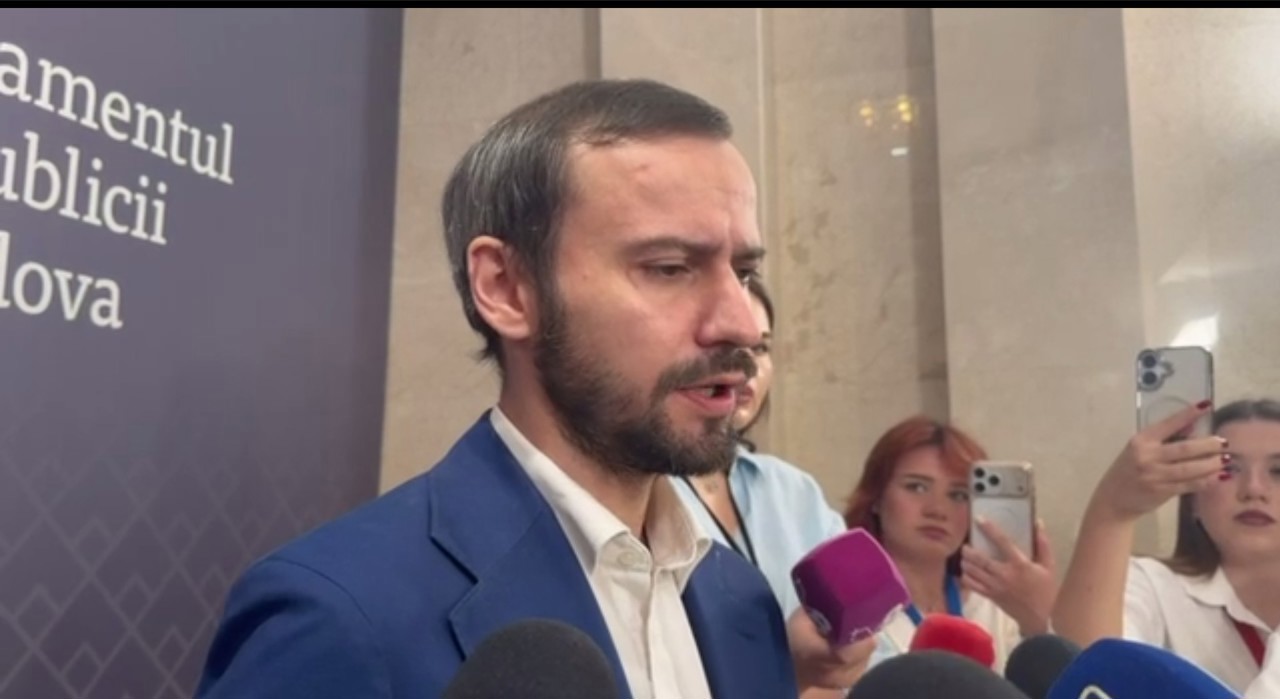
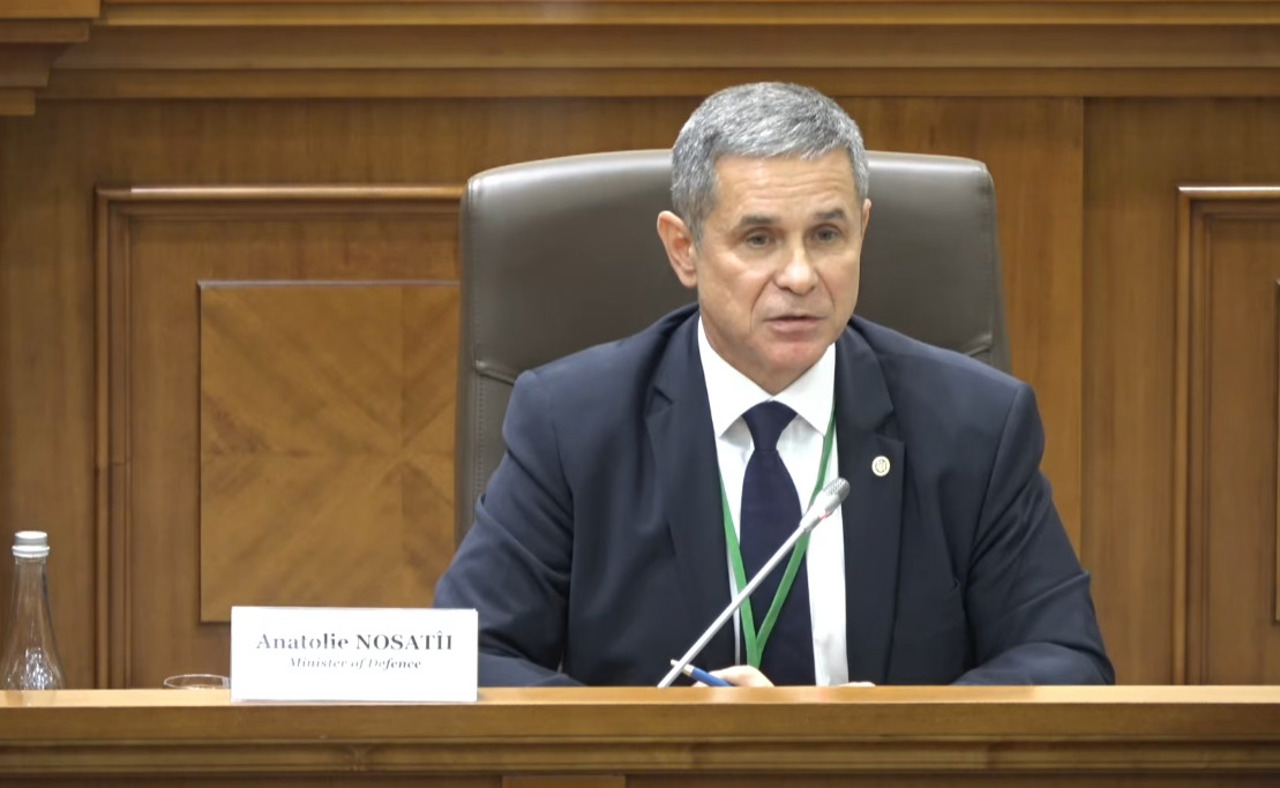
Moldovan Defense Minister Anatolie Nosatîi told participants that national resilience has become an urgent security necessity in the face of ongoing hybrid pressure and the continued illegal presence of Russian troops in the country's eastern districts.
“Resilience is not an abstract concept. For the Republic of Moldova, resilience is a national security necessity,” said Nosatîi.
He outlined Chisinau's core modernization priorities, focusing on airspace surveillance, early warning systems, anti-drone capabilities, cyber defense, and critical infrastructure protection. Nosatîi underscored that while Moldova relies on NATO support to modernize its armed forces, it also contributes actively to global stability through deployments to KFOR in Kosovo, UNIFIL in Lebanon, and EU missions such as ALTHEA in Bosnia and Herzegovina.
Forty-eight airspace violations recorded in 2026
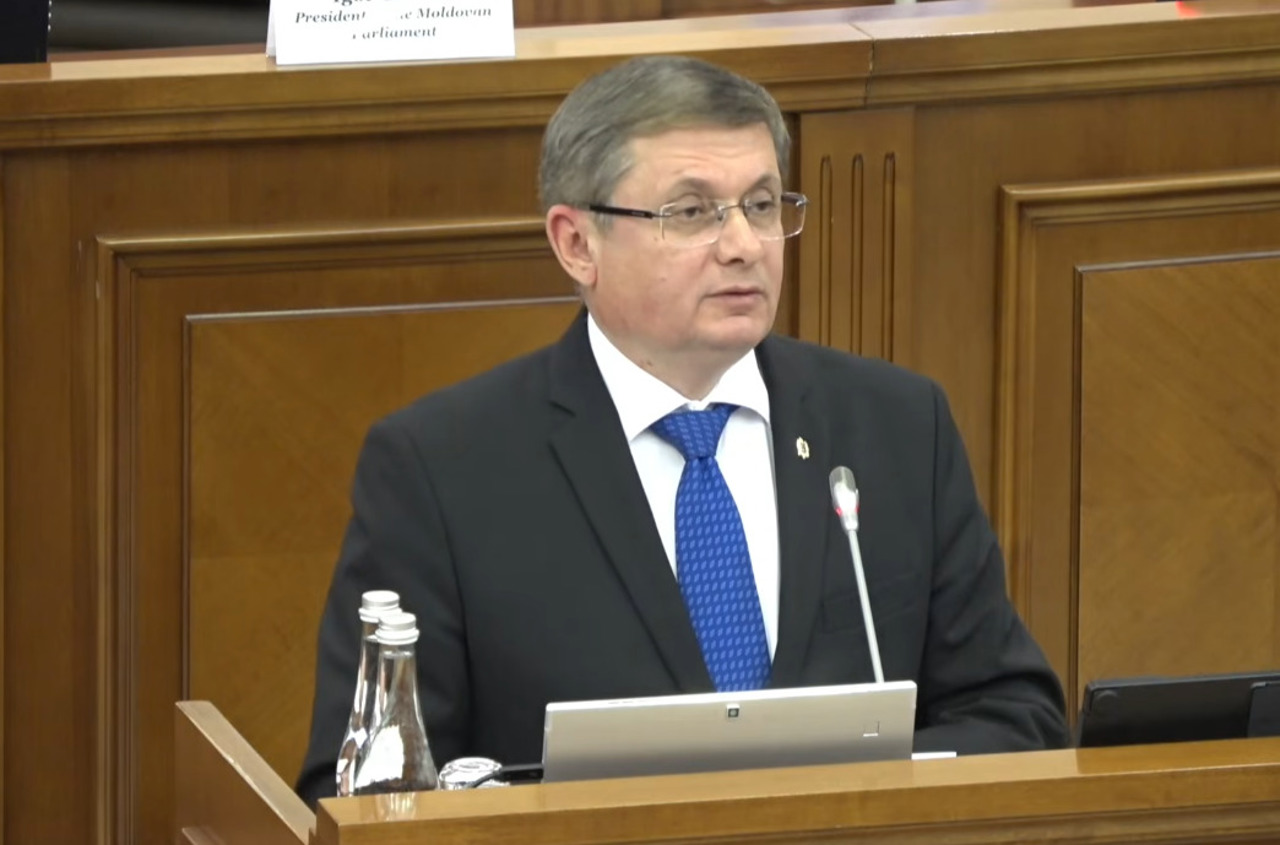
Speaker of Parliament Igor Grosu stressed that Moldova must reinforce its constitutional neutrality by building credible defense capabilities, noting that 48 aerial objects, including missiles and drones, have breached national airspace since January.
“This surge demonstrates how much the risks to the safety of our citizens have intensified,” Grosu said. “Moldova remains a neutral state, but the experience of recent years has made it very clear that neutrality must be backed by the state's real capacity to defend its territory and people.”
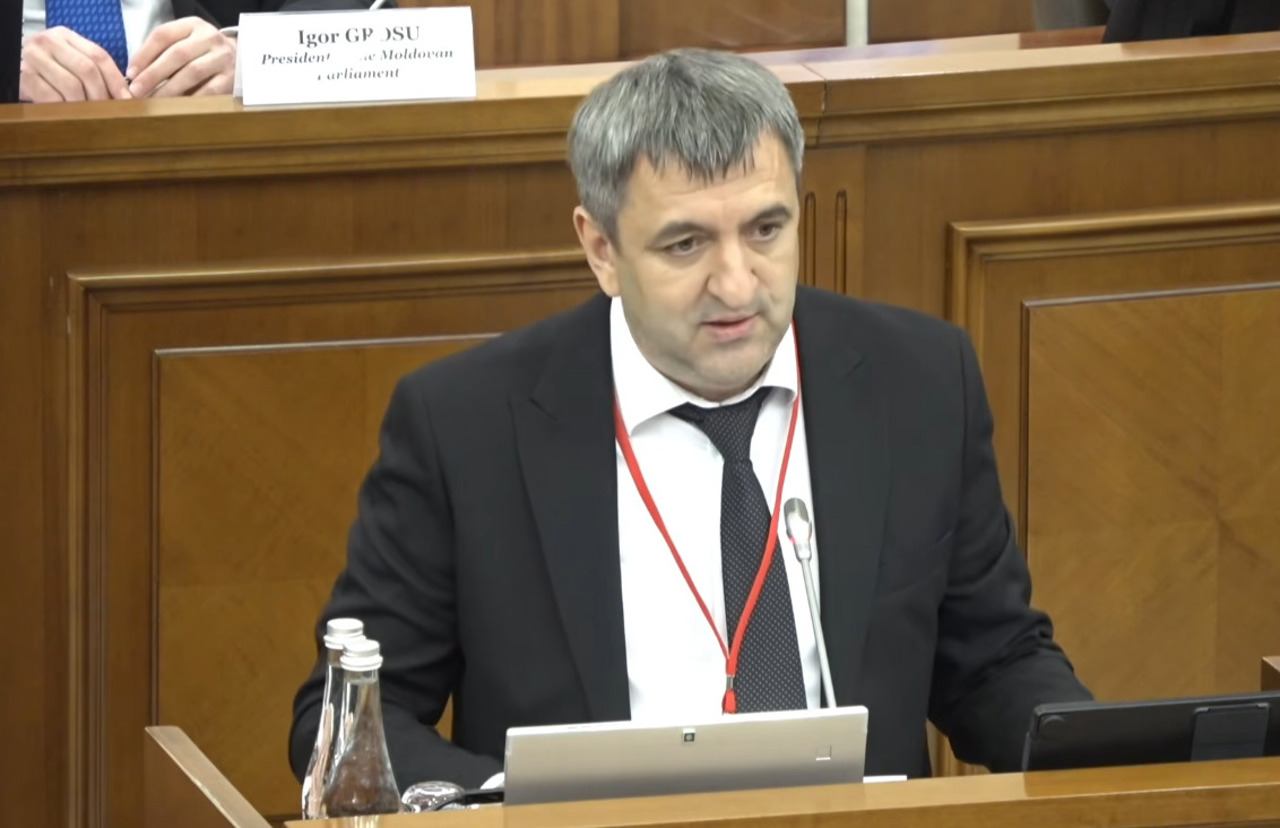
Lilian Carp, chairman of the parliamentary committee on national security, defense, and public order, concluded that modern state security extends beyond defense hardware to strategic investments in institutional reform, regional partnerships, and societal resilience.
The 109th Rose-Roth Seminar runs in Chisinau through October 7, bringing together international lawmakers, defense officials, and diplomats to assess Moldova's European integration and security architecture.
Translation by Iurie Tataru
RELATED COVERAGE
- Drones breach Moldova airspace over five districts
- Moldova denies airspace breach following central district alerts
- Russian drones detected in Moldova's airspace: Two at Palanca and Cioburciu
- NATO reaffirms partnership with neutral Moldova amid regional threats
- Defense Minister Nosatii announces military reserve and pension reforms