Chisinau faces water supply overhaul amid historic river drop
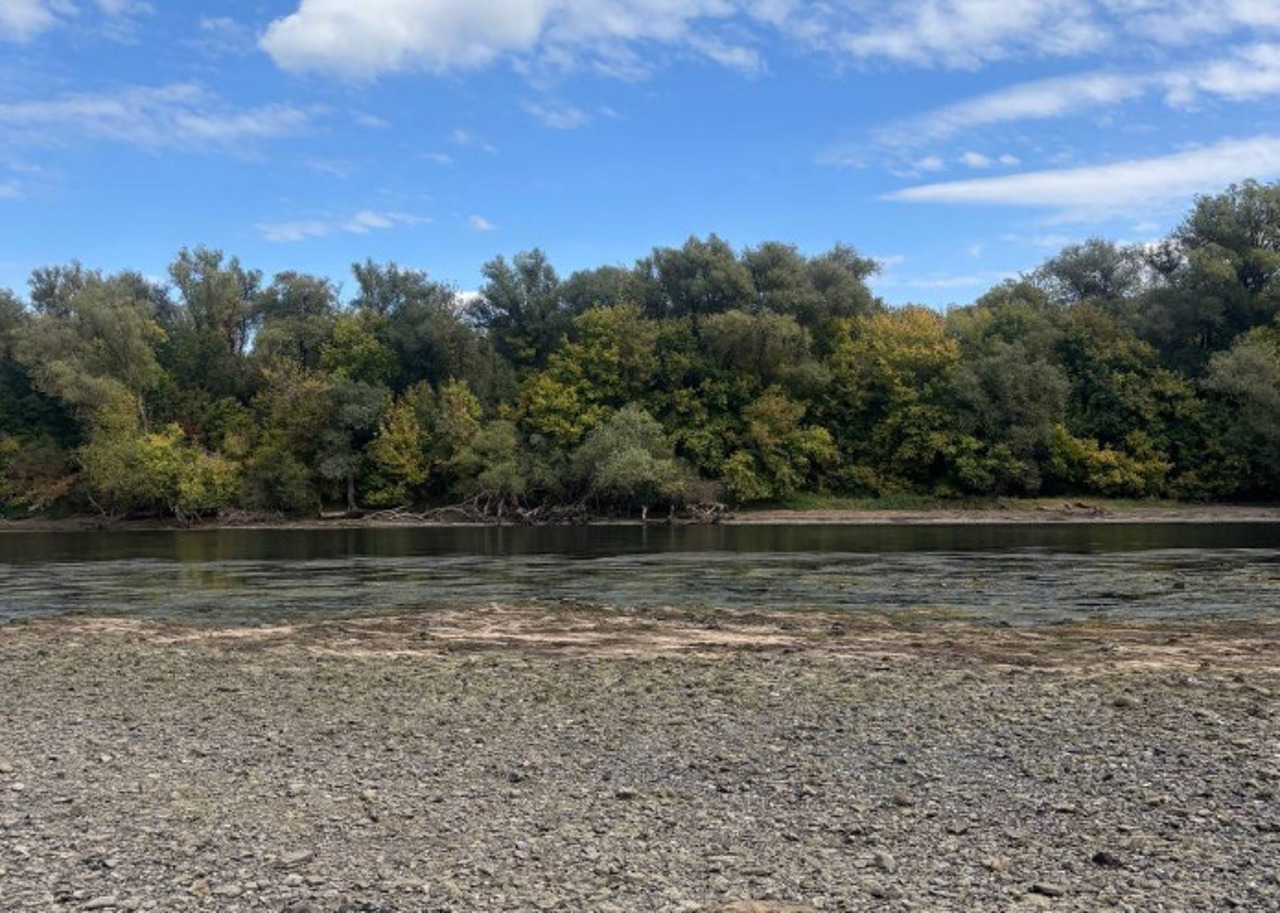
Moldova must overhaul its capital’s aging water infrastructure immediately, Environment Minister Gheorghe Hajder warned, as plummeting flows along the Dniester River threaten drinking supplies for Chisinau amid an intensifying regional drought.
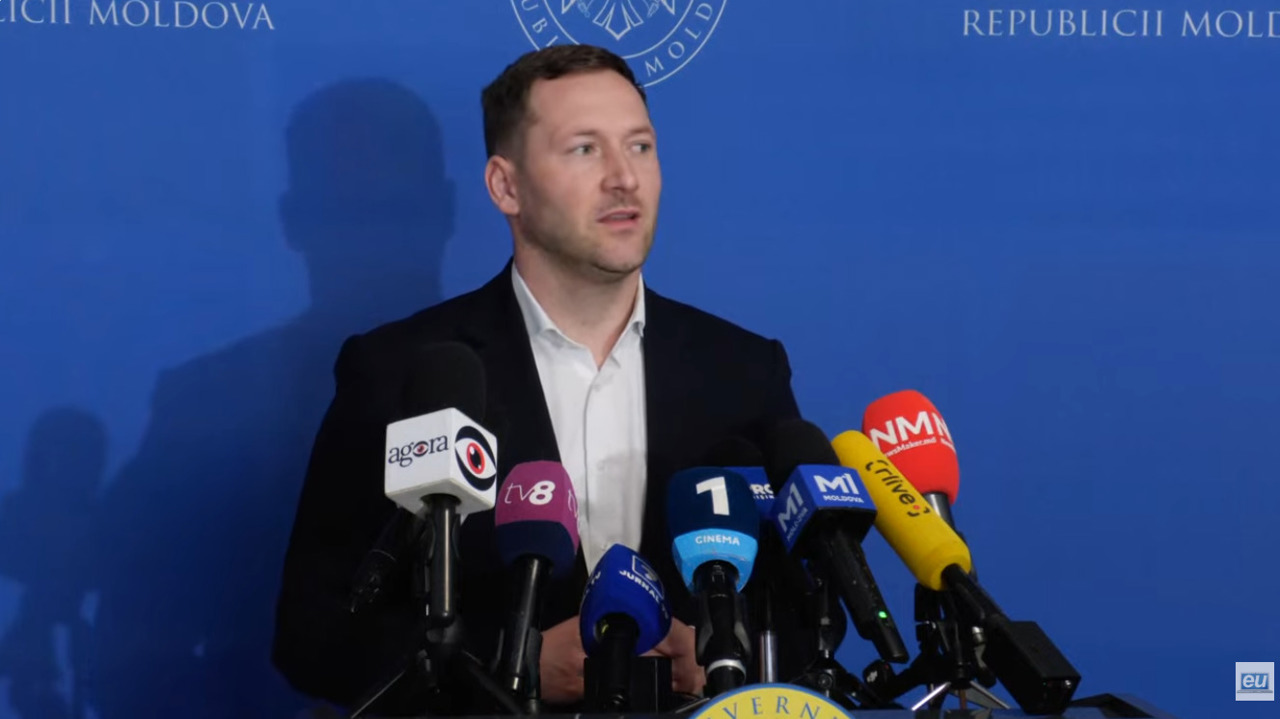
Speaking after a cabinet meeting on Wednesday, Hajder said the existing intake facility built in the 1960s is technologically obsolete and unequipped to pump water at historically depressed hydrological levels.
Critical river levels force structural overhaul
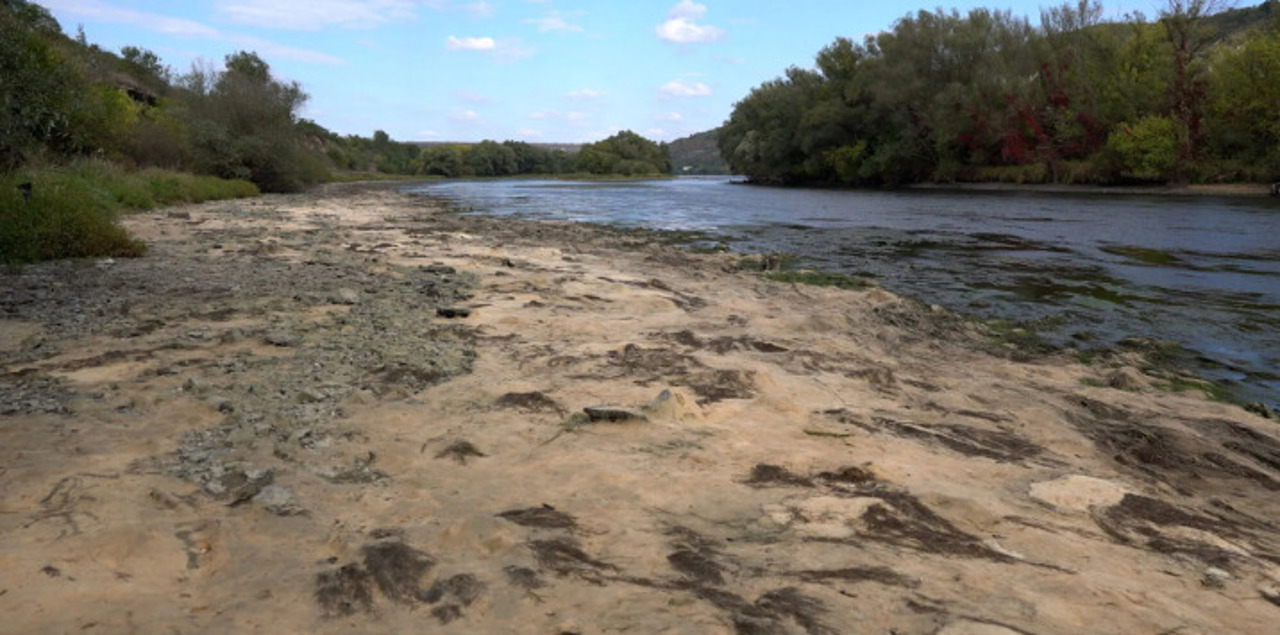
Prolonged drought has reduced water levels along both the Dniester and Prut rivers to critical thresholds, with flows dropping to historic lows of just 10% to 15% of seasonal norms.
Moldova enacted a 60-day nationwide state of emergency across its energy and water sectors on September 26, urging citizens and commercial operators to ration consumption.
“The trend, unfortunately, is quite grim, and we must get used to extracting water from much lower levels, such as 30 cubic meters per second,” said Hajder.
He added that technical teams are preparing contingency pumping systems to maintain city operations if the Dniester drops toward extreme lows in the coming days.
International funding secured for new intake facility
Authorities have assembled a €26.0 million (approx. 503.1 million MDL at the National Bank of Moldova reference rate) investment package to construct a modern intake facility within three years.
The project is backed by an €18.0 million grant (approx. 348.3 million MDL) from the German government, alongside €6.0 million (approx. 116.1 million MDL) from Moldova's central budget and €2.0 million (approx. 38.7 million MDL) from Chisinau City Hall.
“We need a new intake station that is far more flexible, adapted to the existing realities of the Dniester, and capable of drawing water from any depth,” said Hajder.
The Central Regional Development Agency is currently completing tender specifications to initiate international public procurement.
Regional diplomacy and reservoir depletion
Short-term contingency measures include installing supplemental emergency pumps and deploying underwater engineering works to artificially raise intake water levels.
Upstream pressures remain severe at the Dubasari reservoir, where outbound discharges of 50 cubic meters per second outpace incoming volumes, drawing down reservoir depth by 20 centimeters in a single week.
Hajder noted that Chisinau remains in close technical negotiations with Ukrainian authorities to maintain minimum environmental inflows, stressing that transboundary cooperation is vital as both countries navigate severe water security risks.
Translation by Iurie Tataru
RELATED COVERAGE