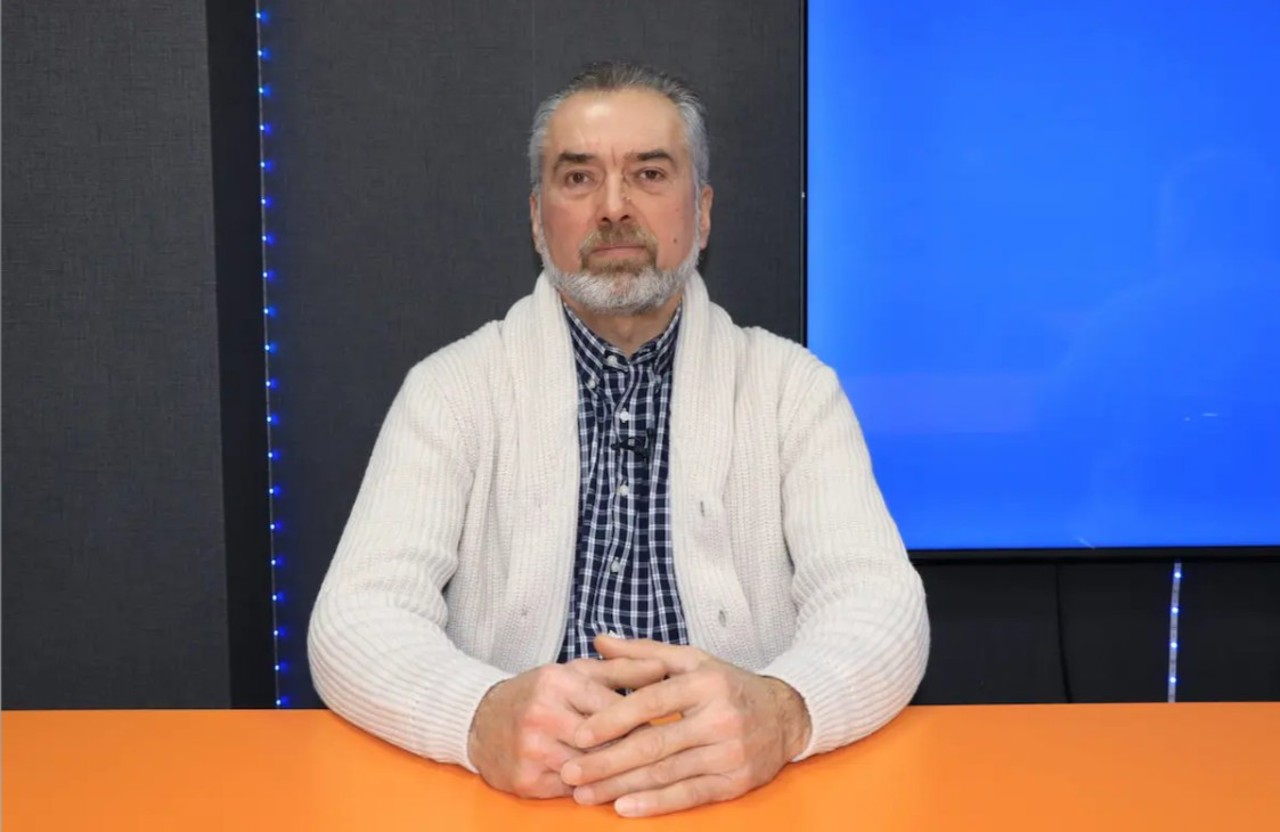
Expert about electronic waste: "We must recycle more"
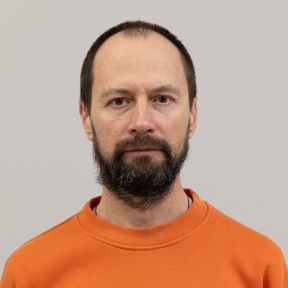
Electrical and electronic waste—ranging from phones and headphones to old refrigerators and televisions—must be collected separately and sent for recycling, warns environmental expert Ruslan Nercaș. He points out that batteries from small appliances pose a particular risk, as they can contain hazardous substances and cause fires.
In October—a month dedicated to responsible recycling—experts are urging people to properly dispose of items they are keeping unnecessarily in their homes and to utilize specialized collection points.
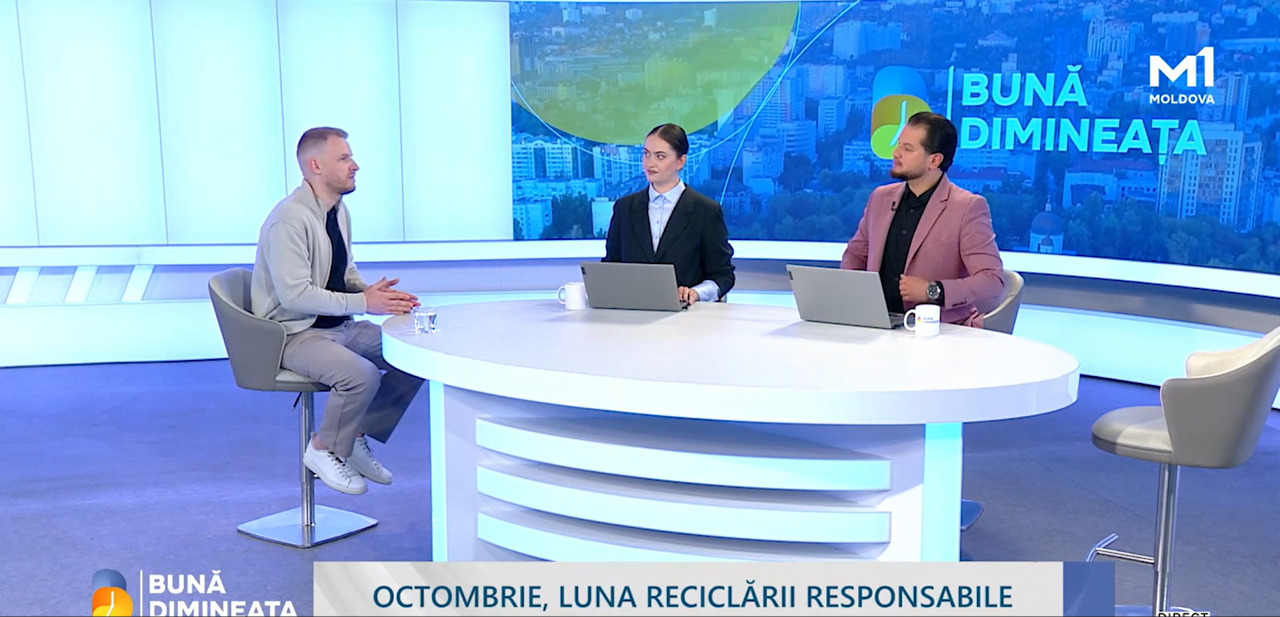
Ruslan Nercaș, an environmental expert, spoke on the Moldova 1 program "Bună Dimineața" (Good Morning) about the need for proper waste collection and the solutions available to the public. He noted that households frequently accumulate old chargers, phones, batteries, appliances, and other equipment, and people often do not know where to take them.
"It is very important—and we work on this every day—to develop and create infrastructure that is accessible to everyone; we want collection points to be easily reachable for the general public, civil servants, ordinary citizens, children, students—for everyone," stated Ruslan Nercaș.
The expert emphasized that recycling should not be viewed solely in terms of potential financial benefits. Collection and recycling systems exist for various categories of waste, including used tires, industrial oils, electrical and electronic equipment, batteries and accumulators, and end-of-life vehicles.
Tyres can be collected free of charge at specialised points or even directly from households. They are then handed over to authorised operators, who can transform them into materials for floor mats or paving tiles; tyres that cannot be recycled in this way can be used for energy recovery. "Now is the time for us to show that we can take action and drive change," the expert said, referring to extended producer responsibility and the development of the recycling industry in the Republic of Moldova.
Nercaș noted that, in nearly two years of operation, the ReGreen Association has gained over 2,000 members who import products subject to extended producer responsibility. At the same time, the organisation is working to expand collection infrastructure to localities outside Chișinău through partnerships with local public authorities.
Collection bins for equipment are being installed in villages, while specialised collection points and seasonal campaigns—planned to take place at least twice a year—are being prepared for tyres.
"The important thing is to start the trend, for people to understand that solutions exist and for us to provide them," Ruslan Nercaș explained.
Special attention is being paid to children and young people. The "ReGreen School" campaign was launched in October, with over 180 educational institutions across the Republic of Moldova—most of them outside Chișinău—already signed up. As part of the project, teachers will receive training and materials for environmental protection activities.
The goal is for students to eventually initiate and organise their own environmental campaigns and projects in their local communities.
"We want to build a civil society that protects the environment—one made up of local residents, children, and students," the expert stated. This year, the international "Fast Tech" campaign is drawing attention to small electronic items, such as batteries, rechargeable batteries, headphones, and other gadgets. According to Nercaș, these devices have become a major issue because of their widespread adoption.
The expert explained that, with small devices, the main problem lies in the battery inside.
"The problem isn't the device itself; the problem is the battery. [...] Batteries inside these devices are extremely dangerous—in fact, they pose the greatest risk," said Nercaș.
He warned that batteries contain hazardous elements and can cause fires when charged.
"They can cause fires and inflict significant damage on the population and the environment," the expert said.
In October, people become even more active in handing over old equipment. According to Nercaș, the organization receives numerous requests from both individuals and businesses wishing to responsibly dispose of refrigerators, televisions, and other appliances that have been stored in households for years.
For those without nearby special collection bins, an interactive map of collection points is available. Additionally, ReGreen operates four trucks and four vans that circulate throughout Chișinău. For bulky items, residents can submit a request to have the equipment collected free of charge—including pickup from upper floors—within a maximum of two working days. In more remote areas, collection may take longer, as the service waits for enough requests to accumulate in the same zone.
The expert believes that environmental education should begin within the family, noting that children can play a key role in changing adult behavior.
"I think we need to try to reach families through the children. I believe that is the best solution," Nercaș stated.
He noted that people are more likely to change their behavior once they understand the impact improper waste management can have on health and the environment.
Currently, the organization has set up collection points in approximately 15–18 residential complexes in Chișinău, and partnerships with homeowners' associations are expanding. "This concerns our health, the health of the place where we live, and the health of future generations," the expert said, referring to the need for proper waste management.
Textile waste is another issue. According to Nercaș, textiles represent a significant environmental challenge, and currently, there is only one operator in the Republic of Moldova with the capacity to process textile waste. At the same time, several organizations collect clothing that can still be reused.
However, the expert notes that no processing solution currently exists for clothing and textile materials that are no longer usable.
Nercaș also highlighted another point: clothes that can no longer be worn should not be given to others simply so the owners can get rid of them. Donations should reflect the items' actual usefulness.
In closing, the expert urged people not to throw recyclable waste into general household trash and to use existing collection options.