Radio Moldova experts: Defense investments are lacking, leaving airspace vulnerable

The Republic of Moldova remains vulnerable to security threats, and strengthening defense capabilities and cooperation with partner states are essential for protecting the country, experts state in the context of the security forum held in Chisinau. According to them, the country's role must be analyzed not only through the lens of its own security but also through the contribution it can make to the security of the entire region.
According to political analyst Ion Tăbârță, the Republic of Moldova can contribute to regional security by promoting stability in an area beset by multiple risks.
"The region we are in is a hotspot, presenting the greatest number of challenges to European security—and beyond. And yes, indeed, this security forum is discussing not only the security of the Republic of Moldova but also regional security in general, as well as the role the Republic of Moldova can play," Tăbârță stated on Radio Moldova’s program "Zi de Zi".
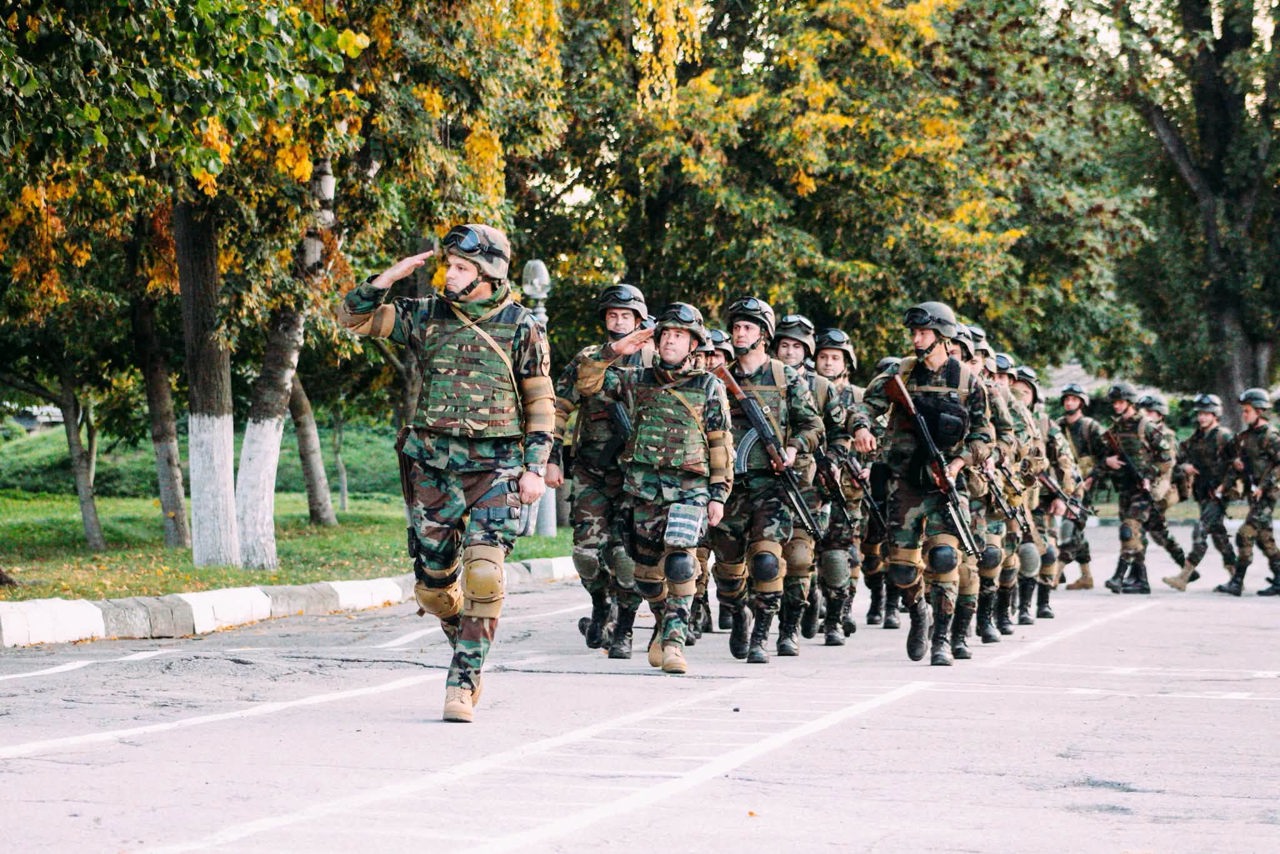
The expert says that the Republic of Moldova must avoid becoming a tool in the Russian Federation's geopolitical games and must strengthen its own defense capabilities. One major vulnerability concerns its airspace, which is being tested by an increasing number of unauthorized overflights.
"It is the duty of state institutions—involving actors from civil society and the media—to address this topic broadly within society and explain to people that strengthening our defense capabilities actually means protecting ourselves and enhancing our security; it certainly does not mean militarization," he noted.
Ion Tăbârță points out that the war in Ukraine has changed how people perceive military threats. Drones have become a key battlefield tool.
"If the Russian Federation decides that the Republic of Moldova should be attacked, our airspace represents our greatest vulnerability," the analyst said.
Defense investments fall short of needs.
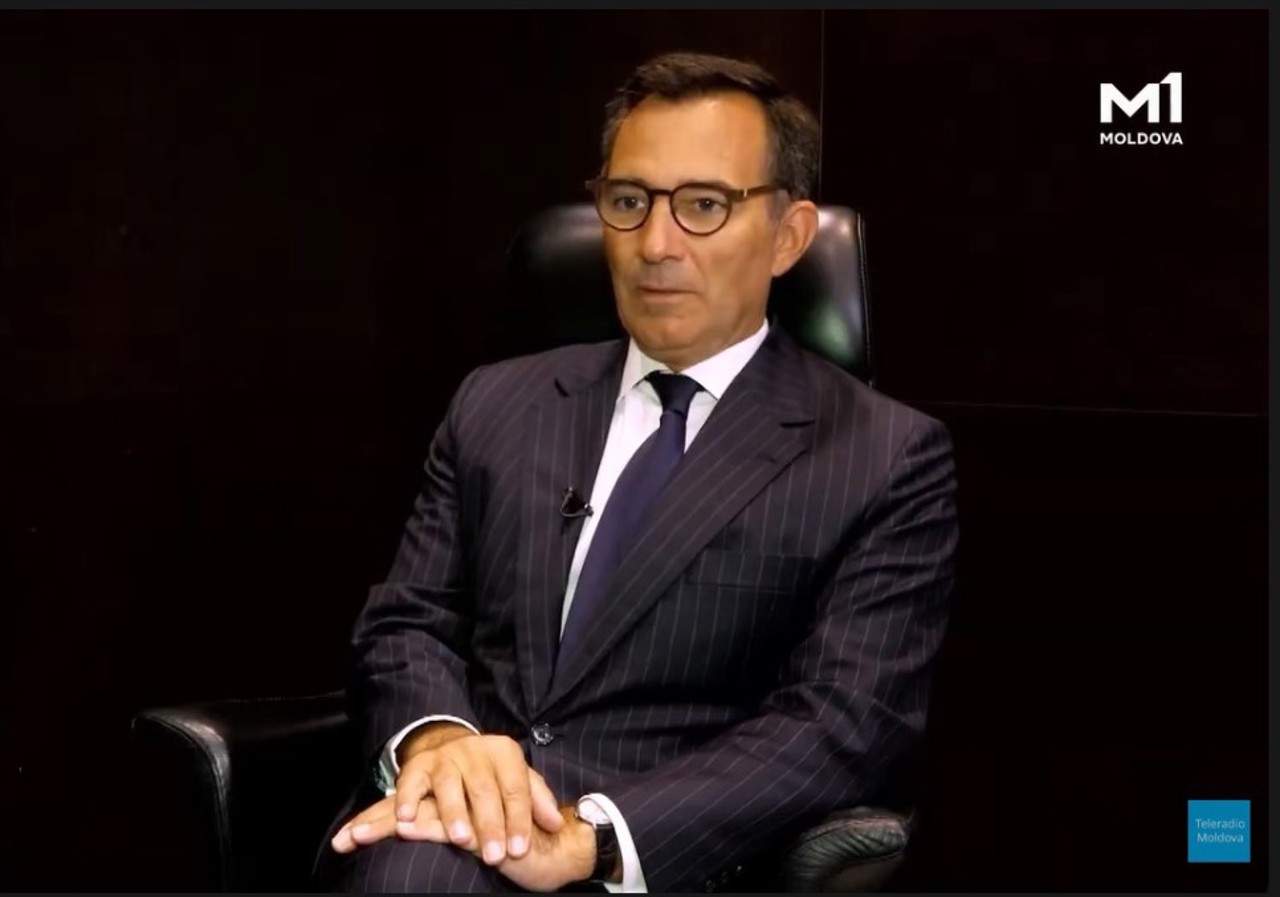
On the same program, former Defense Minister Valeriu Troienco noted that the level of investment in the defense sector is insufficient to mitigate identified vulnerabilities. Current threats are turning security into a "vital issue" for states in the region.
Troienco points out that, under current circumstances, neutrality can no longer serve as a sufficient security guarantee for a vulnerable state like the Republic of Moldova.
"Neutrality is an old, outdated concept that cannot guarantee the security of a state—especially one as vulnerable as the Republic of Moldova. It is a mere formality; we have an occupying army—a fact the European Court of Human Rights has established more than once. In practice, neutrality is largely a declarative concept," he said.
Another challenge mentioned is air defense. According to Troienco, building an effective system requires significant investment and time, as well as cooperation with nations that already possess advanced systems.
"I am pleased that the authorities, despite criticism, continue to focus on air defense," the former minister stated.
Heightened risks for the Republic of Moldova
Risks facing the Republic of Moldova are also being analyzed in light of the unfolding war in Ukraine. Retired Romanian Commander Sandu Valentin Mateiu assesses that, at present, there are no realistic grounds to end the conflict through negotiations and warns of potential escalation.
"At this moment, the Kremlin's objectives remain unchanged. Vladimir Putin clearly stated at Valdai that he continues to pursue control over Ukraine and the destruction of the state's sovereignty," the retired commander said.
At the same time, he notes, Ukrainians have taken on this grueling struggle—at the cost of their lives—precisely because they wish to remain a state and a nation.
"We are going to see a significant escalation, particularly behind the front lines, because Russia has failed to advance on the battlefield. Behind the lines, the Ukrainians are currently at a disadvantage—not so much due to Russia's technological edge (such as its drones and missiles) but rather because they lack interceptors, specifically Patriot anti-ballistic interceptors; consequently, they are being systematically struck by Russia," Sandu Valentin Mateiu explained.
He anticipates a "dreadful" winter—behind the lines, on the front, and across the region—given that the Russian Federation views European aid to Ukraine as the factor that "keeps them alive."
"And they are not wrong; that is indeed the case—without European aid, Ukraine cannot go on," Sandu Valentin Mateiu noted. Escalating tensions and the gradual abandonment of "red lines" heighten the risks facing the Republic of Moldova, particularly in the context of hybrid warfare.
"If this drags on, we must be prepared to face extraordinary situations—where we are subjected to aggression and are almost at a loss as to how to respond, precisely because it is a hybrid war," the commander added.
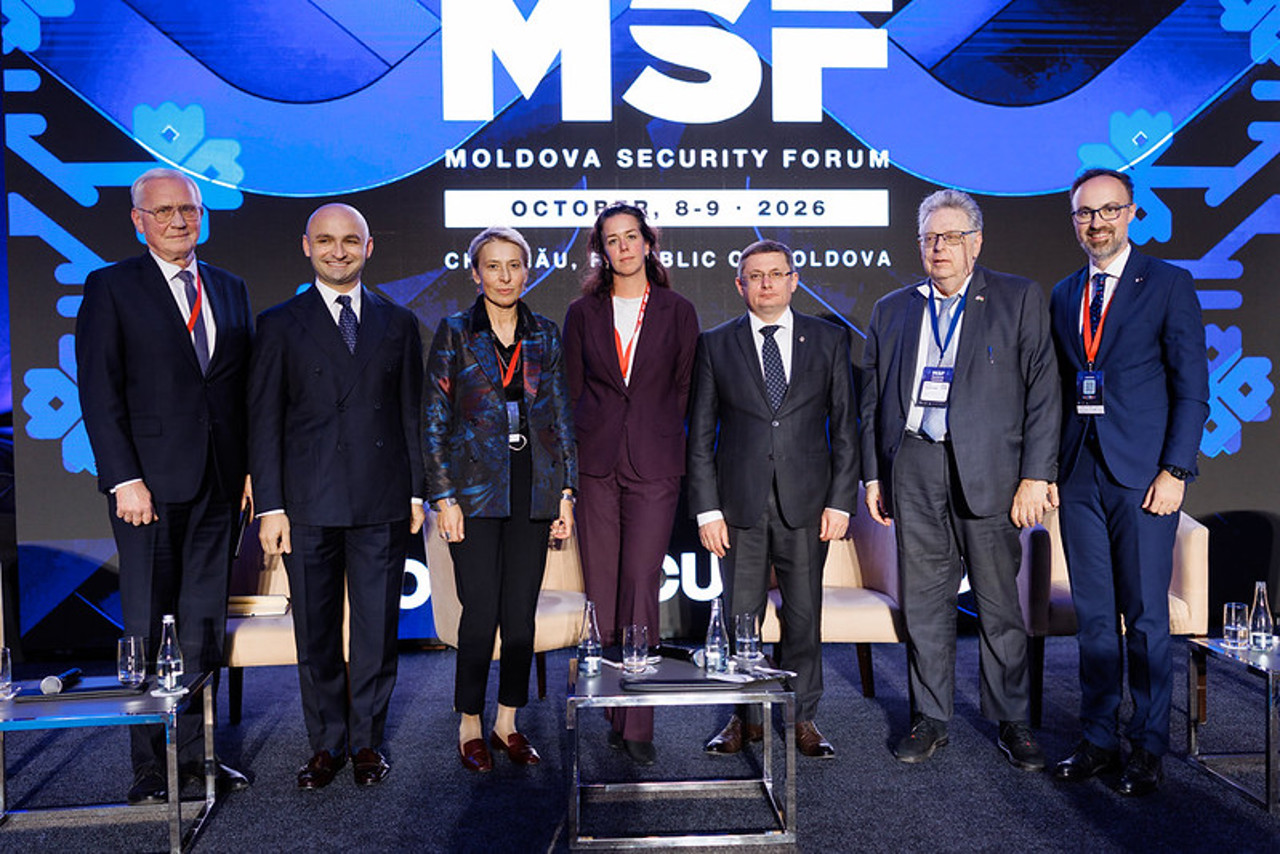
The Moldova Security Forum is an international dialogue platform dedicated to security challenges facing the Republic of Moldova, the Black Sea region, and Europe; it is organized by the Institute for European Policies and Reforms (IPRE) with the support of over 40 partners from Moldova, the European Union, and the United States.
The event's third edition, held this year on October 8 and 9, brings together nearly 100 speakers from more than 20 countries.
The agenda includes discussions on hybrid threats, the war in Ukraine, regional security, drone defense, and democratic resilience. This year's theme reflects how the Republic of Moldova strengthens democracy to contribute to both its own security and regional security.