"Defense is a priority": Igor Grosu announces two billion lei for security
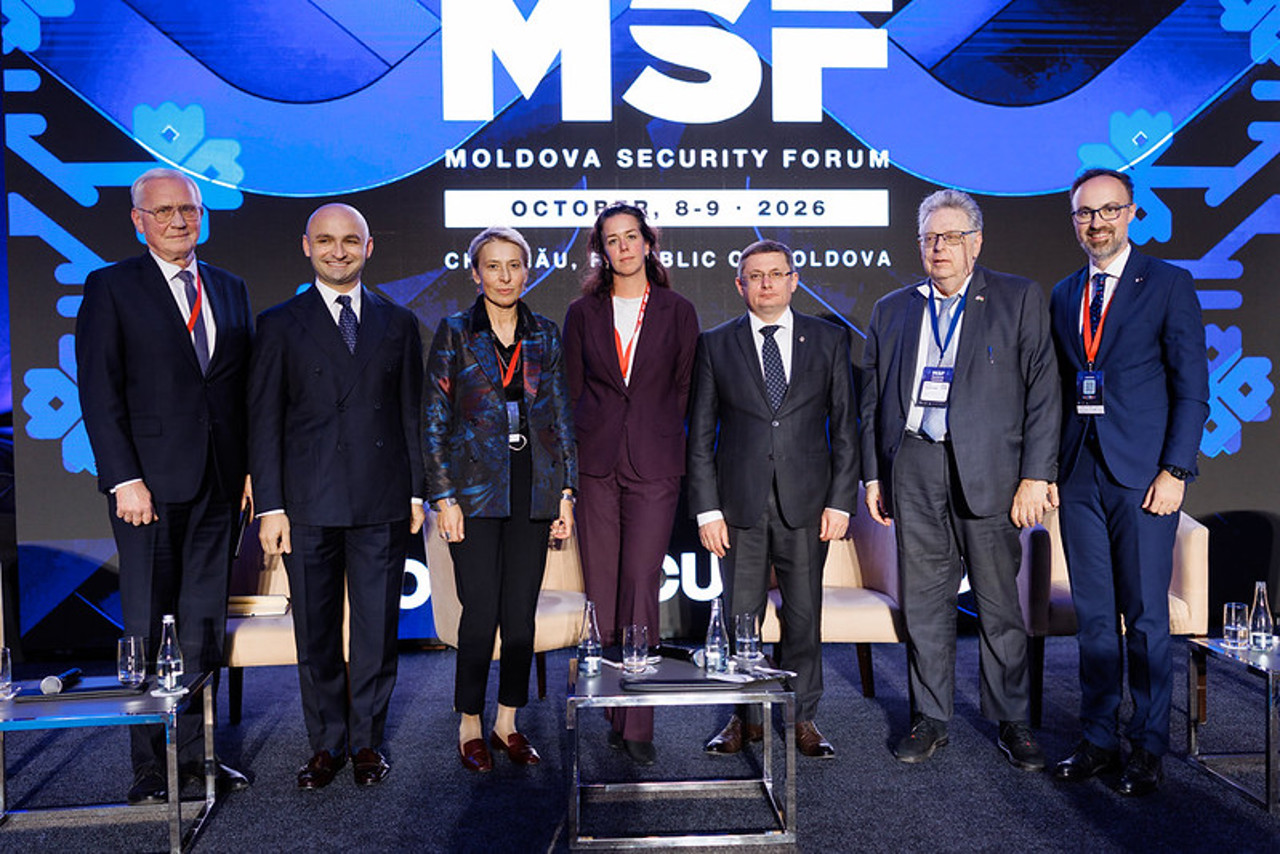
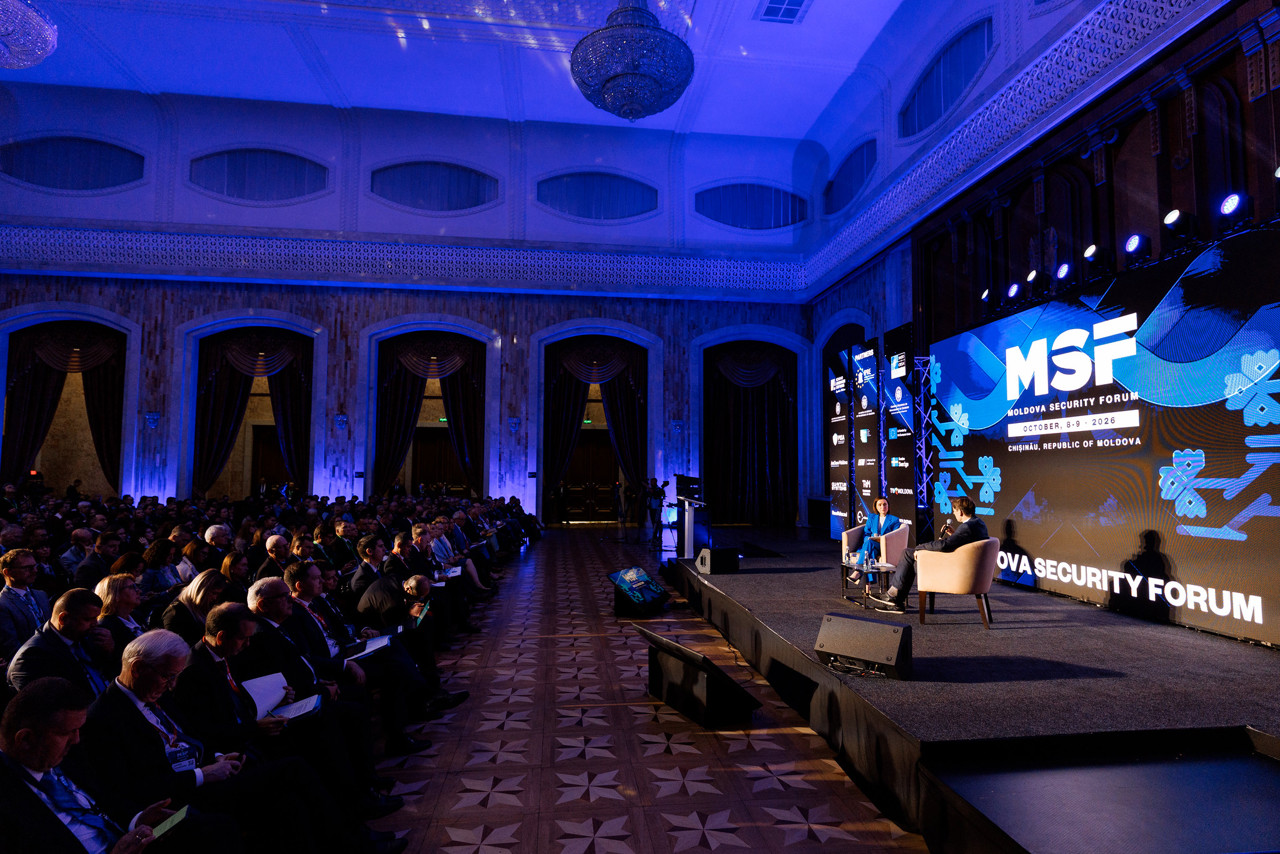
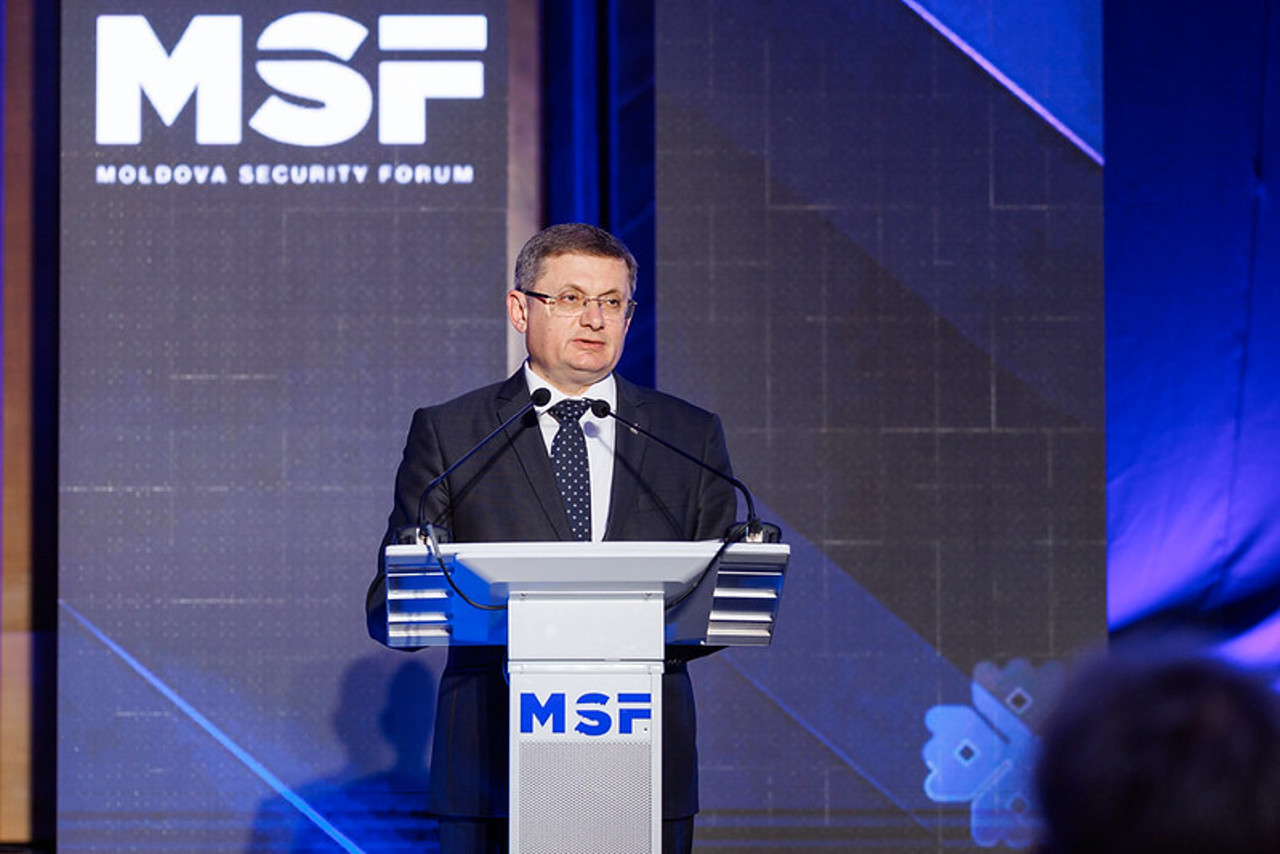
The Republic of Moldova has nearly doubled its defense budget over the past four years, rising from under 900 million lei in 2022 to nearly two billion lei today. At the same time, its neutral status does not hinder the strengthening of its defense capabilities, given that the war on its border poses real security risks. Parliament Speaker Igor Grosu made this statement during the third edition of the Moldova Security Forum 2026.
Building up defense capabilities is a long-term process
Military aggression in the region has profoundly altered the country's security situation, while repeated air strikes have exposed major protection challenges to which the state must provide clear answers.
"Since 2022, our airspace has been violated 88 times by missiles, drones, and debris from them. Fifty of these incidents occurred this year alone. Behind this figure is a simple question people are asking: Can the state protect us? And we must answer that question honestly," stated Parliament Speaker Igor Grosu.
The Speaker noted that rectifying deficiencies accumulated over three decades of underfunding is a complex process requiring resources, modern equipment, and time.
"We cannot ensure the protection of our skies overnight. Nor can we make up in four years for 30 years of severe underfunding in the defense sector. Airspace defense is not something you can simply buy, plug in, switch on, and consider the problem solved. It requires radars, equipment, and personnel training," the Speaker explained.
Defense budget of two billion lei
To address these challenges, the Government has substantially increased the financial resources allocated to the defense sector, with the first concrete results already visible. "In 2022, national defense spending was under 900 million lei. Yet this year, we have invested nearly two billion lei. Defense is no longer treated as a secondary issue; instead, it is recognized as one of the state's most important responsibilities, and we can already see what this investment means in practice," noted Igor Grosu.
Neutrality does not preclude rearmament
Speaking from the forum’s podium, the MP also discussed the country's significant acquisitions in recent years. The modernization of airspace monitoring capabilities began with the support of Western partners, with new equipment set to bolster the defense system.
"In 2023, the Republic of Moldova acquired its first modern airspace surveillance radar, funded with the help of the European Union, and a second surveillance system will be added this year. On August 27, marking Independence Day, the citizens of the Republic of Moldova were able to see some of these changes firsthand," Grosu stated.
Support from the European Union and new bilateral partnerships signed with NATO member states play a pivotal role in underpinning defense reforms in Chișinău. The official emphasized that neutrality does not preclude the state's right and obligation to protect its citizens and its democratic path.
"It is true that we are a neutral country, but neutrality cannot mean isolation, and it certainly cannot mean that the Republic of Moldova should remain incapable of defending itself. Our task now is to build a Republic of Moldova capable of defending its neutrality, its sovereignty, and the European future chosen by its citizens," Igor Grosu concluded.
War can be prevented through deterrence
Addressing the continent's new security challenges, Latvian diplomat Andris Teikmanis explained that the nature of modern conflicts has shifted, necessitating a firm approach rooted in unity and deterrence.
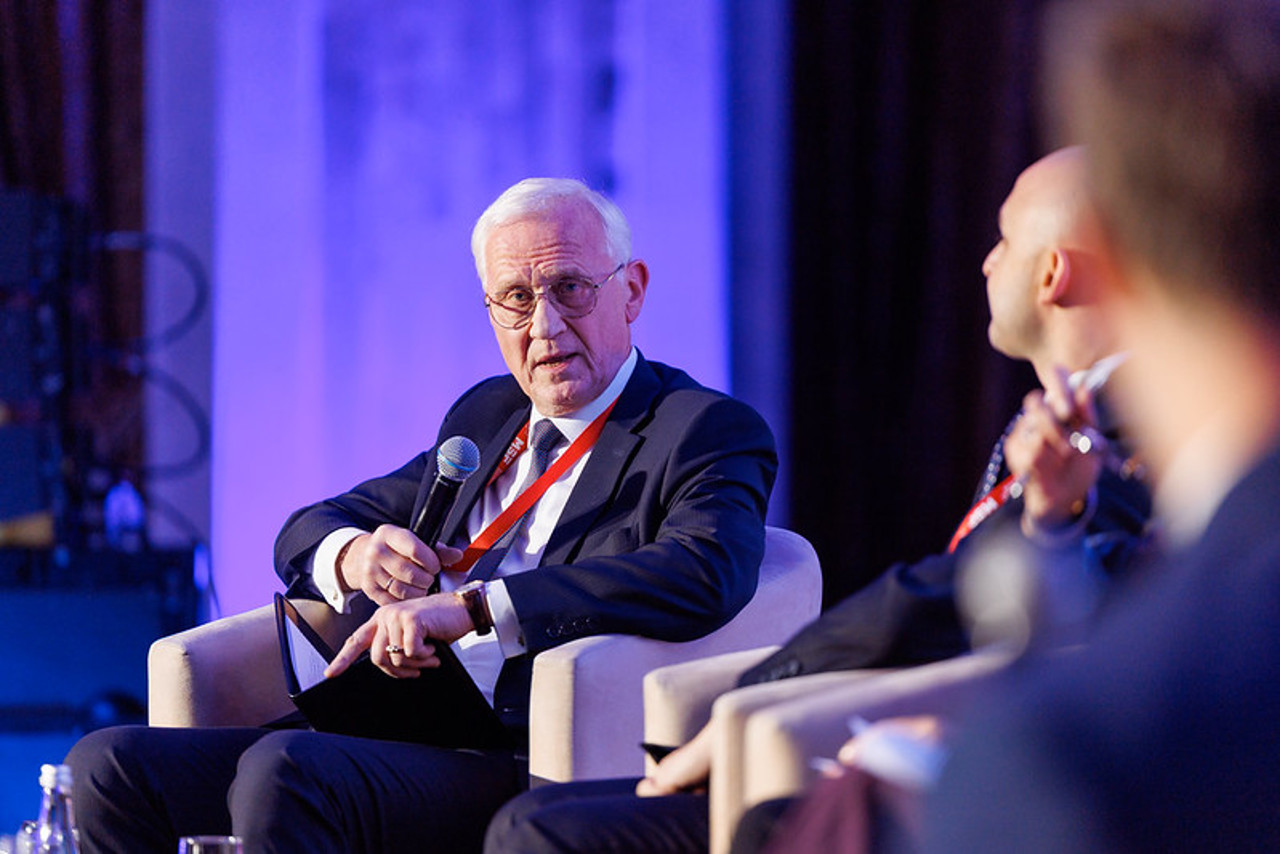
"Over the past few decades, Europe has witnessed extraordinary change. Political geography and the security architecture have been transformed. Amidst these shifts, we ask ourselves: have we returned to a 'Cold War 2.0'? Winston Churchill articulated how to avoid a hot war—by focusing on strengths and employing deterrence," stated Andris Teikmanis, a board member of the Latvian Diplomatic Association and former Chief of Staff to the President of Latvia.
Latvia will reach 5% of GDP for defense
Latvia’s experience demonstrates that Russia’s aggressive actions have prompted authorities to strengthen national defense by substantially increasing the military budget.
"Russia has actually done the most to help us develop our military infrastructure—specifically through a foreign policy that fosters aggression and expansion. The deployment of new units to the western borders, various attacks—including attempts to set fire to facilities in Latvia and other European countries—and acts of sabotage have all led the Latvian Government and Parliament to declare security the number one priority," the official noted.
Consequently, the defense budget has risen to 4.91% of GDP, amounting to €2.16 billion. Latvia plans to reach the 5% mark next year. Furthermore, the government intends to invest an additional €10 billion in capability enhancements—such as HIMARS missile systems and other assets—to "bring to life the slogan that we will defend every inch of our land," concluded Andris Teikmanis.
Russia analyzes vulnerabilities first, then attacks
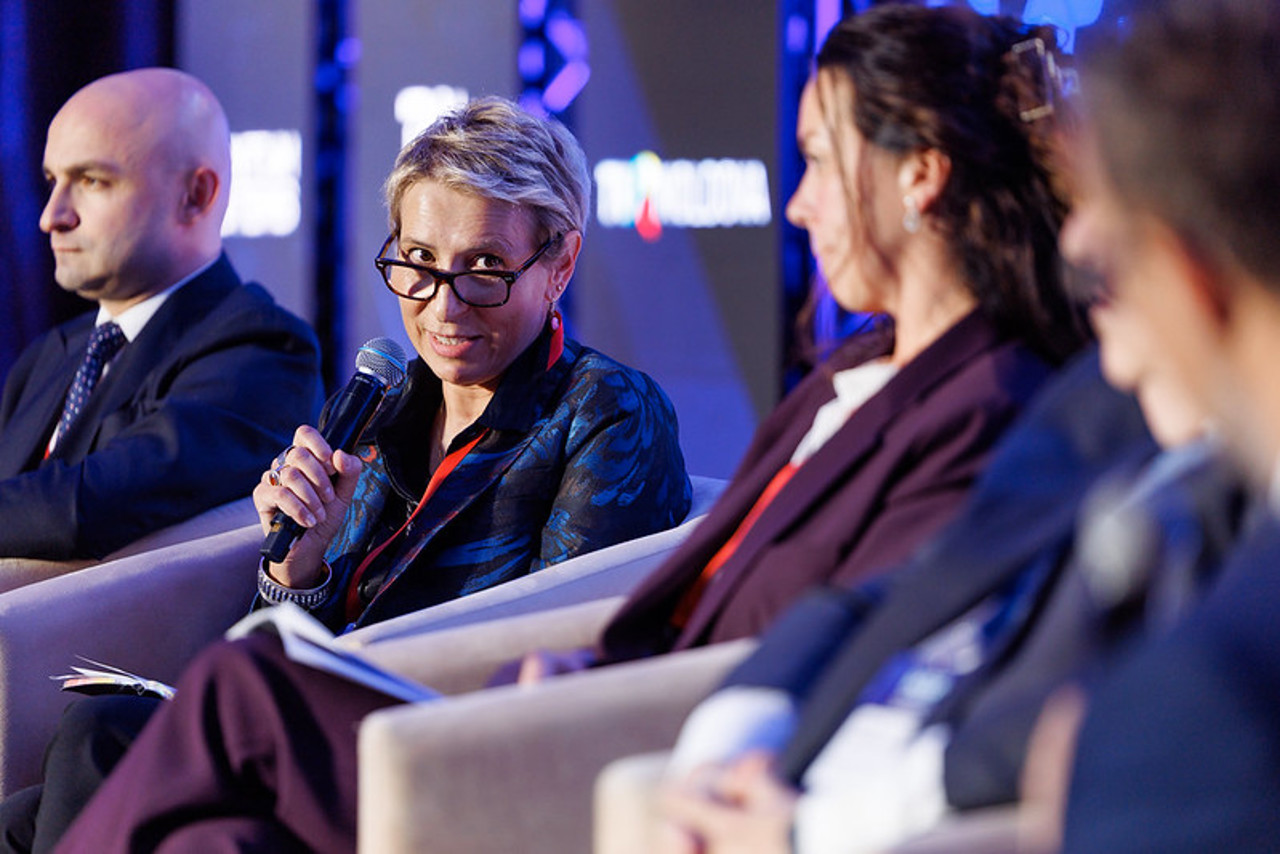
The representative from Georgia highlighted the similar paths taken by both countries, which have historically been affected by the presence of Russian troops on their soil and the constant pressure of hybrid warfare. "As for Moldova and Georgia, we indeed share much in common: Russian troops on our territories against our will and the hybrid war waged against our countries ever since we gained independence. And I believe it is important to understand that defense is not just about armies. It is not just about money," said Ekaterine Metreveli, Executive Director of the Georgian Foundation for Strategic and International Studies.
Recalling the 2008 NATO summit, Metreveli noted that political guarantees unaccompanied by concrete security measures created opportunities for Russian military aggression on Georgian territory in August of that same year.
"2008 was a decisive moment. At the NATO Summit in Bucharest, the EU promised Georgia and Ukraine membership, but it offered no roadmap. And a few months later, Russian tanks entered Georgia," said Ekaterine Metreveli.
She warned that the Kremlin's strategies rely on a careful analysis of a state's internal vulnerabilities in order to undermine social cohesion and public support for defense.
"It took some time for Europe to learn this lesson and for budgets to increase. Yet, behind every budget increase lies a societal concern regarding the contributions that can be made to defense capabilities. What Russia does is thoroughly study each country's situation and attempt to amplify and exploit its vulnerabilities," Metreveli noted.
The Moldova Security Forum is an international dialogue platform dedicated to security challenges facing the Republic of Moldova, the Black Sea region, and Europe; it is organized by the Institute for European Policies and Reforms (IPRE) with the support of over 40 partners from the Republic of Moldova, the European Union, and the United States.
The event's third edition, held this year on October 8 and 9, brings together nearly 100 speakers from more than 20 countries. The agenda includes discussions on hybrid threats, the war in Ukraine, regional security, drone defense, and democratic resilience.
This year's theme reflects how the Republic of Moldova strengthens democracy to contribute to both its own security and regional security.