Stopfals.md debunks Russian gas and price narratives in Moldova
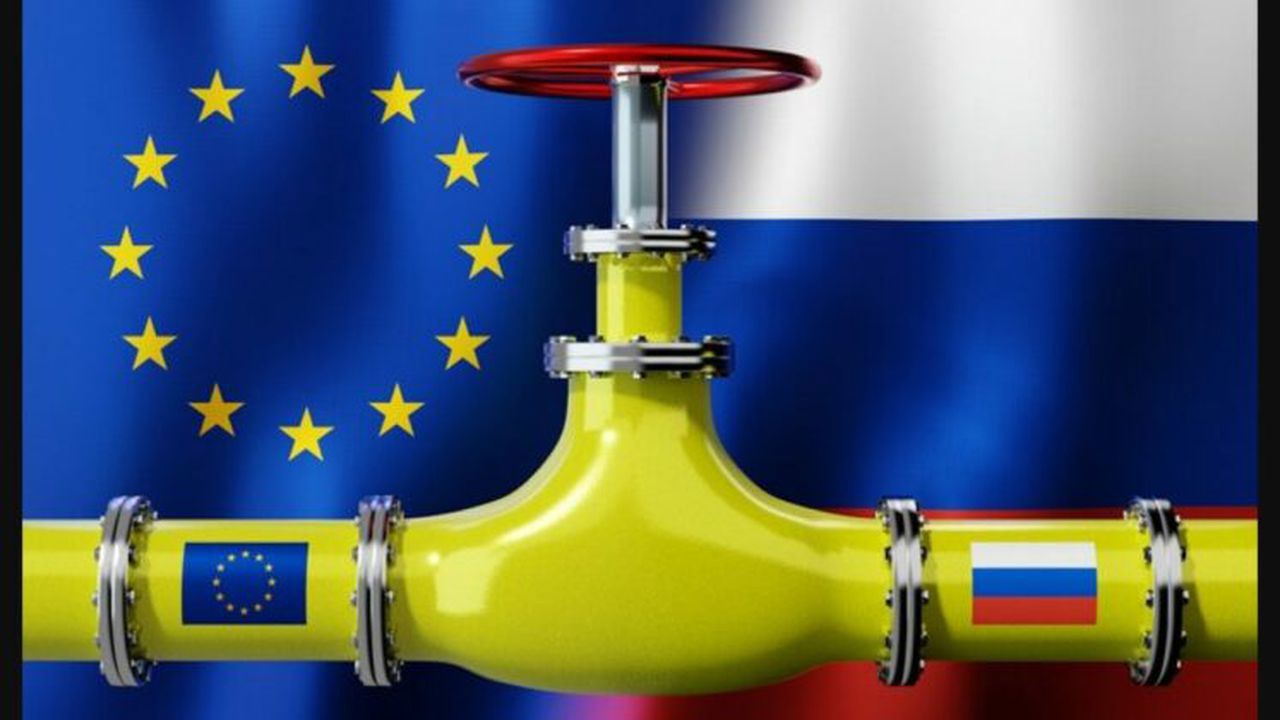
Russian gas imports into the European Union rose slightly in 2026; however, this increase is temporary and comes against the backdrop of Russia's gas phase-out. According to an analysis published by Stopfals.md, Russia's share of EU gas imports has dropped from approximately 45% in 2021 to around 12%, and the European Union has already adopted a timeline for completely eliminating Russian imports. The analysis further indicates that the Republic of Moldova does not purchase Russian gas through intermediaries and that the lower price in Ukraine is attributable to domestic production and a special regulatory mechanism.
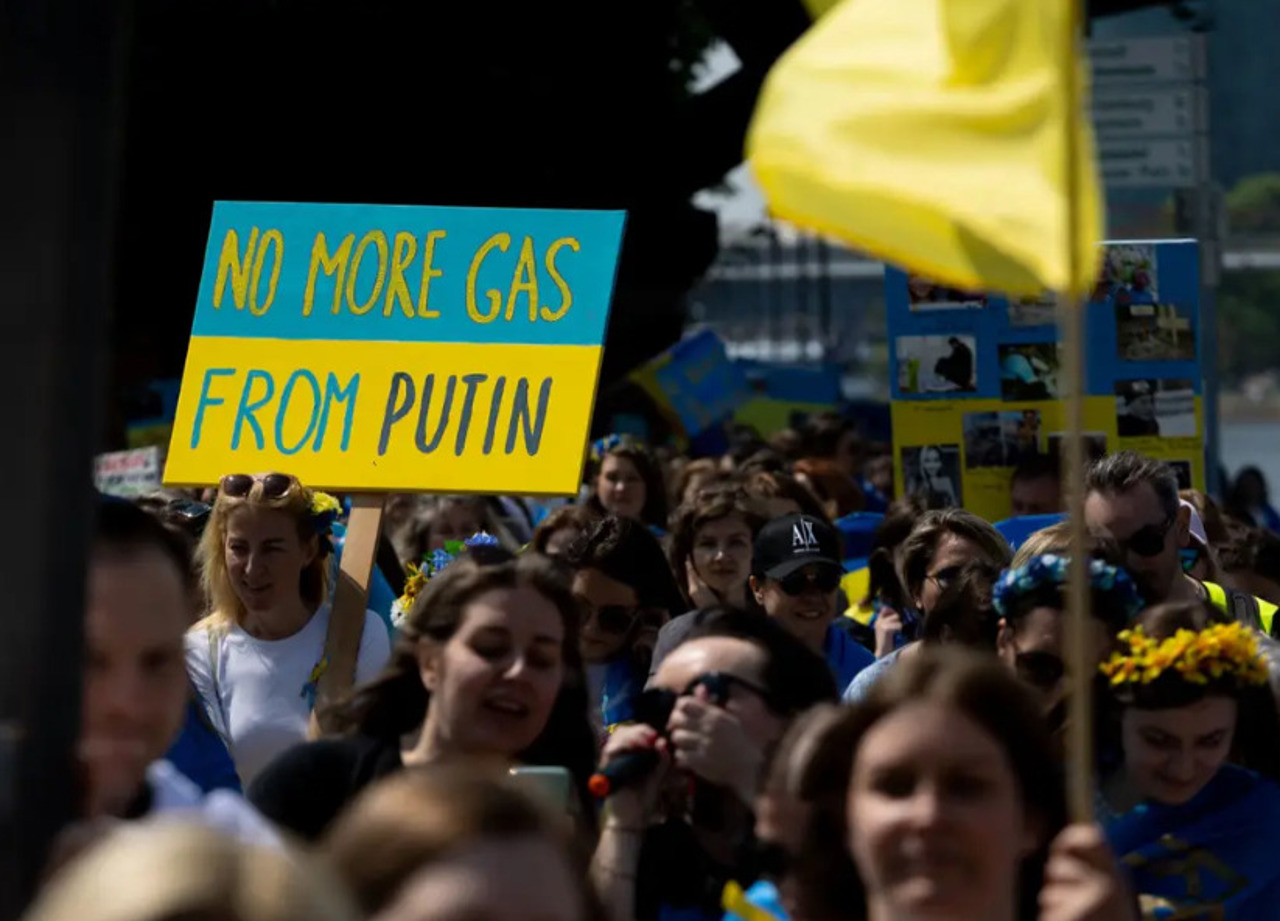
In 2021, prior to the full-scale Russian invasion of Ukraine, the European Union imported approximately 152 billion cubic meters of Russian gas annually. At that time, Russia was the bloc's primary external supplier, accounting for a share of about 45%.
Subsequently, European states reduced Russian supplies and diversified their sources. Data cited in the analysis show that Russian gas imports fell to nearly 80 billion cubic meters in 2022 and to around 36 billion in 2025.
"Thus, in 2025, the volume of imports had dropped more than fourfold compared to 2021, and Russia no longer holds the dominant position it once had in supplying the European market," the Stopfals.md analysis states.
However, Russian deliveries to the EU increased in 2026. Pipeline-transported Russian gas saw an increase of approximately 7% compared to the same period the previous year, while imports of Russian liquefied natural gas rose by about 11%.
Stopfals.md emphasizes, however, that this trend must be viewed in the context of European restrictions set to come fully into force. Some imports continue under long-term contracts, and companies have brought forward certain deliveries ahead of the implementation of stricter restrictions.
In January 2026, the European Union adopted a regulation phasing out natural gas imports from Russia. According to the European timeline, Russian LNG imports are set to be phased out by the end of 2026, and pipeline gas imports by November 2027 at the latest, with transitional periods for certain existing contracts.
"The increased volume of Russian gas entering the European Union in the first part of 2026 does not represent a return to dependence on Moscow," the analysis notes. This rise is attributed to the transition period before the phase-out of Russian imports and to deliveries made ahead of stricter restrictions coming into force.
At the same time, the EU has diversified its supply sources. Norway has become the Union's primary gas supplier, and LNG imports from the United States have risen significantly. Between 2021 and 2025, gas imports from the US grew from approximately 18.9 to 75.6 billion cubic meters, while deliveries from Norway increased from 79.5 to 89.3 billion cubic meters.
The analysis also highlights another misconception regarding the destination of Russian gas. The fact that Russian LNG is offloaded at a European port does not automatically mean it is consumed in that specific country. The European market is interconnected, and gas can subsequently be traded and transported across borders.
The Republic of Moldova does not buy Russian gas through intermediaries
Stopfals.md also refutes the claim that the Republic of Moldova continues to purchase Russian gas through intermediaries at a much higher price. According to the analysis, the Republic of Moldova is currently supplied via regional infrastructure interconnected with the European market. Energocom stated to Stopfals.md that there are no operational routes in the region allowing for the delivery of Russian gas outside the EU regulatory framework and applicable transit conditions.
For its part, the Ministry of Energy rejected allegations regarding the continued purchase of Russian gas.
"There simply isn't enough Russian gas reaching Moldova from European countries, and these figures contradict the manipulations of pro-Russian parties in Moldova," the Ministry of Energy stated, as cited by Stopfals.md.
The Republic of Moldova does not have the most expensive gas in Europe
Another claim analyzed by Stopfals.md is that household consumers in the Republic of Moldova pay the highest gas tariff in Europe.
The analysis indicates that available comparable data do not support this claim. The price of gas in the Republic of Moldova is primarily influenced by the cost of purchasing it on regional and European markets.
Our country lacks significant domestic natural gas resources and must import the supplies needed for consumption on the right bank of the Nistru. Consequently, developments in European and regional markets directly impact the final price.
ANRE explained that the regulated price increase, implemented on September 1, 2026, was driven primarily by rising gas procurement costs—influenced by European market quotes and volatility, the approaching cold season, the need to replenish stocks, and competition for LNG volumes. Added to this are the costs of delivering the gas to the consumer.
Why gas is cheaper in Ukraine
Stopfals.md also analyzes the comparison between prices in the Republic of Moldova and those in Ukraine. In Ukraine, the rate for household consumers is 7.96 hryvnias per cubic meter, equivalent to approximately 3.2 Moldovan lei.
However, the analysis shows that the two situations cannot be directly compared. Ukraine produces a significant portion of the gas it consumes—between 80% and 85%. The neighboring country produced approximately 17 billion cubic meters and imported 4.6 billion cubic meters.
In contrast, the Republic of Moldova lacks significant natural gas reserves and relies entirely on imports.
"Conversely, the Republic of Moldova has no natural gas reserves and is 100% dependent on imports," states the Stopfals.md analysis. Energocom procures gas from international markets at exchange prices that are volatile and influenced by the geopolitical context.
Another factor is the special regulatory mechanism Ukraine has applied due to the war. The Ukrainian Parliament imposed a moratorium on raising utility rates, and the price of gas for households was kept at the level set in 2022.
"The rate of 7.96 hryvnias/m³ does not reflect the current international market price of gas or the full cost of supply. It is a regulated rate set within an exceptional context," the analysis explains. In conclusion, Stopfals.md clarifies that the temporary increase in Russian gas imports into the EU in 2026 does not signal a return to Europe's dependence on Moscow. Russian imports stand at less than a quarter of 2021 levels, and Russia's share of European imports has dropped from 45% to approximately 12%.
"Yes, Europe has recently purchased somewhat more Russian liquefied natural gas. However, at the same time, Russian imports remain at less than a quarter of 2021 levels, Russia's share has fallen from 45% to around 12%, and the EU has already adopted a legal timeline for the complete phase-out of these imports."
The analysis also notes that the Republic of Moldova did not voluntarily give up Russian gas. According to Stopfals.md, Gazprom breached contractual terms in the autumn of 2022 and sharply cut supplies, prompting Chișinău to seek gas on international markets.