Soviet terror survivor recalls family exile from Bessarabia
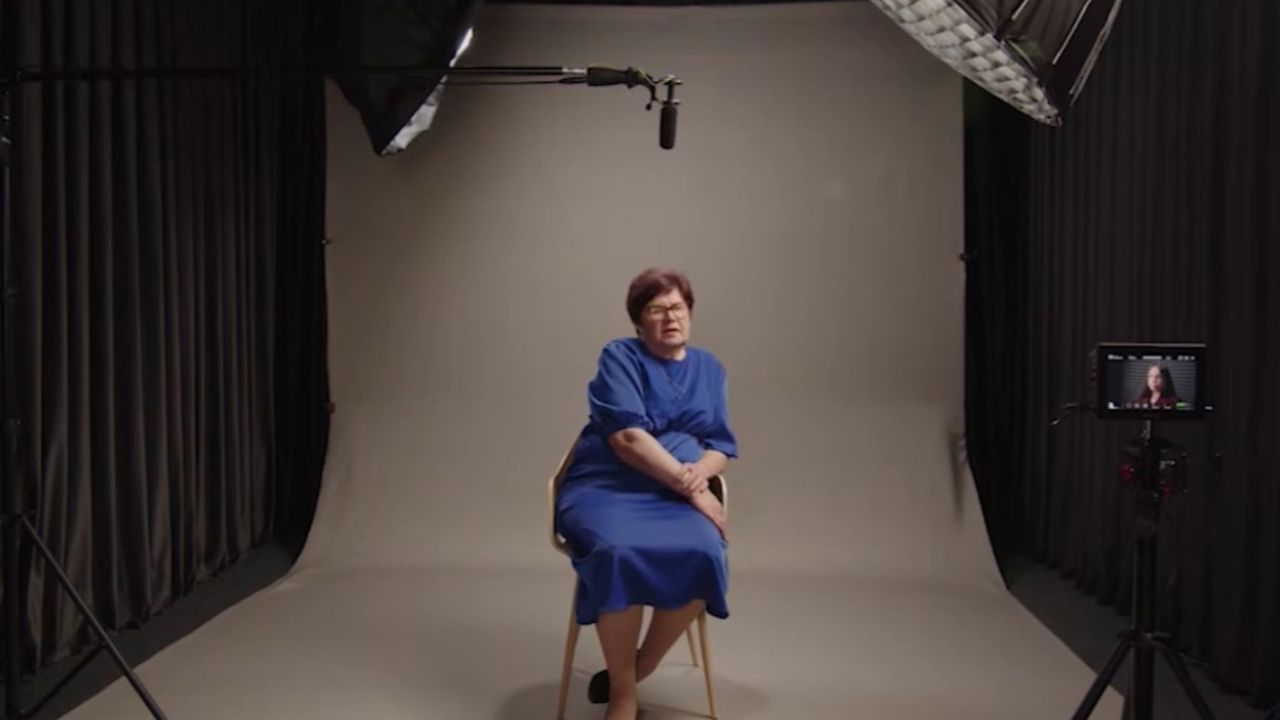
Marcela Ciubotaru survived two separate Soviet deportation waves before turning two years old, enduring livestock wagons, childhood famine in Kazakhstan, and decades of state-enforced fear before regaining freedom in her homeland.
Now 78, Ciubotaru shared her family's ordeal on public television Moldova 1's documentary series Memory Compass. Her grandfather, Ion Cebanu, a respected community leader and former mayor of Ciuciuleni in Hâncești district, was seized in June 1941 during Moscow's initial mass sweep of Bessarabia. Cebanu had refused to flee across the border into Romania, insisting he had harmed no one and had nothing to fear.
Brutal separation and freight train convoys
Soviet troops surrounded the village at dawn, giving families mere minutes to gather belongings before tearing relatives apart. Over 400 residents were deported from Ciuciuleni alone during that first operation.
“My grandmother leapt from the cart to embrace him, but a soldier struck her in the chest with his rifle butt and shoved her away,” Ciubotaru said. “That was how they were torn apart.”
Men were separated from women and children at the railway stations, stripped of warm clothing, and routed to Siberian labor camps. Convoys carrying women and young children were dispatched to the arid steppes of Kazakhstan under horrific conditions marked by thirst, rotten food, and disease.
“They mocked those begging for water, and dead bodies and dying children were thrown out through the train windows,” Ciubotaru said. “The entire path toward Kazakhstan and Siberia is strewn with the bones of deportees.”
Torn from her father in 1949
The family’s persecution resumed eight years later. Ciubotaru was born in 1948 after her mother married a teacher from Lozova. In July 1949, when Marcela was just 22 months old, Soviet authorities detained her pregnant mother and deported them again during Operation Yug.
Her father spent days circling the Chișinău detention facility desperate for news of his wife and infant daughter. Granted a distant glimpse through security cordons, an armed guard threatened to shoot him on the spot when he attempted to step forward. The trauma caused the toddler to stop speaking entirely until the convoy arrived in Kazakhstan.
Her father eventually secured clearance to join them in exile, laboring relentlessly under severe deprivation to keep the family alive.
Social isolation and forced erasure of identity
Exile brought systematic marginalization. At local preschool facilities, Soviet administrators excluded Ciubotaru from artistic rehearsals and performances, leaving her in an isolation room with a caretaker while other children sang.
“I did not even know what butter and milk tasted like until we returned home,” she said.
The family returned to Soviet Moldavia in 1956, but institutional persecution persisted. Former deportees faced pervasive surveillance and workplace discrimination, forcing parents to hide their past from their children. When enrolling in university years later, her mother strictly warned her to conceal their deportation history on official security vetting questionnaires to avoid expulsion.
Beyond deportations and engineered famines, Ciubotaru emphasized that Soviet authorities actively worked to extinguish native Romanian traditions, banning local folk dances, holiday carols, and customary cultural symbols like the Mărțișor.
“We were barred from our authentic history and handed fabricated values instead,” she said. “Freedom means being able to speak your mother tongue without fear, express your thoughts openly, and live with dignity. There is nowhere better than home.”
Translation by Iurie Tataru
RELATED COVERAGE