Sandu says Romania union rests with voters as EU path remains key
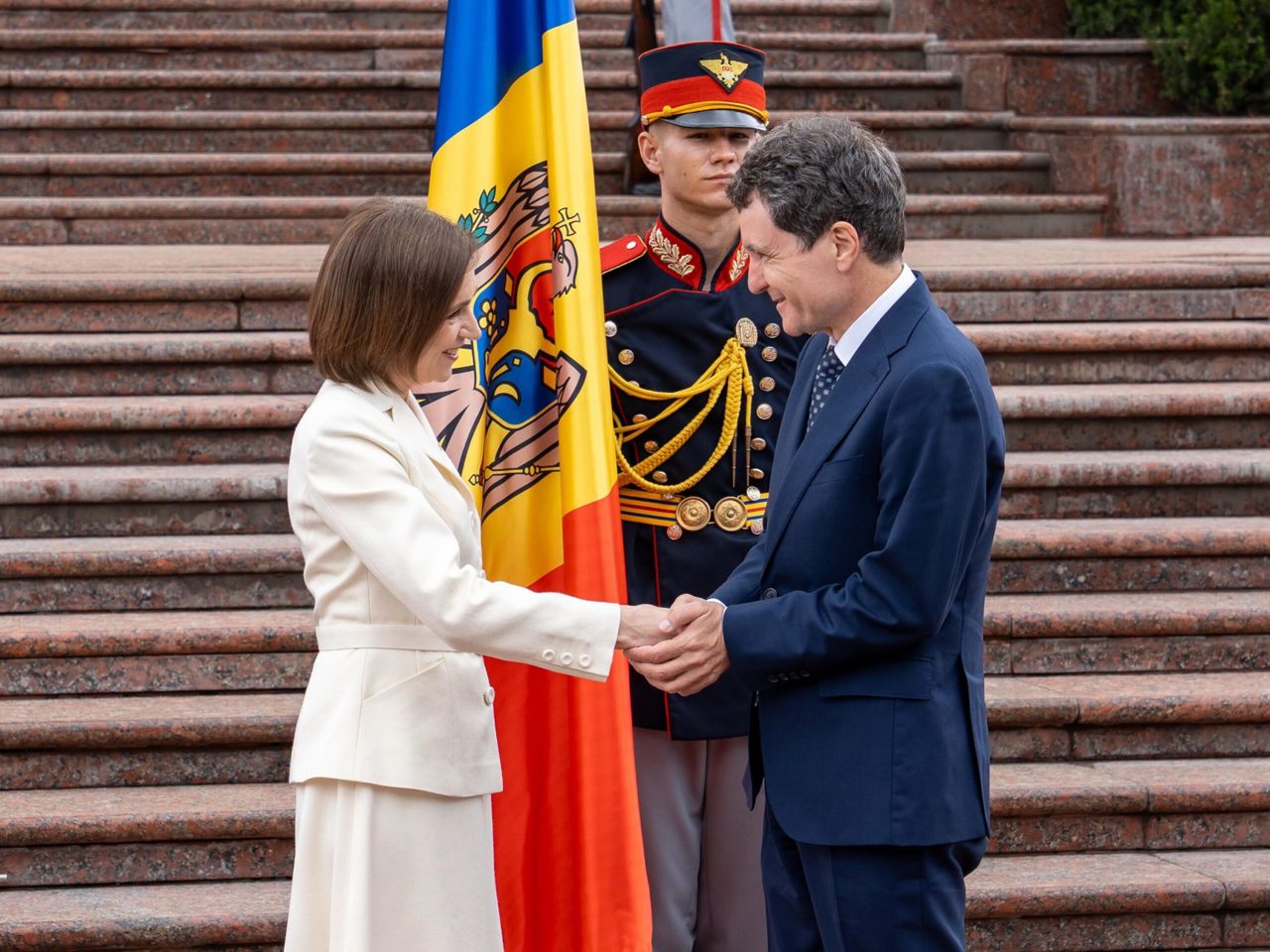
Moldovan citizens alone must decide any prospective unification with Romania, President Maia Sandu said, underscoring that constitutional thresholds require broad national backing while European Union accession remains Chișinău's priority.
In an interview with the Romanian media outlet CaleaEuropeană.ro, the Moldovan head of state clarified that political unification remains a legitimate topic of public debate, but stressed that such a major constitutional choice cannot be made unilaterally by political leaders.
In an interview with the Romanian media outlet CaleaEuropeană.ro, the Moldovan head of state clarified that political unification remains a legitimate topic of public debate, but stressed that such a major constitutional choice cannot be made unilaterally by political leaders.
“Ultimately, it is the citizens' decision,” Sandu said. “I cannot decide on such a major project for the Republic of Moldova, and our Constitution stipulates that such a decision can only be made by the majority of citizens registered on the electoral rolls. So we are talking about a large number of people. It is a topic that has been on the discussion agenda and remains on the agenda.”
European capitals weighed differing views
Addressing perceptions across European capitals, where some analysts have framed reunification as a strategic fallback should EU accession stall ahead of the 2028–2030 target, Sandu noted that Western observers are often unfamiliar with the region's shared history.
“Discussions about unification are not new for the Republic of Moldova and Romania,” Sandu said, recalling that debates surfaced even before Chișinău declared independence from the Soviet Union. “In other capitals and in other countries, our history is less known, insufficiently known, and, evidently, for some, this statement came as a surprise.”
The Moldovan president pointed out that international reactions remain divided. While some foreign leaders recognize that Moldova would gain immediate security safeguards as part of Romania—an established NATO and EU member state—others caution that such a move could trigger geopolitical friction.
Accession treaty remains primary goal
Looking ahead toward the conclusion of her presidential mandate, Sandu reiterated that securing European integration remains her administration's core objective. Chișinău aims to register substantial legislative and institutional progress to sign an EU accession treaty by 2028.
“I see the Republic of Moldova in the European Union,” Sandu stated. “This is the primary goal that I and all my colleagues are working toward, and I very much hope that we make serious progress by 2028.”
She added that she intends to continue assisting the country after her term concludes to ensure that Moldova transitions from signing the accession treaty to becoming a full EU member state.
Debate follows divergent polling trends
The remarks follow earlier statements by Sandu, including comments to British journalists indicating she would personally vote in favor of unification in a hypothetical referendum to place the country beneath Western defense and economic umbrellas.
Moldovan Prime Minister Vasile Tofan has previously signaled support for closer integration, while Romania's interim Prime Minister Ilie Bolojan affirmed that Bucharest is prepared to support whatever path Chișinău democratically chooses.
Public sentiment currently reflects a notable divide across both sides of the Prut River. While public approval for reunification hovers around 70% in Romania, polling in Moldova indicates support remains around 40%.
Translation by Iurie Tataru
RELATED COVERAGE