How a village on the Bac became Moldova’s capital
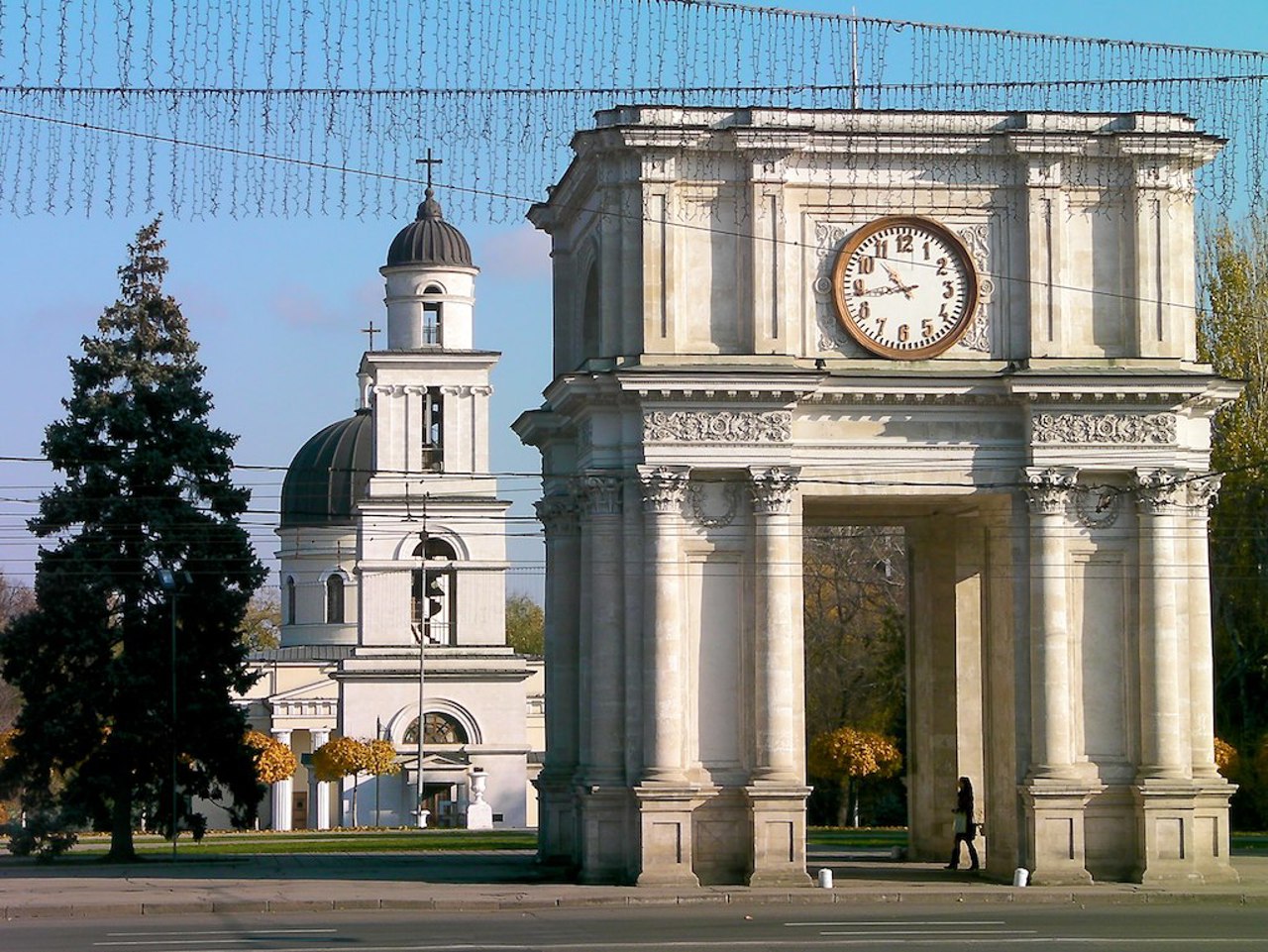
Chisinau, Moldova’s capital, marks 590 years since its first documented mention on October 14, celebrating a city shaped by centuries of trade, successive political regimes and demographic change.
From a medieval village to a strategic centre and capital
Chisinau was first mentioned in a document dated July 17, 1436, when rulers of the Principality of Moldavia, Iliaș I and Ștefan II, issued a charter concerning landholdings associated with the settlement.
The document described the boundaries of the Chisinau estate, which at the time was a village near a well and a small forest on the banks of the Bac River.
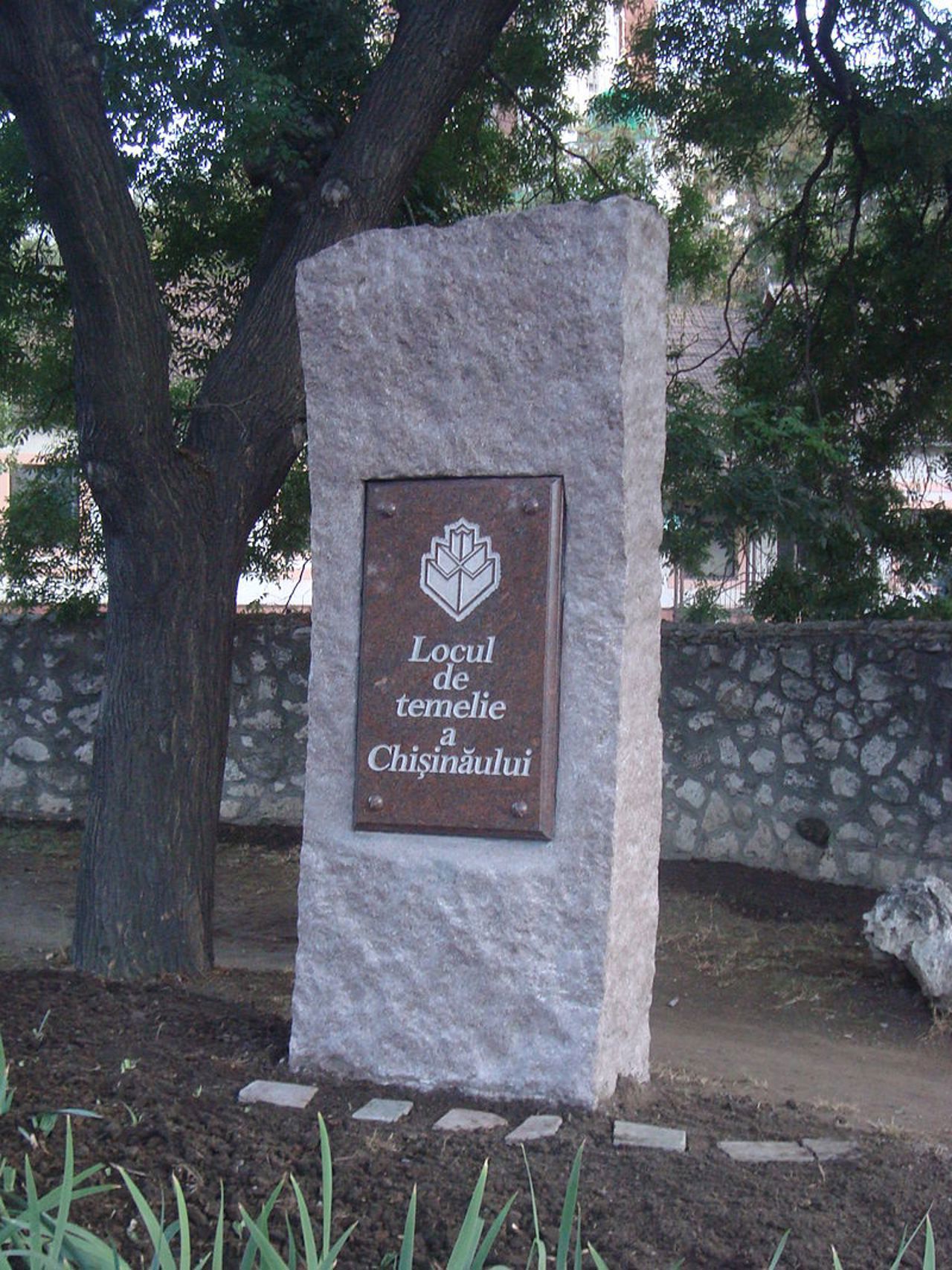
The city's earliest settlement is believed to have developed near the present-day intersection of Albișoara and Alexandru Pușkin streets.
Later records describe Chisinau as a rural market town in the historical district of Lapusna and, from the second half of the 18th century, in the Orhei-Lapusna district.
In the 16th century, after Tighina became an Ottoman-administered territory and the Budjak region and areas around Causeni came under Tatar rule, merchants and travellers sought safer routes between Cetatea Albă and Iași. They increasingly bypassed the administrative centre of Lapusna and travelled through Chisinau instead.
By the mid-17th century, this shift had helped transform Chisinau from a small village into a market town and a strategically important settlement.
Merchants began transporting goods along a safer trade route through the Bac River valley. Over time, officials from the Lapusna district and numerous craftsmen also relocated to Chisinau, strengthening its position as a regional centre.
“Lapusna district and its market town were more developed and more important at the time. However, Chisinau was growing alongside them, as it was geographically closer to the centre of the area between the Prut and Dniester rivers, near the Bac River. The political circumstances made this location more attractive and accelerated its economic development,” historian Sergiu Musteață told Teleradio-Moldova.
In 1772–1774, Chisinau had around 800 residents from various ethnic communities, including Moldavians, Armenians, Greeks and Jews. They worked in trade, crafts, agriculture and fishing.
The town began developing into a fully fledged city after the Russian Empire annexed Bessarabia in 1812 and made Chisinau the capital of the newly established Bessarabia Governorate. At the time, the city had approximately 5,000 inhabitants.
“The town was inhabited mainly by the local population. Its ethnic makeup became more diverse during the 19th century under tsarist administration, as the Jewish and Russian communities grew. The indigenous population consequently became a minority compared with the other ethnic groups that settled here. Looking back, Chisinau has become a predominantly Romanian city again only in recent decades,” the historian said.
Urban modernisation reshapes the city
Chisinau's appearance changed significantly between the 1850s and 1870s. City architect Alexander Bernardazzi played a major role in its modernisation, overseeing street planning and paving, as well as the design and construction of the city's first municipal water supply network.
He also contributed to the development of the City Park, now known as the Stefan cel Mare si Sfant Public Garden, and to the design of the City Duma building, which today houses Chisinau City Hall. Other projects included the Water Tower and several historic buildings that remain landmarks of the capital.
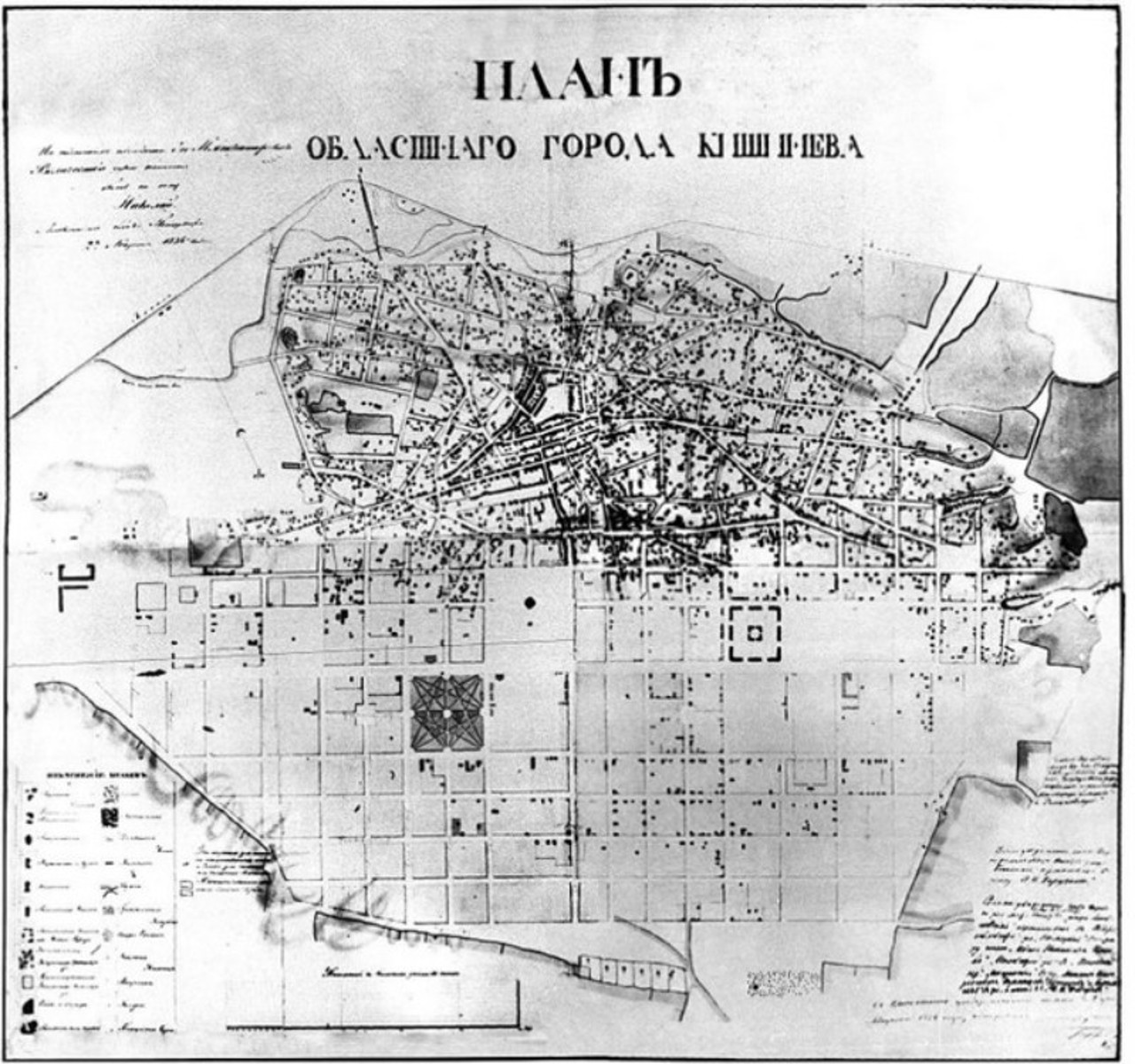
“Under tsarist rule, Chisinau became an administrative centre that received substantial investment in infrastructure. This was when the first urban development plan was drawn up, expanding the city's layout towards the upper part of the settlement. The first institutions were built, along with the episcopal quarter and its cathedral, which effectively became the heart of New Chisinau. The market town developed into a modern city, with wider, better-planned streets and buildings reflecting the architectural styles of the first half of the 19th century,” Musteață said.
Chisinau as a municipality in interwar Romania
Under tsarist administration, Chisinau also became a major centre for the grain trade. After the railway was completed in 1871, agricultural produce began to be transported for export through the port of Odessa.
The new trade route attracted substantial immigration, particularly from Russia, Ukraine, Germany and Jewish communities, whose members settled in the governorate's capital. By late 1898, ethnic Romanians accounted for just 14% of the city's population, according to the figures cited in the source material.
Following Bessarabia's union with Romania in 1918, Chisinau had 114,896 residents, according to the 1930 general census.
The population included 48,456 Romanians, 41,065 Jews, 19,631 Russians, 979 Germans, 563 Ukrainians, 541 Bulgarians, 490 Armenians, 421 Greeks, 141 Hungarians, 128 Roma, 80 Czechoslovaks, 48 Turks, 34 Gagauz and seven Tatars, as well as members of other ethnic groups.
Chisinau officially received municipal status within the Kingdom of Romania on June 14, 1925, following the adoption of the Administrative Unification Law. The city gained greater administrative autonomy, a municipal council and a mayor elected under the new regulations.
It became the country's second-largest city after Bucharest and the administrative centre of Lapusna County.
“Chisinau also underwent a period of administrative and architectural development between the two world wars. Although it was no longer a capital, the city received substantial investment in educational and cultural institutions. For example, Visterniceni, now part of the Rascani district, was incorporated into Chisinau only after 1918. Until then, the city's boundaries stopped at the Bac River. Expansion towards areas such as Botanica and Ciocana took place later, during the Soviet period,” Musteață said.
Soviet-era expansion and the growth of the capital
After 1945, with the restoration of Soviet rule, the authorities relocated large numbers of ethnic Russians and Ukrainians to Chisinau. The city's population subsequently grew rapidly, from 215,000 in 1959 to 503,000 in 1972.
On January 1, 1984, Chisinau had more than 604,000 residents. The 1989 census recorded 661,400 people, approximately 40% of whom were ethnic Russians.
During the Soviet period, the city reached a population of 700,000 and became an important administrative and industrial centre.
After Moldova declared independence, Chisinau became the capital of the Republic of Moldova. Its population stood at 662,000 in 1996.
Today, the municipality has more than 720,000 residents, according to official figures from the 2024 census.
How Chisinau City Day became an annual tradition
The earliest recorded invitation for residents to celebrate City Day dates back to 1987, when the local administration scheduled the festivities for the first Saturday in October.
In 2002, Chisinau City Hall issued a decision establishing October 14 as the date of the city's patronal celebration. The date coincides with the Orthodox Christian feast of the Protection of the Mother of God, known in local tradition as Pokrov.
Chisinau's longest-serving mayors
The office of mayor of Chisinau was established in 1817. Since then, the city has had 59 leaders, including six acting mayors.
Among the longest-serving mayors were:
- Carol Schmidt — 26 years in office (1877–1903).
- Dimitrie Lovcinski — 14 years across three terms (1825–1830, 1834–1836 and 1843–1845).
- Dimitrie Mincu — 13 years across three periods (1849–1854, 1858–1860 and 1861–1866).
- Serafim Urechean — 11 years (1994–2005).
- Dorin Chirtoacă — 10 years (2007–2017).
On October 14, 2026, Chisinau is celebrating its City Patron Day with events in the capital's centre and across its districts. The programme includes outdoor concerts, food areas, traditional crafts fairs and interactive activities for families.
The celebrations are scheduled to begin at 8:30 a.m. with a Divine Liturgy at the Metropolitan Cathedral of the Nativity of the Lord. Festivities will continue throughout the day, culminating in an evening concert in the city centre. The source material lists a 7:45 p.m. start for the concert; this timing should be checked against the latest official programme before publication.
Performers named in the programme include the Municipal Folk Music Orchestra conducted by the Advahov Brothers, the bands Zdob și Zdub and Lupii lui Calancea, and singers Zinaida Julea, Mihai Ciobanu, Igor Cuciuc, Adrian Ursu, Cătălin Josan, Pasha Parfeni, Natalia Barbu and Natalia Gordienko, alongside the vocal group Brio Sonores.
Translation by Iurie Tataru
RELATED COVERAGE
- Chisinau: Moldova's capital marks City Patron Day
- Chișinău City Day 2025: Full programme and concert lineup
- Ion Suruceanu, Olga Ciolacu and seven others named Honorary Citizens of Chișinău
- Chișinău City Day disrupts traffic