EU opens 17 negotiation chapters with Moldova in Luxembourg
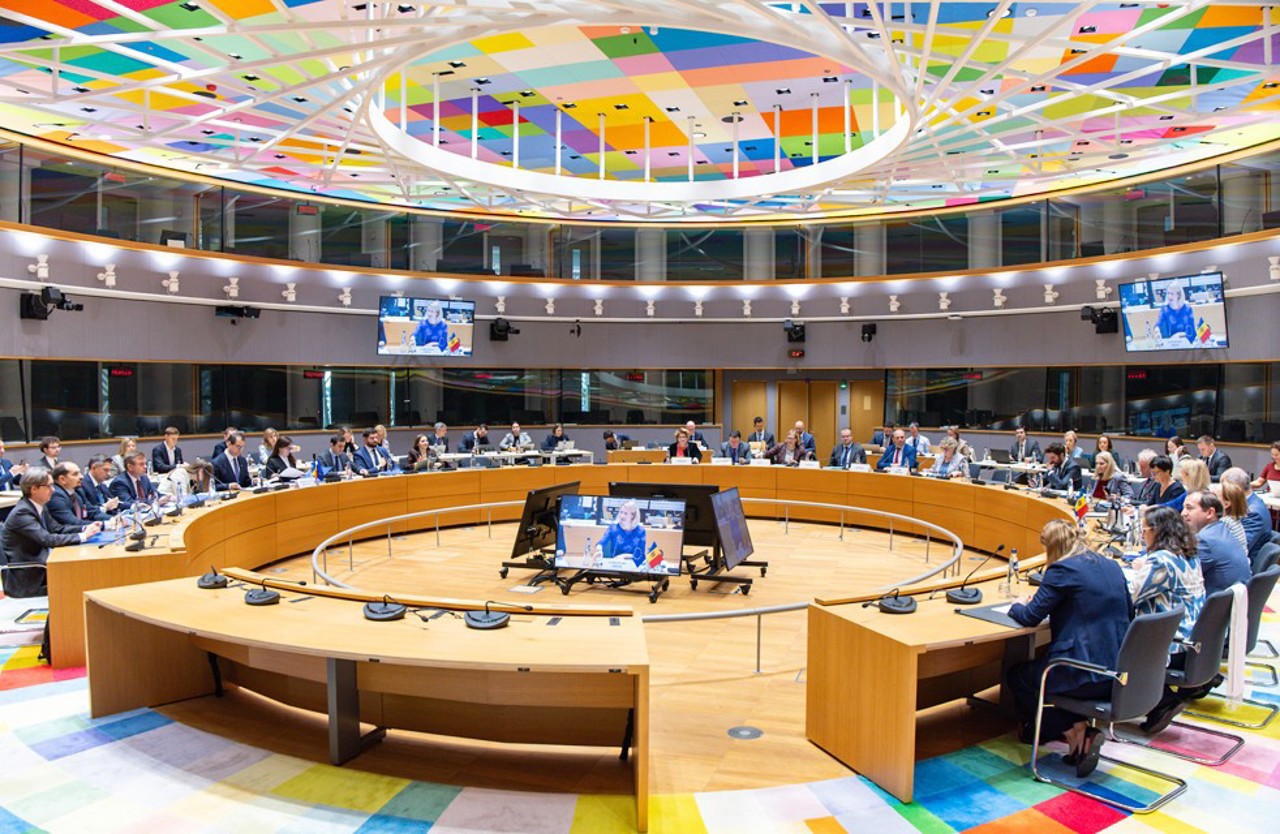
Moldova officially opened EU accession negotiations on Clusters 2 and 3 in Luxembourg on October 13, bringing 17 key chapters of the European acquis onto the active negotiating table.
The diplomatic milestone, endorsed during the fourth Intergovernmental Conference (IGC) between Chisinau and the European Union, covers Cluster 2, "Internal Market," and Cluster 3, "Competitiveness and Inclusive Growth." Together, these areas represent the economic core of the European single market.
Mixed readiness across economic chapters
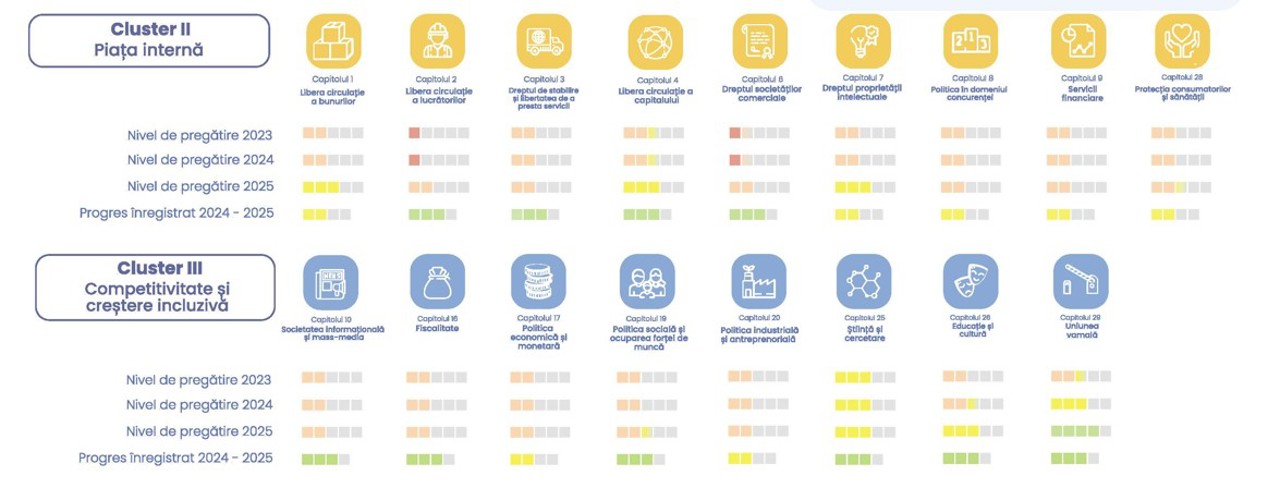
According to the European Commission's latest enlargement assessment, the baseline preparedness across the 17 opened chapters remains uneven. Only one chapter—Customs Union—attained a "good level of preparation" for EU membership.
Five other chapters were rated as "moderately prepared," while the remaining 11 areas currently stand at "some level of preparation," underscoring the substantial legislative and regulatory alignment ahead for Chisinau.
However, the pace of recent reforms shows a far more positive dynamic. In the 2024–2025 assessment period, 10 of the 17 chapters registered "good progress," with no negotiation area experiencing stagnation or legislative regression.
Internal Market Negotiations Underway
Cluster 2 comprises nine negotiation chapters, covering the free movement of goods, workers, and capital, the right of establishment and freedom to provide services, company law, intellectual property rights, competition policy, financial services, and consumer and health protection.
Within this cluster, the European Commission previously rated three chapters as "moderately prepared": free movement of goods, free movement of capital, and intellectual property law.
Five chapters stood at "some level of preparation," including the free movement of workers, right of establishment and freedom to provide services, company law, competition policy, and financial services. Consumer and health protection stood at "some level of preparation," with a positive trajectory toward moderate readiness.
Over the past reporting cycle, "good progress" was logged in four Cluster 2 areas: free movement of workers, right of establishment and freedom to provide services, company law, and capital movements.
Customs union leads competitiveness cluster
Cluster 3 covers eight chapters, encompassing information society and media, taxation, economic and monetary policy, social policy and employment, enterprise and industrial policy, science and research, education and culture, and the customs union.
The Customs Union remains the sole chapter across both clusters boasting a "good level of preparation." Science and research, alongside education and culture, were classified as "moderately prepared," while the remaining five policy areas remain at "some level of preparation."
Reform momentum in Cluster 3 proved robust between 2024 and 2025, with six of the eight chapters registering "good progress." Only economic and monetary policy, along with enterprise and industrial policy, were limited to "some progress."
Accession roadmap expected on October 28
To join the 27-nation bloc, Moldova must complete negotiations across 33 chapters organized into six thematic clusters. With the latest talks in Luxembourg, Chisinau has now opened four of the six clusters, having launched Cluster 1 ("Fundamentals") on June 15 and Cluster 6 ("External Relations") on July 14.
Negotiations on the final two packages—Cluster 4, "Green Agenda and Sustainable Connectivity," and Cluster 5, "Resources, Agriculture and Cohesion"—are slated to begin before the end of this year.
Moldova is scheduled to receive its formal EU accession roadmap on October 28, alongside Ukraine, Montenegro, and Albania.
European Commissioner for Enlargement Marta Kos reiterated Brussels' backing for Chisinau's integration timeline during the ministerial meeting in Luxembourg.
“We support the Republic of Moldova’s vision to become an EU member by 2030. From a technical standpoint, it would be possible to conclude negotiations in the first or second quarter of 2028,” said Kos.
Translation by Iurie Tataru
RELATED COVERAGE
- Moldova opens two more EU accession clusters in Luxembourg talks
- Moldova starts negotiations on two chapter groups in Luxembourg
- Marta Kos: All four remaining EU accession clusters for Moldova and Ukraine are ready to open
- Moldova opens EU cluster 6 negotiations in Brussels
- Roadmaps outline integration objectives for candidate countries like Moldova