More jobs and higher wages in rural areas can combat poverty affecting over 40% of children
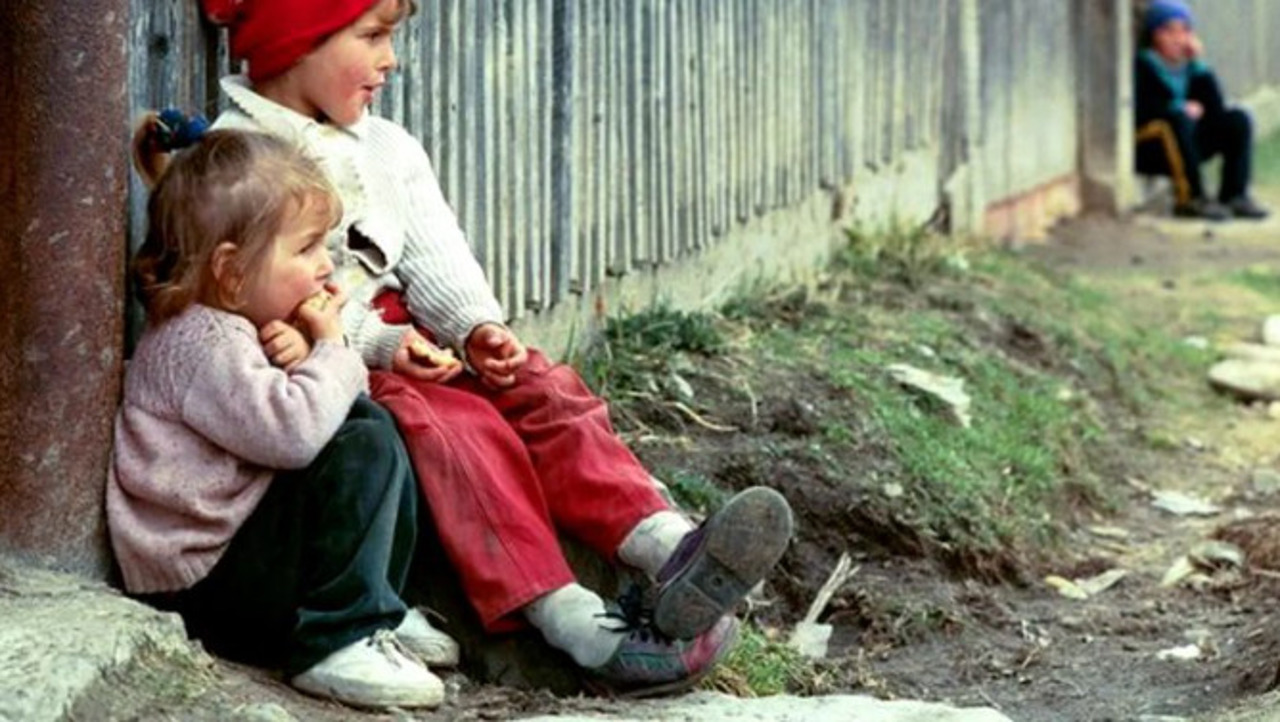
More than 40 percent of children in rural areas live in absolute poverty. This phenomenon also affects over a third of children in the Republic of Moldova. Unstable jobs, low agricultural income, and limited access to services and infrastructure are among the main causes. Experts note that social benefits are insufficient to address this situation. To address this, it is necessary to create well-paid, stable jobs in rural areas, develop the local economy, improve infrastructure, and ensure better access to education and healthcare.

Last year, the absolute poverty rate among children exceeded 30 percent, according to data from the National Bureau of Statistics. In rural areas, this figure reached 43.5 percent, compared to approximately 19 percent in urban areas. Furthermore, more than a third of the country's children face multidimensional poverty—meaning that, in addition to a lack of sufficient income, they encounter difficulties in accessing healthcare, education, or adequate living conditions.
Childhood poverty can have long-term effects and may be transmitted from one generation to the next, noted Liliana Rotaru, president of the organization Copil, Comunitate, Familie (Child, Community, Family), during the program "Spațiul Public" on Radio Moldova. Rotaru emphasizes that families should be supported—without being judged or blamed—while also being encouraged to take an active role in overcoming their challenges.
"I believe there is a need for ongoing education for the general population and for families—including financial literacy—because one might receive these allowances and benefits without actually spending them for the child's benefit. It would be beneficial to increase or strengthen existing social payments and benefits, and to develop services. From an economic perspective, there is a need for as many jobs as possible, located as close as possible to where these families live," Liliana Rotaru stressed. Mihail Ciobanu, a researcher at the National Institute for Economic Research (part of the Academy of Economic Studies), explains the disparity between rural and urban areas by pointing to a lack of stable jobs, low wages in the agricultural sector, and more limited access to infrastructure. He notes that, according to statistical data, the child poverty rate in families where both parents are employed is approximately 20 percent. This figure rises to over 30 percent if one parent is not working. Families with three or more children also face an increased risk; for them, the poverty rate is nearly double that of families with only one child.
"A study on labor costs was conducted within our own department. We took a hypothetical family—a father, a mother, and two children. I don’t recall the exact figure, but it was somewhere in the range of 30-plus thousand lei per month for each parent. We estimated that with such a salary, they could afford a decent standard of living. However, there is still a long way to go, as the average salary in our country remains far below this amount. It is a significant gap," states Mihail Ciobanu.
Child allowances and social assistance help to reduce poverty. According to statistics, without these benefits, the child poverty rate would be 5.8 percentage points higher. Although the authorities have increased various forms of child-related assistance, the issue is much broader, according to Anastasia Gruzin, Deputy Head of the Directorate for Child Rights Protection and Family Welfare at the relevant ministry. She emphasizes, however, that financial support must be complemented by measures that help families overcome long-term challenges. Such interventions may include assisting with the issuance of identity documents, ensuring access to healthcare and educational services, providing counseling and vocational training, and offering support in finding employment.
"A crucial factor is the prevention and early identification of the risks a family might face, so as to prevent them from falling into even greater hardship," states Anastasia Gruzin.
For 2027, the Ministry of Labor and Social Protection has proposed allocating 70 million lei to support approximately 16,000 children living in difficult or high-risk situations.
At the same time, the authorities intend to increase the allowances for children in placement services.