Solar energy investment cuts costs at Moldovan hospital
Solar panels installed at Florești District Hospital saved over €67,000 (approx. 1.3 million MDL) in public spending across the past two years, local medical administrators announced on Sunday.
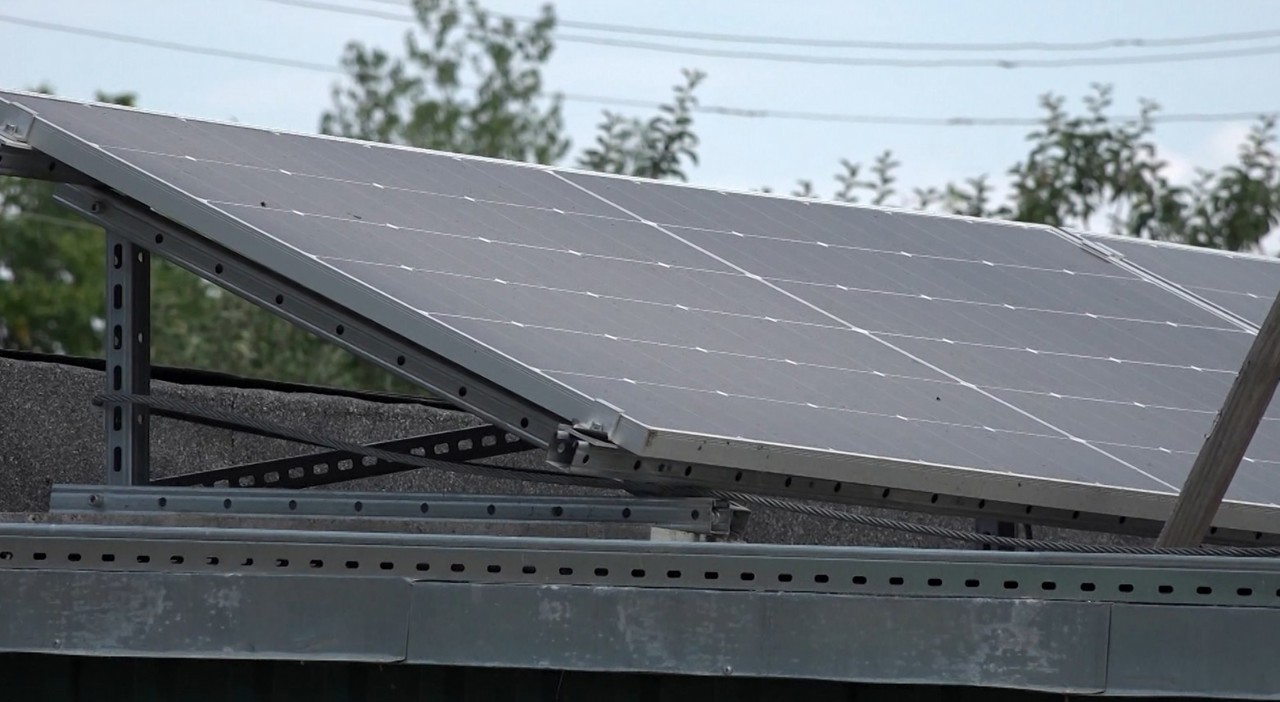
The photovoltaic infrastructure was deployed in 2024 through European Union funding under an initiative implemented by the United Nations Development Programme (UNDP). Hospital managers noted that the accumulated utility savings directly financed critical clinical procurement and institutional upgrades.
Grid stability and clinical equipment protection
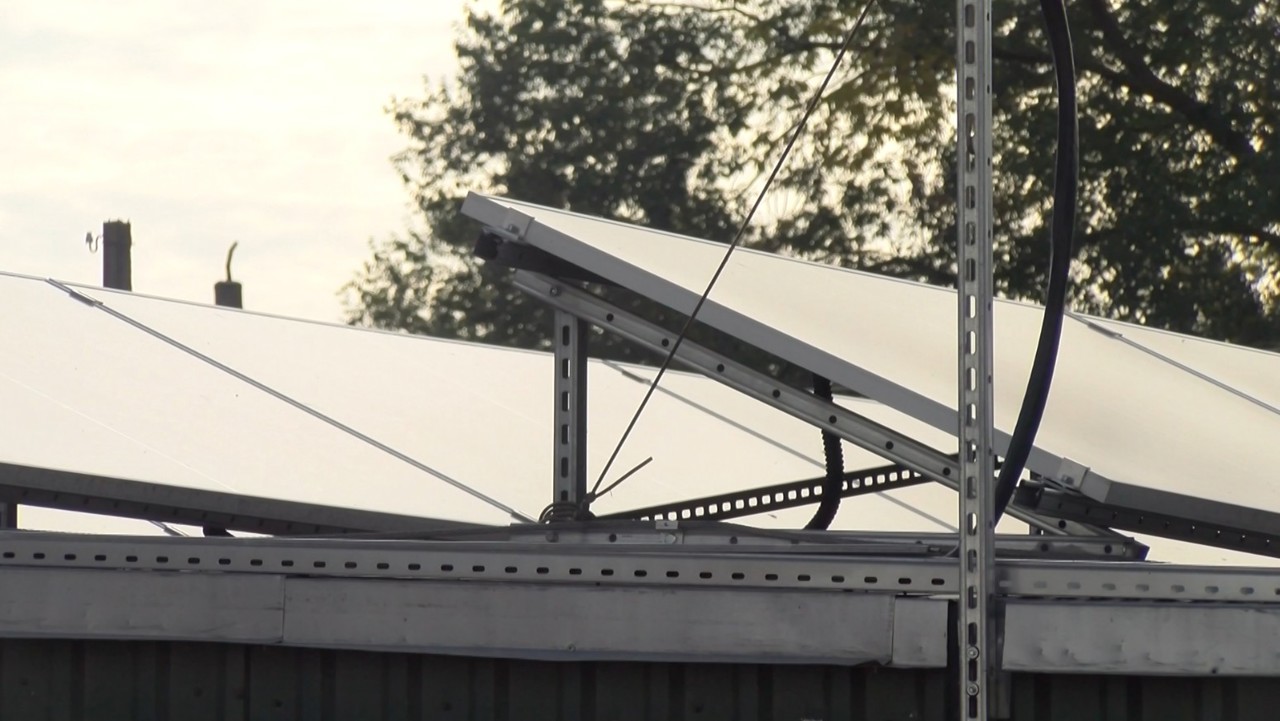
The 200-kilowatt rooftop system generates a significant share of the hospital's power demand while stabilizing the local electrical current. This buffer shields sensitive diagnostic machinery from abrupt grid voltage fluctuations.
“Our diagnostic equipment is highly sensitive to voltage drops, and the photovoltaic units actively stabilize the flow,” said radiologist Marcel Clima. “In the event of an unscheduled blackout, the system bridges the gap before backup diesel generators engage, making the disruption completely imperceptible.”
During 2025, the solar array produced approximately 150,000 kilowatt-hours of the 550,000 kilowatt-hours consumed across three key hospital facilities, while feeding an additional 65,000 kilowatt-hours back into the national grid. The setup yielded an average utility cost reduction of 33% across those premises.
Reinvesting savings into patient care
“The photovoltaic panels are deployed across three strategic zones: the surgical wing, the culinary facility, and the vehicle fleet garage,” said head of economic affairs Mihail Burușciuc. “Each perimeter operates a dedicated metering module to trace generated, consumed, and exported electricity.”
Elena Bogdan, deputy medical director of Florești District Hospital, emphasized that redirected energy funds directly improve healthcare delivery for the northern district.
“The savings generated by our solar panels enable our institution to enhance inpatient accommodation, acquire essential pharmaceuticals and medical consumables, and execute vital repairs centered on patient needs,” said Bogdan.
The facility upgrade reflects a broader EU-backed assistance project modernizing public healthcare infrastructure across regional Moldova. These operational results are highlighted in the "Where Does the Money Go?" civic transparency campaign, which inspects how foreign developmental funds reshape local community welfare across ten administrative districts.
Under this renewable energy envelope, the European Union allocated €500,000 to fit high-capacity photovoltaic arrays across five regional medical facilities in Florești, Nisporeni, Ștefan Vodă, Cahul, and Călărași.
Translation by Iurie Tataru
RELATED COVERAGE