Gas tariffs may be lowered by reorganizing Moldovagaz and cutting Energocom’s costs, Prime Minister
Natural gas tariffs could be reduced not only as a result of lower prices on the international market, but also through a decrease in the operating costs of companies involved in the distribution and supply of gas in the Republic of Moldova. The authorities aim to reorganise Moldovagaz's 12 regional subsidiaries, reduce the frequency of meter inspections, and optimise Energocom's expenditures.
The tariff paid by consumers consists of several components, the largest of which is the actual cost of natural gas—a factor dependent on developments in the international market. Conversely, distribution and administrative expenses can be influenced through measures taken at the national level, explained Prime Minister Vasile Tofan during a broadcast on Exclusiv TV.
"The tariff naturally includes a component that is difficult for us to control: the actual market cost of gas. This accounts for just over 17 lei of the tariff. Additionally, 5 lei covers distribution costs via Moldovagaz. There is potential for savings here," stated Vasile Tofan.
One proposed change concerns the structure of Moldovagaz. According to the Prime Minister, the company currently operates 12 regional subsidiaries; reducing this number would eliminate redundant administrative expenses.
"We are strongly urging Moldovagaz to reduce the number of these regional subsidiaries—there are 12 at present—so that we don't end up with 12 separate sets of accountants, engineers, drivers, and so on. This process has already begun, which is a positive step," the head of the Executive said.
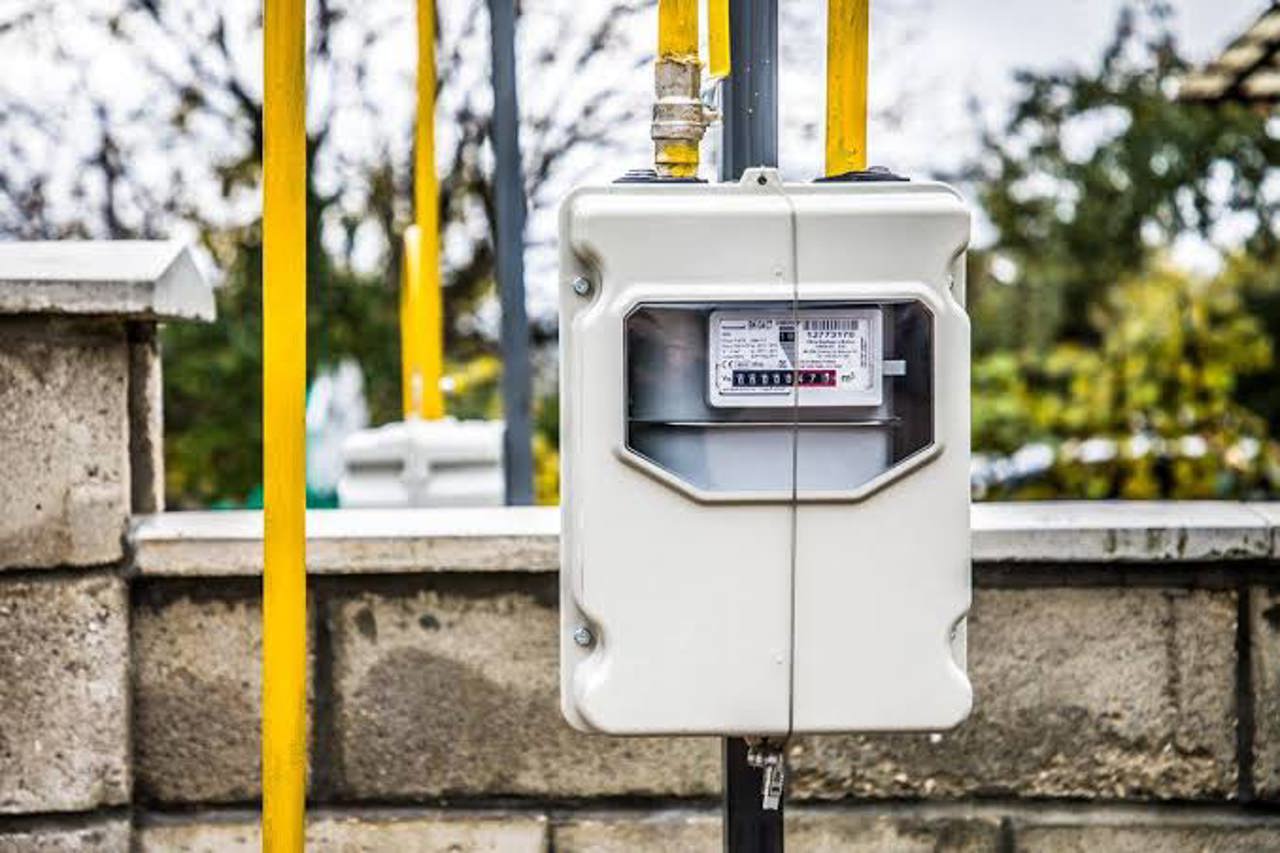
Another area where the authorities have identified potential savings is the periodic inspection of gas meters. The Prime Minister believes the current frequency of technical checks generates costs that could be reduced without compromising equipment functionality.
Tofan argued that existing regulations have not been sufficiently adapted to account for the modernization of gas meters, noting that these inspections are currently conducted more frequently than in other European countries. "We have far too many inspections of these meters—including checks to determine whether they are in good technical condition. There are many more than in Europe. Meanwhile, the meters themselves have been modernized, but the number of inspections has not been adjusted. That is why we are reducing them. And this will allow us to save money," the Prime Minister explained.
Energocom urged to cut costs, including rent and salaries
Efforts to cut costs are also being directed at Energocom, the company responsible for supplying natural gas. According to the Prime Minister, the company’s contribution to the final tariff is significantly lower than its procurement and distribution costs; nevertheless, authorities believe there is still room to save.
"To give you an idea, Energocom’s share is around 55 bani. So, its portion of the tariff is very small. Even so, we must reduce expenses there as well, because every penny counts," stated Tofan.
In this context, the Prime Minister noted that Energocom representatives have been asked to vacate their current headquarters, for which the company pays over six million lei annually.
"We have requested—quite insistently, I might add—that Energocom move from its current office to a state-owned facility. This will help us save money. While it represents a small fraction of the tariff, it sends an important message to the citizens: that every penny counts," the head of the Government said.
Furthermore, the authorities have requested a voluntary salary reduction within the company.
The price of natural gas has risen in the Republic of Moldova, driven by the international energy crisis and higher procurement costs. As of October 1, household consumers are paying 26.14 lei per cubic meter of gas (VAT included), up from the previous rate of 20.30 lei. The tariff rose by nearly 29% after the National Energy Regulatory Agency (ANRE) approved the decision on September 28. A further price adjustment before the end of the year cannot be ruled out, given the unpredictability of developments in the international market.