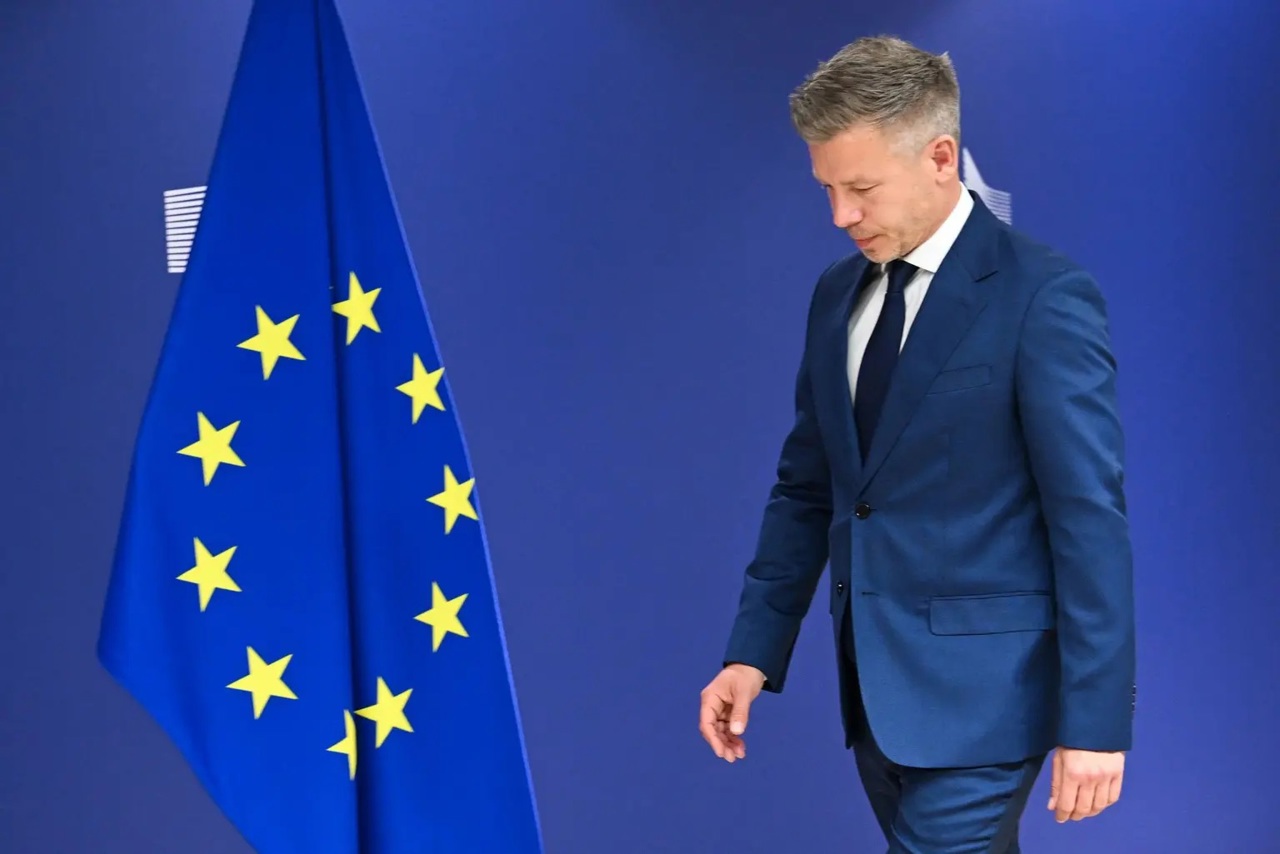
Laurențiu Pleșca: Romania has a functional government that can better support Chișinău’s European path
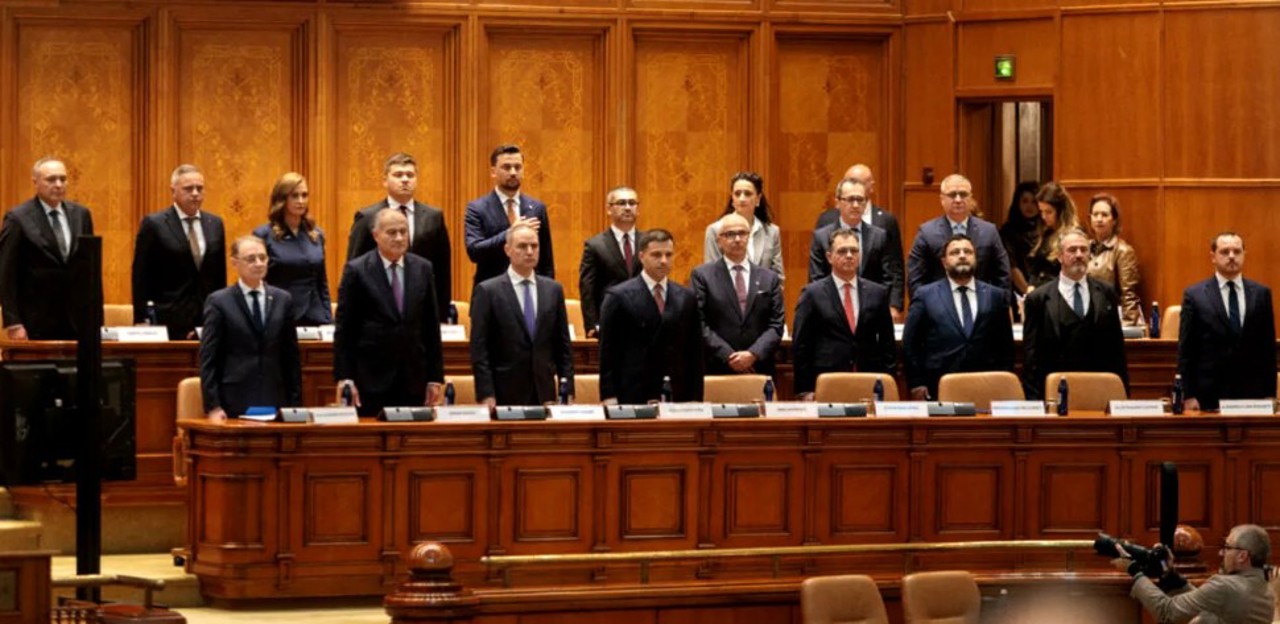
The program of Romania’s new government—which received the backing of the Bucharest Parliament on October 20—includes ambitious priorities for the Republic of Moldova; however, these must be rapidly translated into concrete projects, argues political science expert Laurențiu Pleșca. Key areas of focus include expanding infrastructure, streamlining cross-border traffic, and boosting energy cooperation.
"We have a functional government in Bucharest. Romania will no longer need to focus as heavily on internal issues; instead, it can devote even greater attention to the Republic of Moldova. This concerns support for its European path—specifically, the continuation of this support—as well as major infrastructure projects that the Government is prioritizing. To realize these, additional funding must be secured—from the European Union and other key donors—for the benefit of both Romania and the Republic of Moldova," commented Laurențiu Pleșca for Radio Moldova.
Support for the Republic of Moldova is explicitly included in the governing program of the Niculescu Cabinet. The document establishes that the Republic of Moldova remains a strategic priority for Romania, including support for its European integration, stronger energy security, and greater resilience against hybrid threats.
"Given the profound geopolitical shifts of recent months, Romania’s relations with the Republic of Moldova are entering a new phase. It is a stage in which the Republic of Moldova’s accession process to the European Union is accelerating, and Romania’s policy must adapt to this reality. Romania must continue to be the Republic of Moldova’s primary source of support throughout this process," stated Luca Niculescu from the floor of Parliament.
According to him, the Republic of Moldova’s closer alignment with the European Union presents an opportunity to strengthen bilateral relations and develop joint projects across various sectors. "This is a process that offers us the opportunity to build a much stronger network of relationships and joint projects across various fields. It will bring us closer together and pave the way for the Republic of Moldova’s integration into the European sphere," stated Niculescu.
A Government on "probationary mandate"
Commenting on the investiture vote for a new Cabinet of ministers in Bucharest, Laurențiu Pleșca said it marks a step toward overcoming the political crisis triggered by the ousting of the Bolojan Government via a motion of no confidence this past May.
However, the expert emphasized that the new administration does not yet have a guarantee of a stable, long-term mandate, as the support of the political parties is contingent upon the fulfillment of specific commitments and an evaluation of the government’s performance after six months.
Key challenges facing the new Cabinet include adopting the 2027 budget, implementing pledged reforms, and maintaining confidence from international rating agencies. "I would say that this crisis has not ended, but merely postponed; while the government does indeed command a broad majority, its support is conditional. The agreement signed by the National Liberal Party (PNL) sets out the terms the executive must meet by the time the 2027 budget is adopted. Furthermore, the Social Democratic Party (PSD) has announced that it will conduct its own assessment after six months. In effect, we are dealing with a government on a 'probationary' mandate, rather than the standard four-year term. Naturally, this governing arrangement shares power, though not necessarily responsibility: the PSD holds 11 ministries, the Prime Minister is independent, and other ministers are independent. Yet, the PNL retains a veto power from outside the government—and can demand accountability should the PSD or independent Prime Minister Luca Niculescu fail to honor their obligations," noted Laurențiu Pleșca.
First meeting of the Niculescu Cabinet on the evening of October 20
On October 20, Parliament in Bucharest granted its support to the Cabinet led by Luca Niculescu, ending five and a half months of interim governance.
To be invested, the executive required 233 votes; it secured 280. Meanwhile, 58 of the 355 deputies and senators present at the session voted "against." The Prime Minister and the ministers of the Niculescu Cabinet will take their oaths of office before President Nicușor Dan this evening at 7:00 PM.
The Niculescu Cabinet will then convene on Tuesday evening for its first government meeting.
"We are getting to work immediately; we will hold the first government meeting this very evening—Romania can no longer wait," announced Prime Minister Luca Niculescu following the vote in Parliament.
Romania has faced a political crisis since April 2026, when the Social Democratic Party (PSD) withdrew its support for the liberal Prime Minister, Ilie Bolojan. On May 5, a motion of no confidence—tabled by the PSD and the Alliance for the Union of Romanians (AUR)—was passed by Parliament, leading to the dismissal of the Bolojan government.
Subsequently, President Nicușor Dan put forward several nominations for the office of Prime Minister; however, all attempts to form a new government failed. Eugen Tomac relinquished his mandate before the parliamentary vote, while the legislature rejected the governments proposed by Adrian Veștea and Siegfried Mureșan.
On October 5, following consultations with the parliamentary political parties and groups, Nicușor Dan designated the diplomat Luca Niculescu as Prime Minister. The Romanian President stated that a government led by Niculescu would maintain the country’s pro-Western orientation, adhere to financial targets, and fulfill the commitments undertaken by Romania.