Moldova fast-tracks US-funded power link to Romania
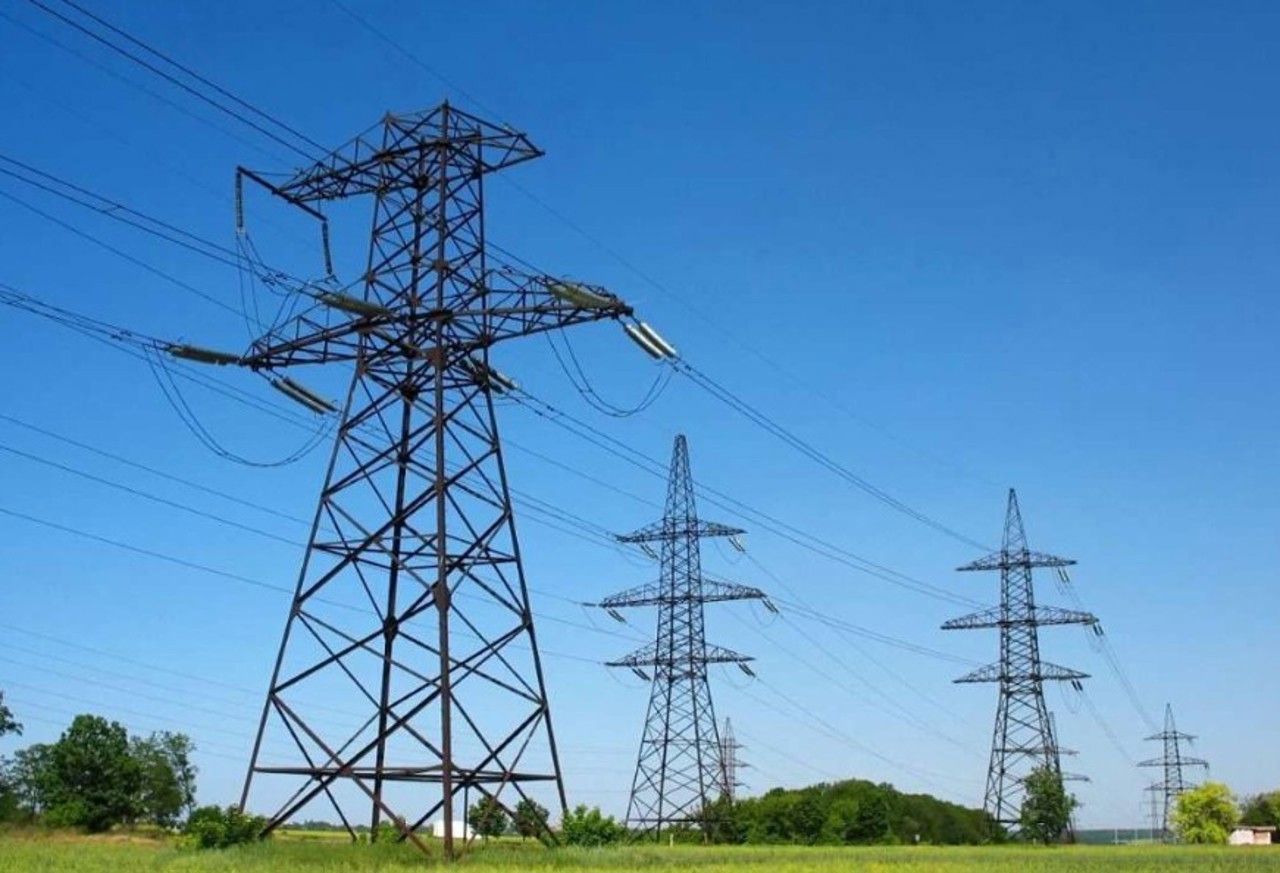
Moldova’s Parliament approved a bill in its first reading on October 22 to accelerate construction of the Trump Liberty Line, a US-funded 400-kV power link with Romania designed to strengthen the country’s energy security.
A $130 million grant for strategic energy infrastructure
The 70-kilometre Strășeni–Gutinaș power line will cross 25 communities in the Strășeni, Călărași, Nisporeni and Hâncești districts. The project includes upgrading the Strășeni substation and is backed by a US grant of $130 million (approximately 2.33 billion Moldovan lei), calculated at the National Bank of Moldova’s official exchange rate on October 22, 2026.
The government aims to complete construction by 2029, ahead of the indicative 2032 deadline in national planning, State Secretary at the Ministry of Energy Carolina Novac said during the project presentation.
The line is expected to have a transmission capacity of about 600 MW, allowing Moldova to increase electricity imports and exports while strengthening its connection to the European power grid.
“The construction of the new interconnection will contribute to several objectives. We are talking about the security of the electricity sector, the development of Moldova’s electricity transmission networks, and the possibility of importing more electricity while also exporting more,” Novac said.
Why the line will be called Trump Liberty Line
The proposed name prompted questions during parliamentary debates, including whether using US President Donald Trump’s name could create legal complications.
Novac confirmed the name and said it reflected the scale of US support for the project. She added that the ministry had discussed the matter with the US Embassy.
“We need to make the most of this opportunity and ensure that the project is completed even earlier than initially planned,” Novac said, describing the name as a gesture of gratitude for the funding.
Lawmakers from both the opposition and the parliamentary majority thanked the United States for the grant. Parliament also applauded the financial support during the debate.
Land expropriation and compensation
The bill grants the project national public utility status, allowing authorities to expedite land expropriation and administrative procedures required for construction.
Novac said the exact area of land to be expropriated had not yet been established. Although the feasibility study had been completed, economic, environmental and social impact assessments were still required before the government could adopt an expropriation decision.
Around 25 local public authorities have expressed support for the project, she said.
Novac cited the Vulcănești–Chișinău power line as an example of the compensation process. Of approximately 5,400 plots affected by that project, more than 70% had already been compensated, while one of the cases mentioned in the expropriation process had reached court.
For the Strășeni–Gutinaș project, authorities intend to negotiate with landowners first, including over compensation. Disputes will be examined individually, with officials seeking to avoid court proceedings that could delay construction.
Under the bill, owners whose land is expropriated will receive compensation based on market prices, subject to a minimum determined by the applicable reference valuation.
Moldova seeks to diversify energy supplies
Adrian Băluțel, chairman of Parliament’s Committee on European Integration, said Moldova had spent decades relying on a limited number of energy supply routes.
He noted that natural gas supplies had been linked to Russia until 2022, while electricity had been supplied by the Cuciurgan power plant, controlled by the separatist authorities in Tiraspol, until 2025.
Following the start of Russia’s full-scale war against Ukraine, Moldova’s electricity grid was synchronized with the continental European network through ENTSO-E within weeks, Băluțel said.
“For decades, nothing was built to diversify Moldova’s electricity supply. For years, plans for interconnections with Romania remained in drawers. In recent years, however, we have changed the pace,” he said.
Băluțel added that the Vulcănești–Chișinău line was expected to enter service in 2026, while Parliament was also expected to discuss the proposed Bălți–Suceava interconnection.
He said the Strășeni–Gutinaș project would be financed by the United States and built together with Romania, helping Moldova connect to the European electricity market.
Parliament to examine bill in second reading
The legislation also sets out procedures for permits, authorizations, tree clearance and timber removal required for construction. In areas containing archaeological heritage, work can begin only after the legally required archaeological clearance procedures have been completed.
The Strășeni–Gutinaș line is the third planned electricity interconnection with Romania. Together with the upgrade of the Strășeni substation, it is intended to strengthen electricity links across Southeastern Europe and the Black Sea region and facilitate Moldova’s integration into the European Union’s energy market.
The bill is due to be examined in its second reading.
Translation by Iurie Tataru
RELATED COVERAGE