Defence Minister: Russia seeks sensitive information as Moldova introduces polygraph tests
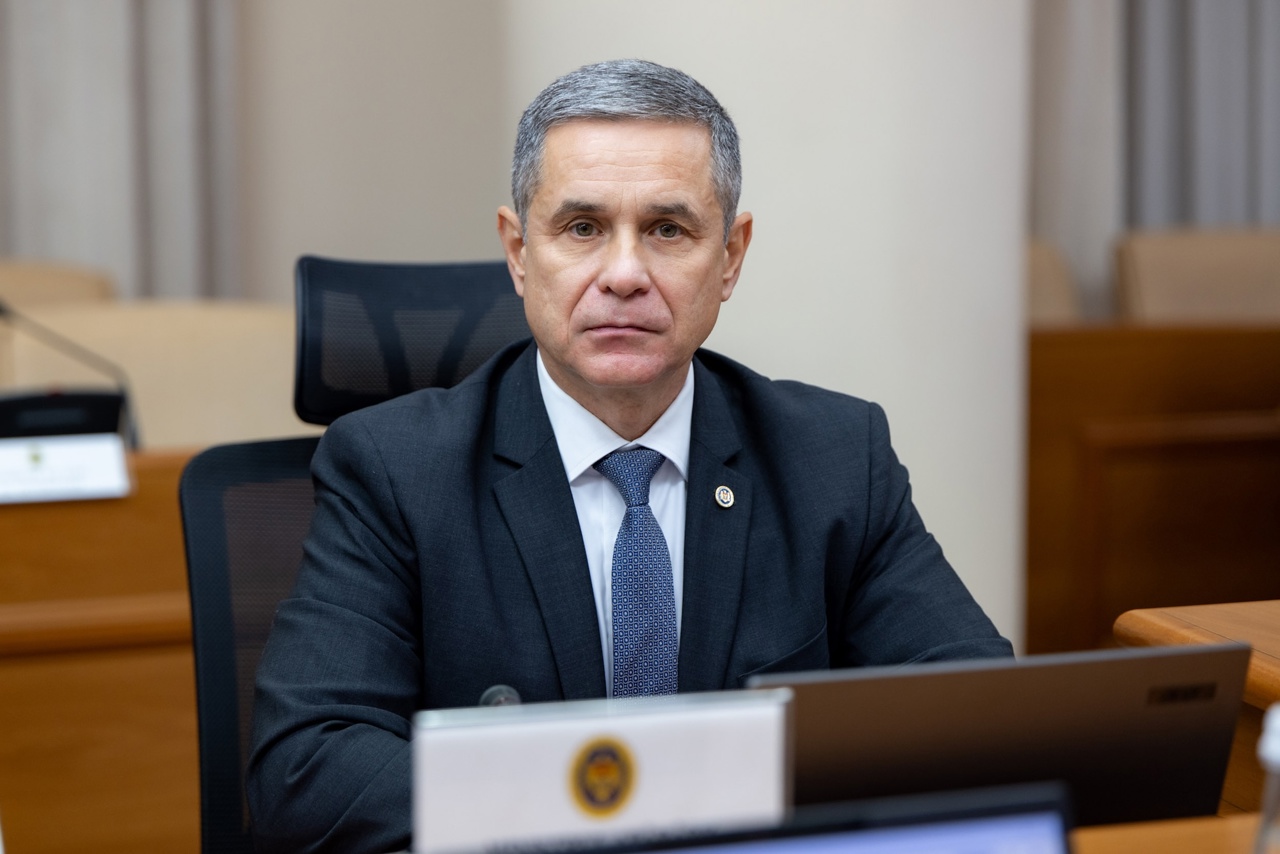
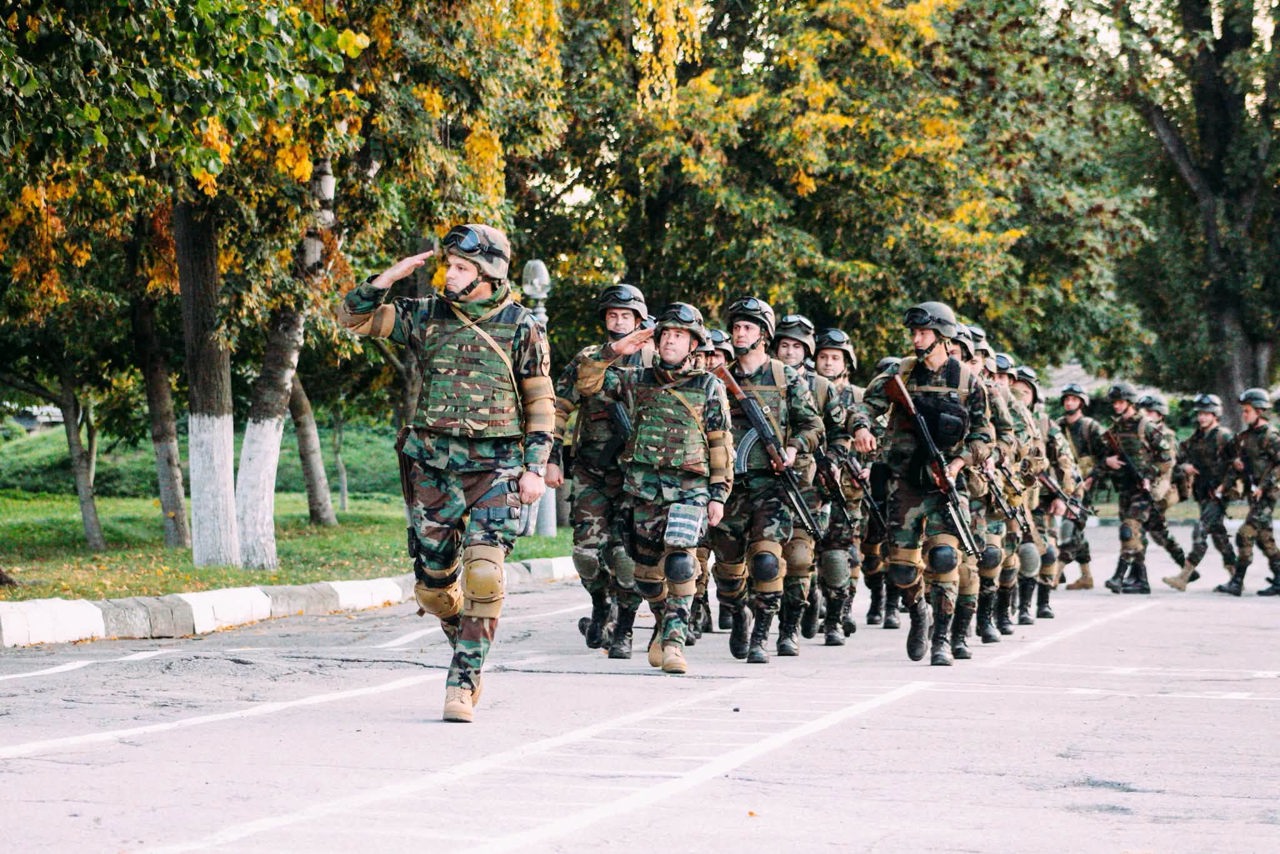
Military personnel and other members of Moldova’s National Army with access to classified information may be required to undergo polygraph tests as part of measures to prevent information leaks and strengthen institutional security. Authorities have amended the legislation and procured the necessary equipment to implement the new screening procedures. Defence Minister Anatolie Nosatîi said Russia continues to show strong interest in information held by state institutions, while the risk of attempts to obtain such information remains high.
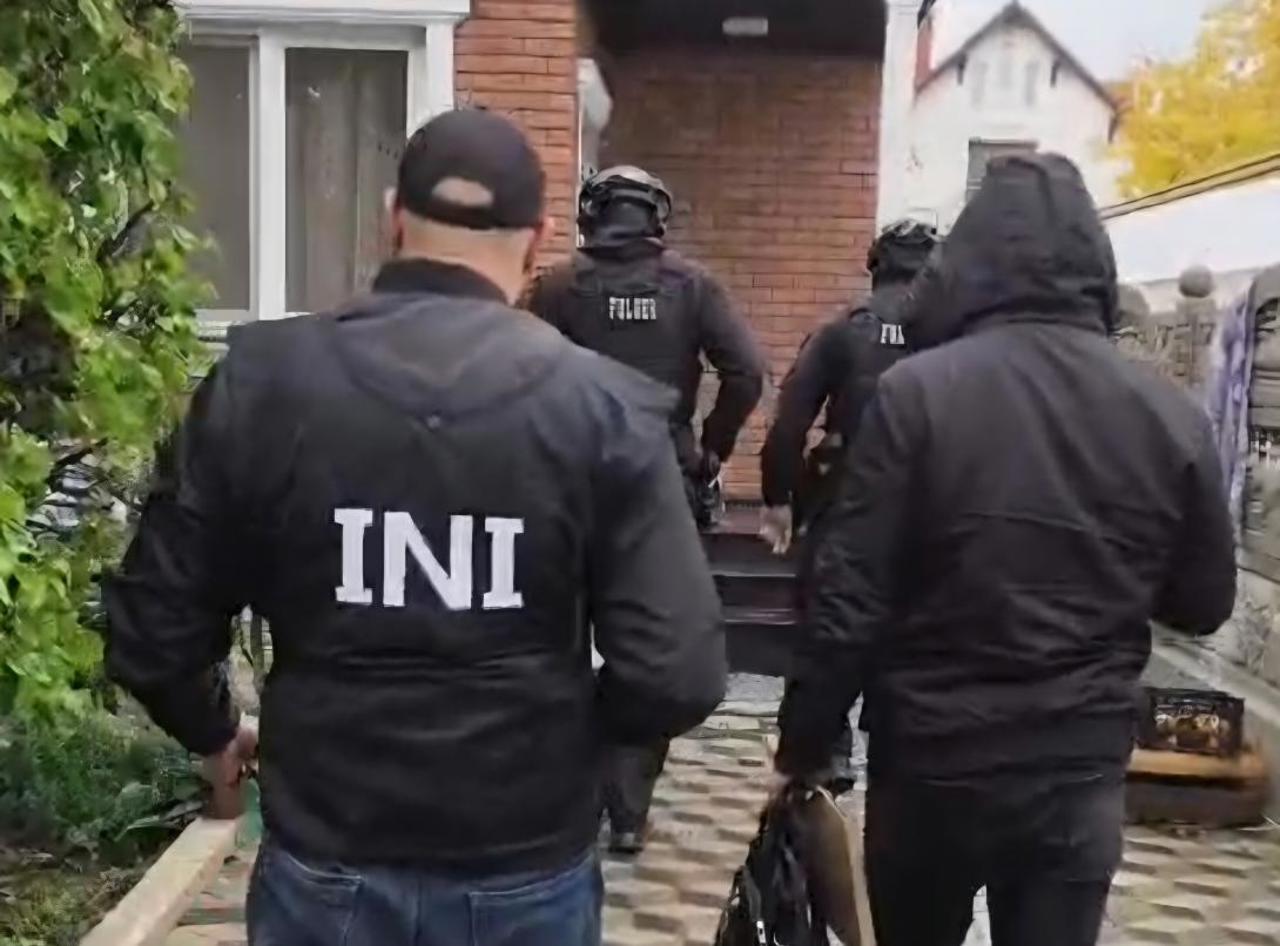
Polygraph testing was introduced following legislative amendments and stronger procedures for protecting classified information. The Ministry of Defence has also organised staff training and provided the equipment needed to conduct the tests. The measures aim to prevent cases similar to that of former General Staff chief Igor Gorgan, who is suspected of passing information to Russian intelligence services, Defence Minister Anatolie Nosatîi said during an interview with Vocea Basarabiei.
“We have also introduced polygraph testing for people who have access to classified information. This was not previously practised in the National Army. We amended the legislation and took steps to provide training and the necessary equipment,” Nosatîi said.
The checks are part of a broader internal security system designed to prevent unauthorised access to information about military activities. The procedures are carried out under Law No. 245 on State Secrets, and personnel are informed of their obligations when handling classified documents and information.
The risk of further infiltration attempts or illegal efforts to obtain sensitive information cannot be ruled out, as state institutions remain targets for Russian intelligence services. Asked how confident he was that no individuals willing to cooperate with Moscow remained in the defence leadership, Nosatîi acknowledged that vulnerabilities persist but expressed confidence in the institution’s current personnel.
“Russia will continue to seek information about the processes taking place within state institutions. The level of vulnerability is quite high, but I greatly appreciate the professionalism and patriotism of my colleagues, and I am confident that there are no longer people like the one you mentioned in our structures,” the minister said.
Former National Army General Staff chief Igor Gorgan became embroiled in a major espionage scandal after reports emerged alleging that he had links to Russian intelligence officials.