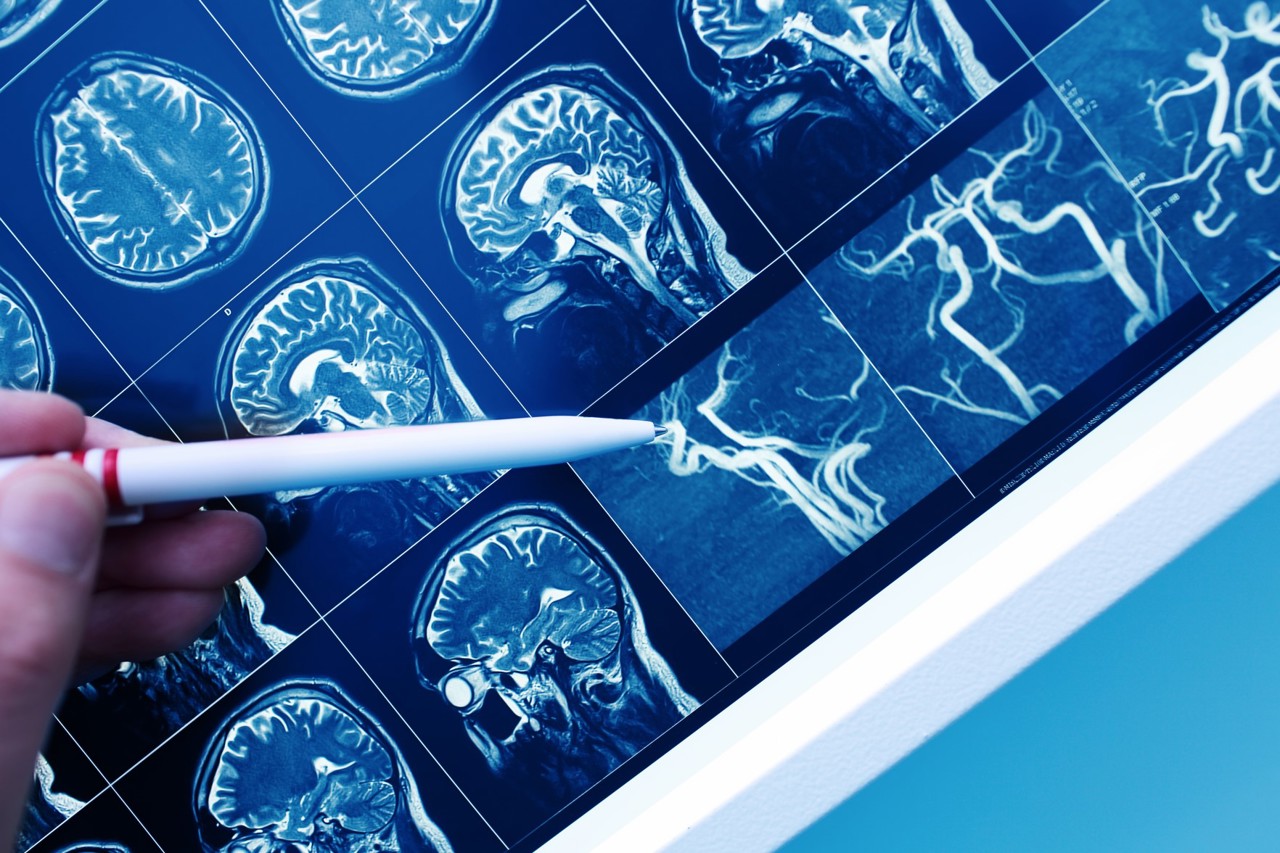
Stroke: Recognizing symptoms and acting fast can save lives
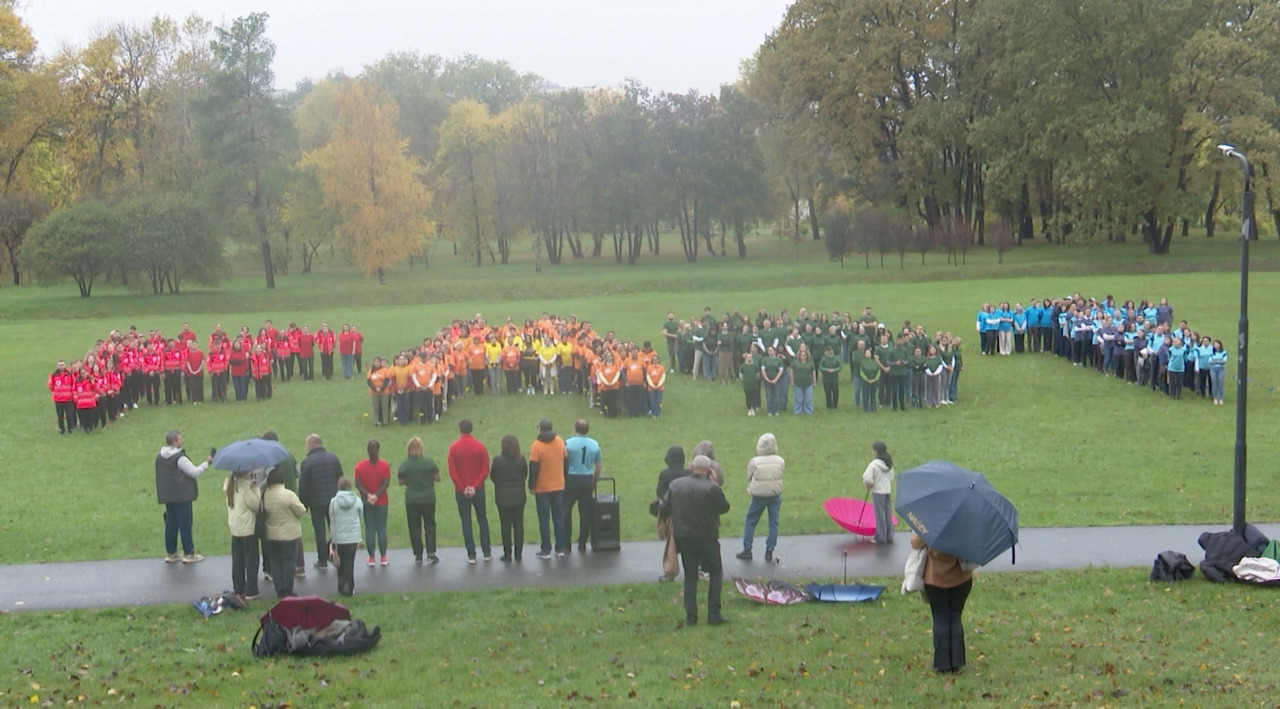
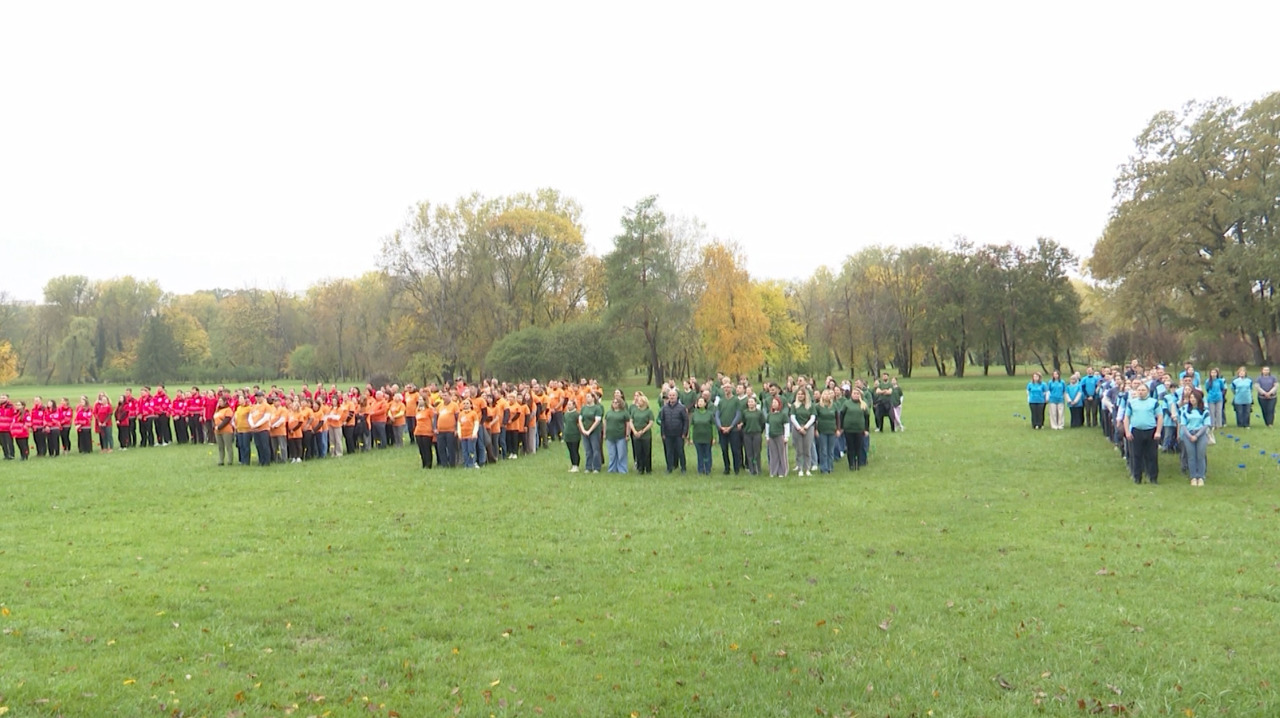
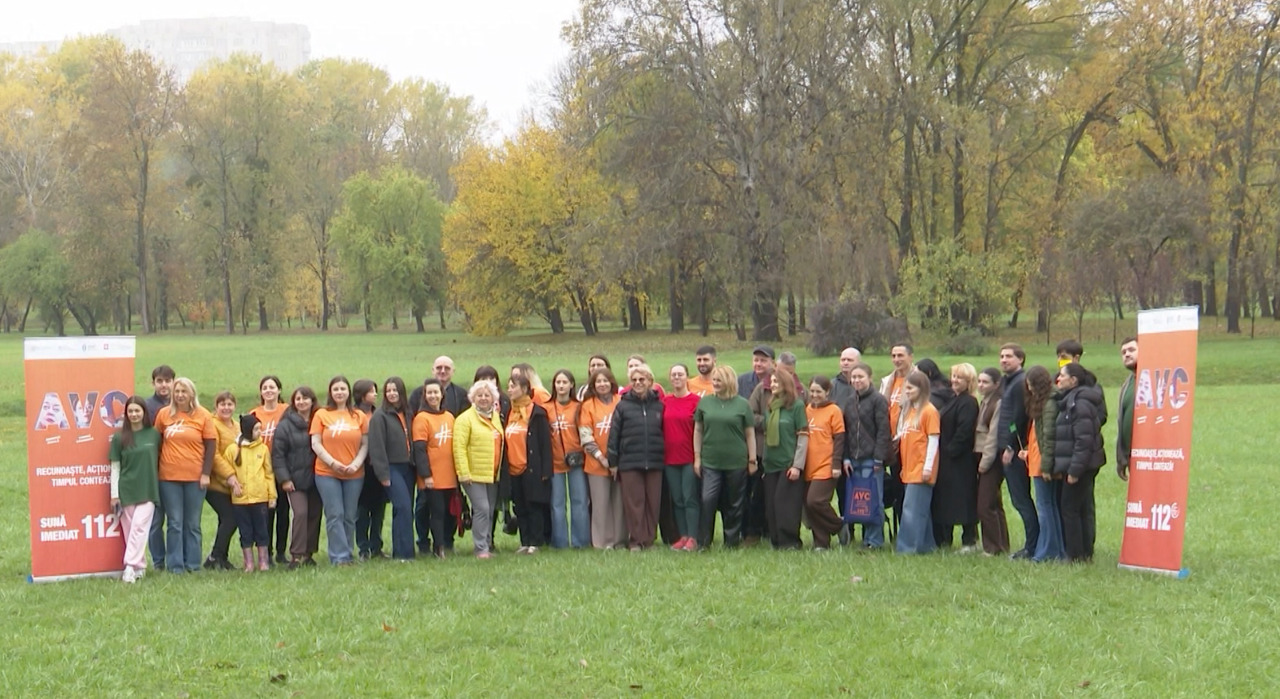
Every day, thousands of people in the Republic of Moldova suffer a stroke. To draw attention to this medical emergency, representatives from various healthcare institutions organized a flash mob, conveying a simple message: recognizing symptoms quickly and intervening in a timely manner can save lives. The event was held for World Stroke Day, observed annually on October 29.
“Every minute counts!”
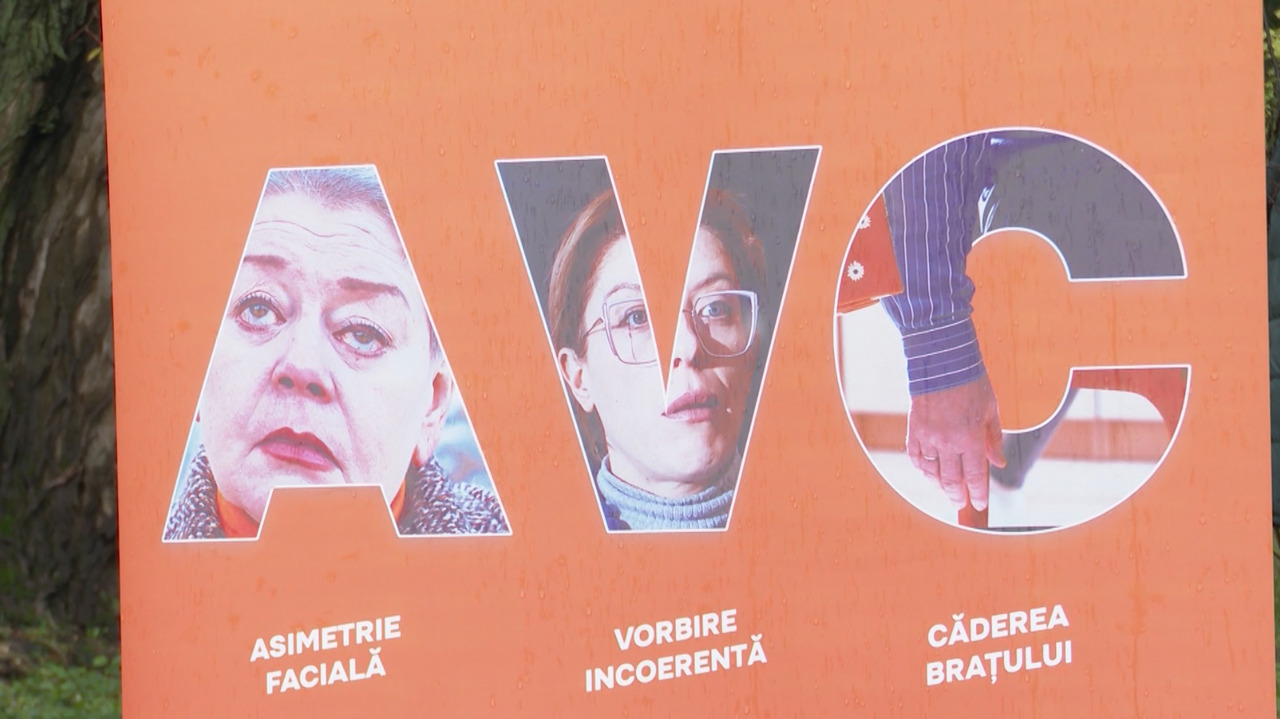
Participants wore T-shirts in various colors, with each shade representing a letter of the acronym FAST. This abbreviation helps rapidly recognise stroke symptoms: facial asymmetry, arm weakness, speech disturbances, and time—which means calling an ambulance immediately via the 112 emergency number.
“Today, we wanted to demonstrate that a patient’s treatment does not depend on a single doctor alone; rather, it requires a multidisciplinary team—one that extends beyond the confines of a single hospital to encompass the entire Republic of Moldova,” notes Diana Manea, Director of the Institute of Emergency Medicine (IMU).
“In the first nine months of 2026 alone, ambulance crews provided medical assistance to over nine thousand individuals suffering from a stroke. It is crucial to convey this message to everyone, ensuring they can recognize the signs of a stroke—such as facial asymmetry or speech impairment,” explains Ion Prisăcaru, Director of the National Center for Pre-hospital Emergency Medical Care (CNAMUP).
Following a stroke, a patient requires a period of rehabilitation, which involves the efforts of a multidisciplinary team consisting of rehabilitation physicians, physical therapists, and speech therapists.
"It could take anywhere from 2–3 weeks to several years, depending on the functional impairment the patient presents with. We primarily address motor deficits, with physical therapists working to increase muscle strength and improve joint mobility," explains Cristina Popescu, a rehabilitation physician.
"Through this flash mob, we wanted to highlight that every link in the chain of stroke care is important—from the pre-hospital phase all the way to post-stroke rehabilitation. The participants represent several different institutions," notes Daniela Efremova, Head of the Comprehensive Stroke Center at the Institute of Emergency Medicine (IMU).
More than 12,000 people suffer a stroke each year, according to data presented by the Ministry of Health. This means that, on average, one person experiences this medical emergency every hour.