Renovated national architectural monument in Bălți, with 15.8 million lei investment
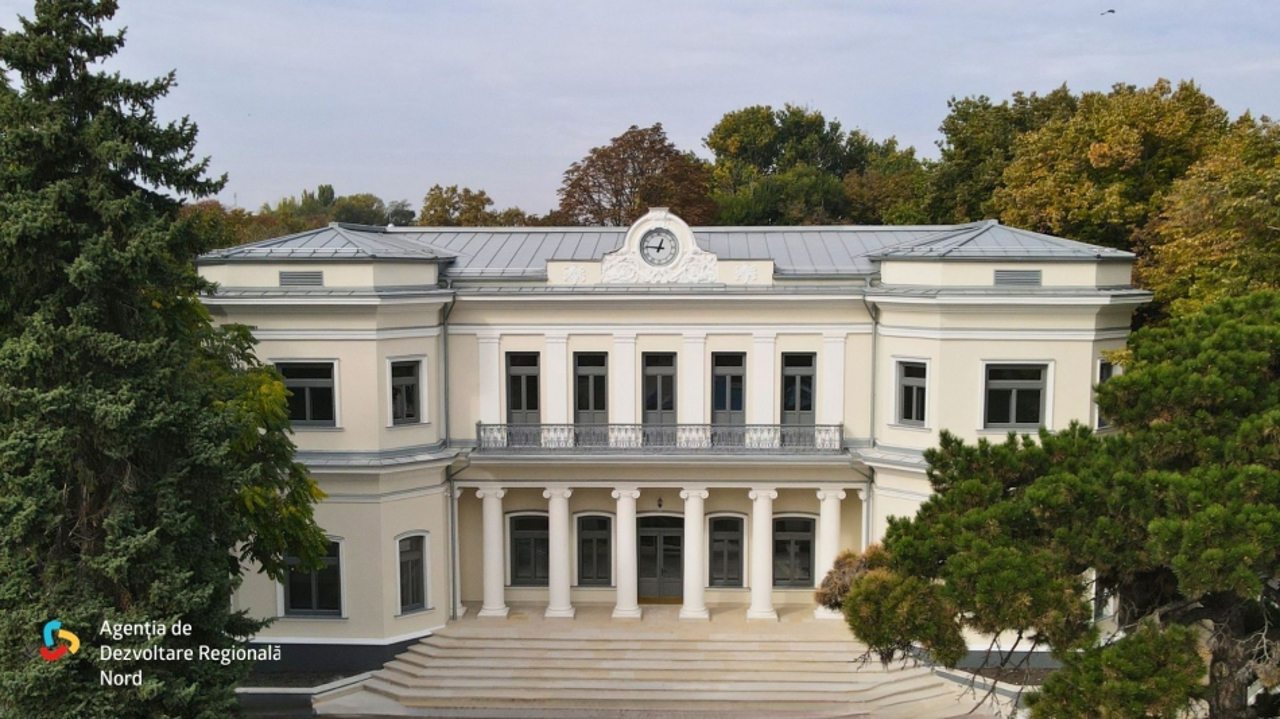
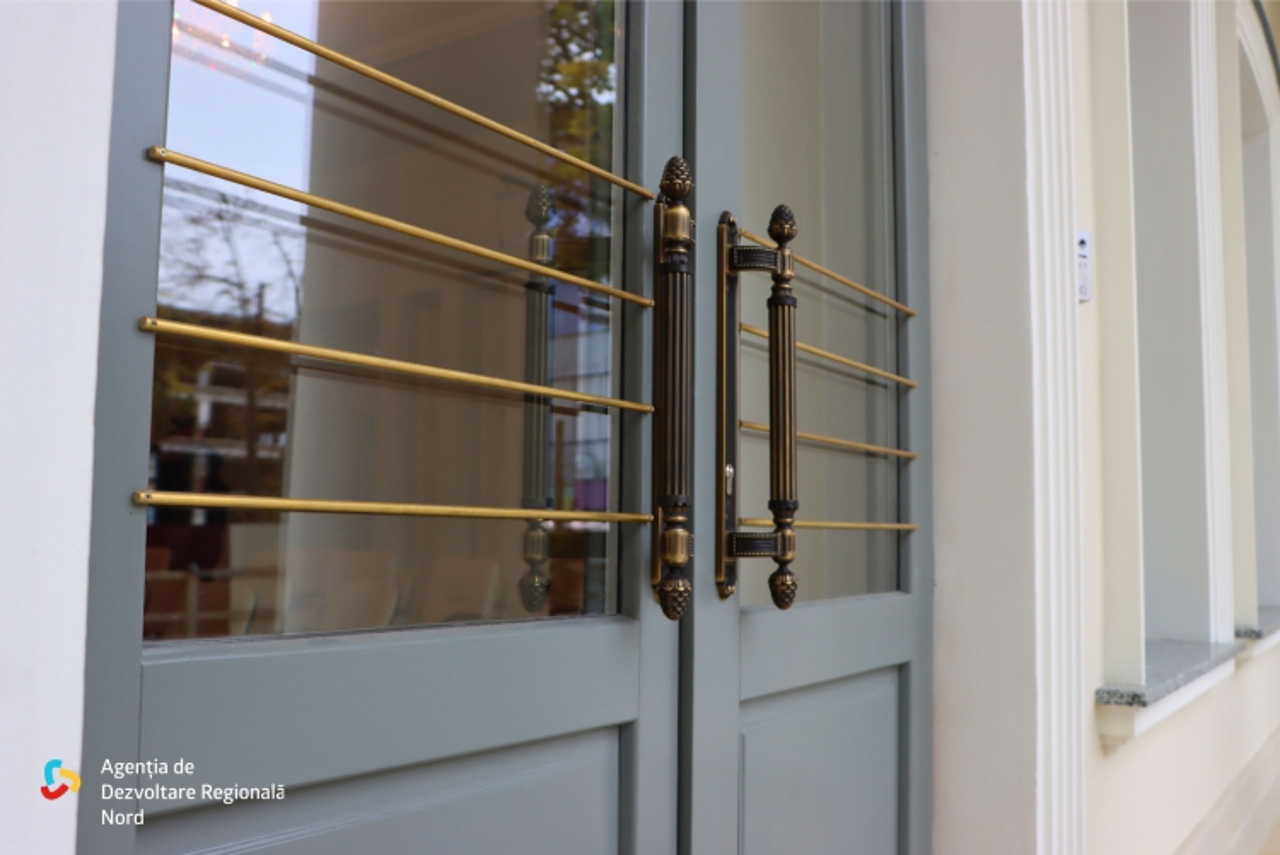
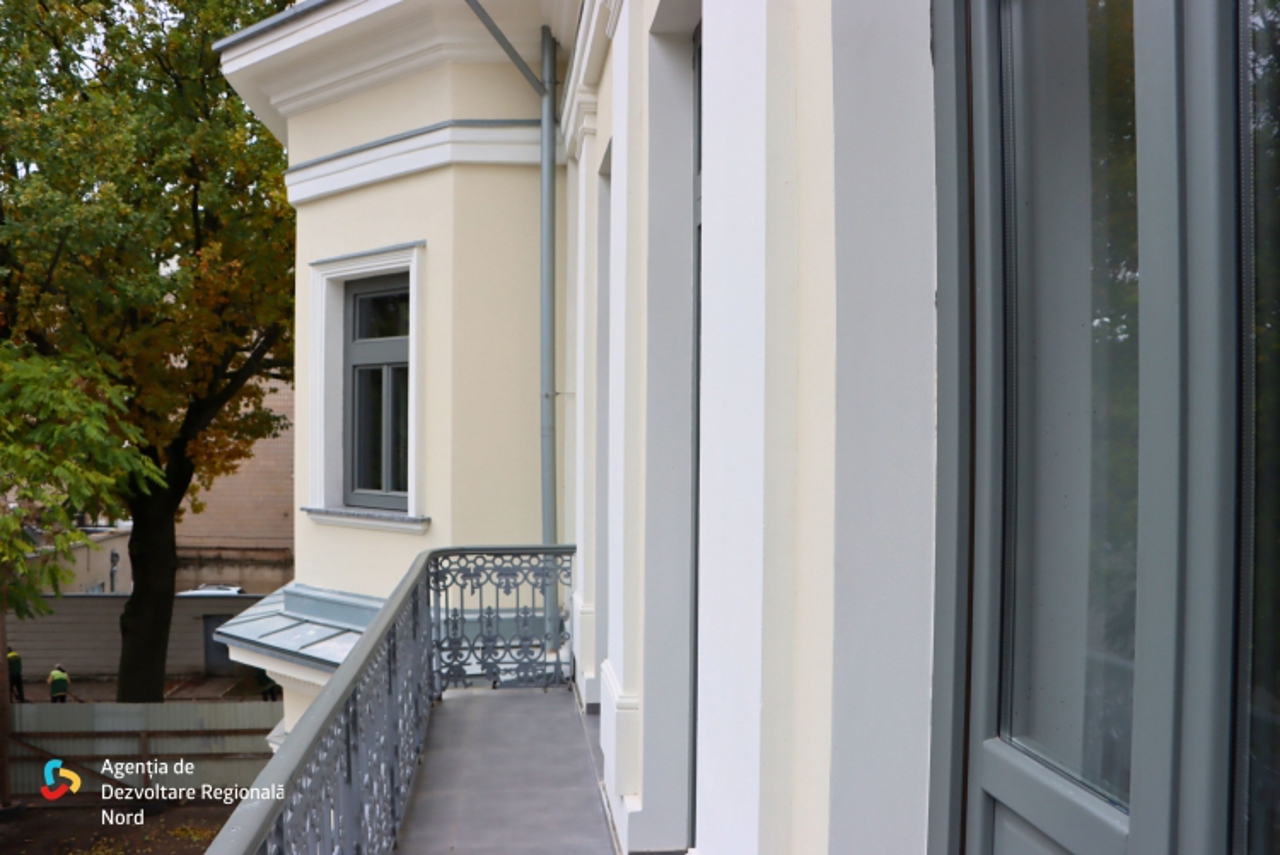
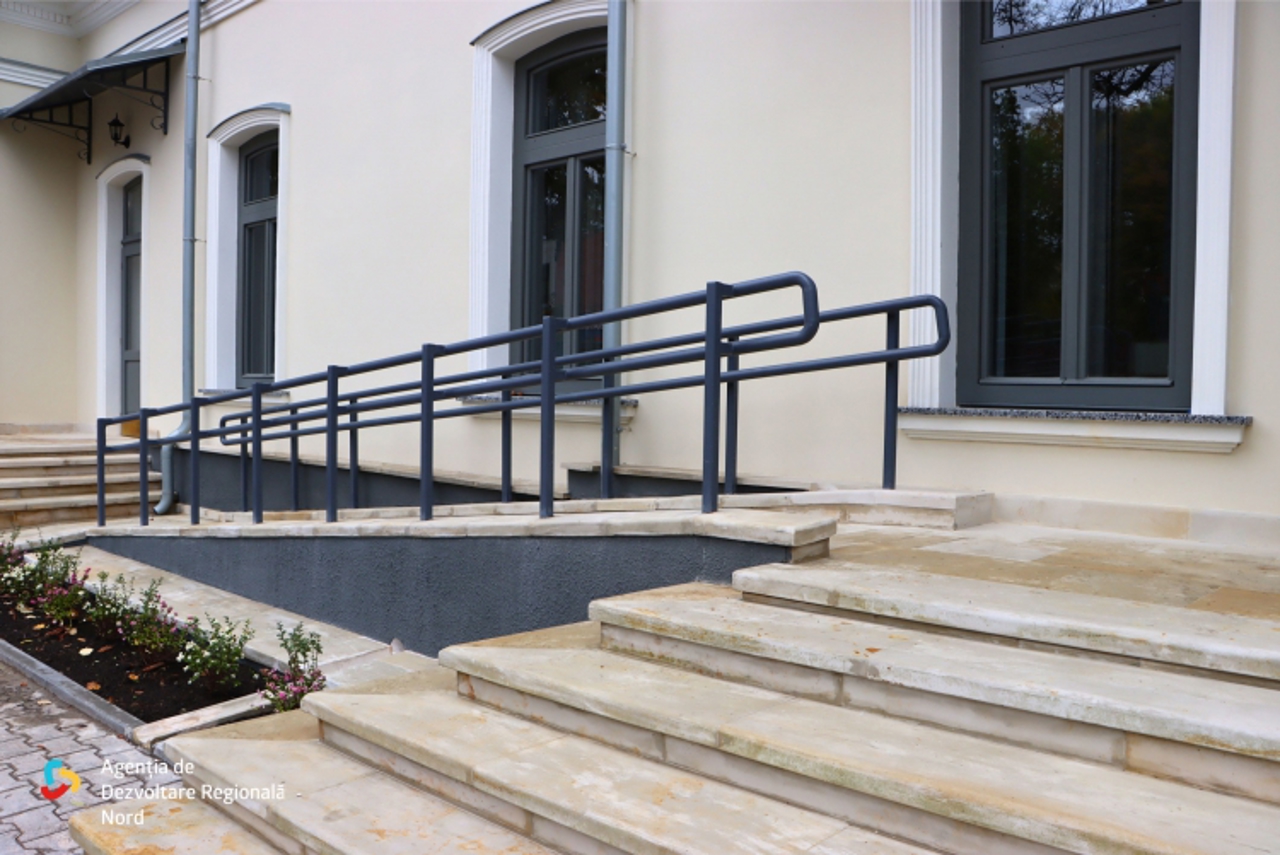
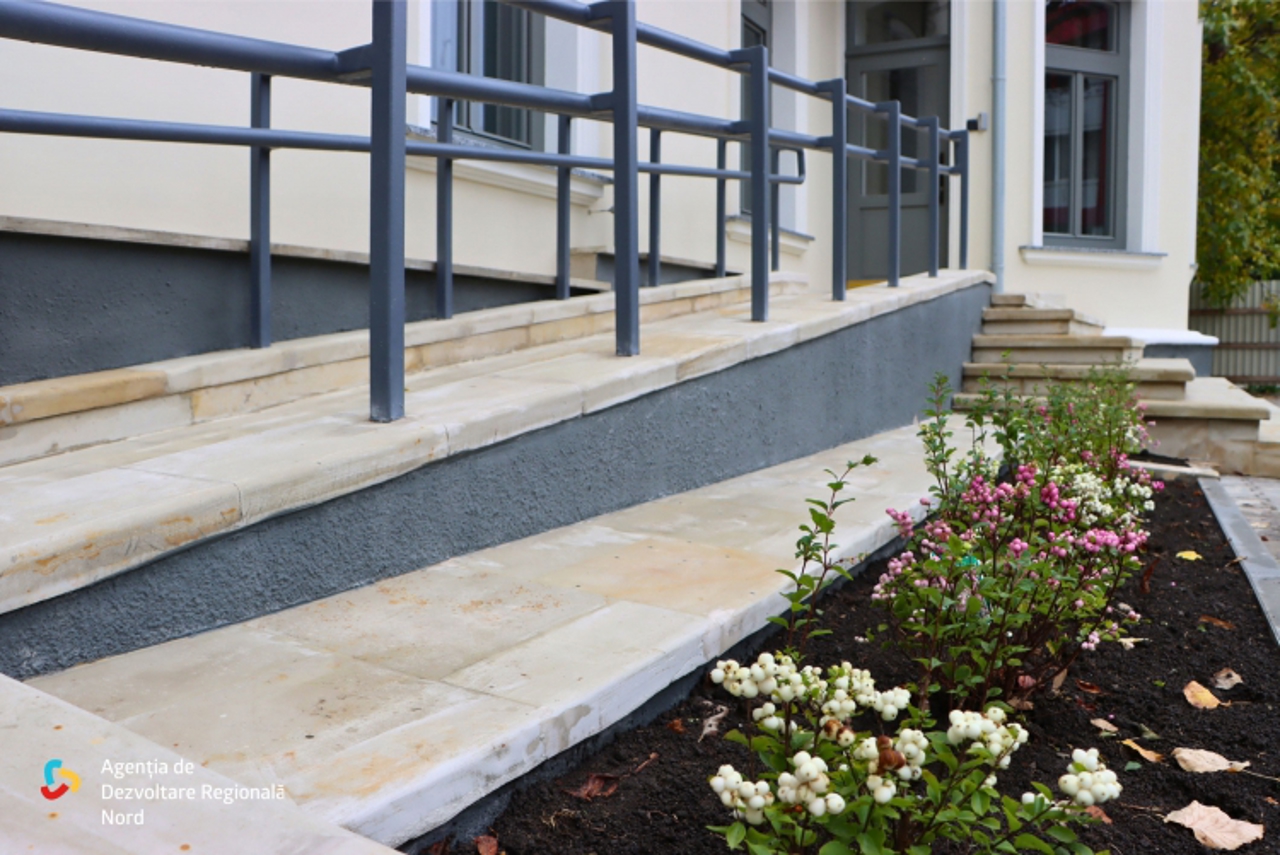
The Bodescu House in the municipality of Bălți—an architectural monument of national importance—has been renovated with an investment of 15.8 million lei, allocated through the National Fund for Regional and Local Development. The project included roof reconstruction, window and door replacement, façade rehabilitation, interior repairs, and modernisation of utility systems.
The works, carried out by the Nord Regional Development Agency (RDA Nord), focused on conserving and rehabilitating the historic building, which had been affected by time.
According to the agency, the renovation of the Bodescu House helps protect the architectural heritage of the municipality of Bălți and supports its use for the benefit of the community and visitors.
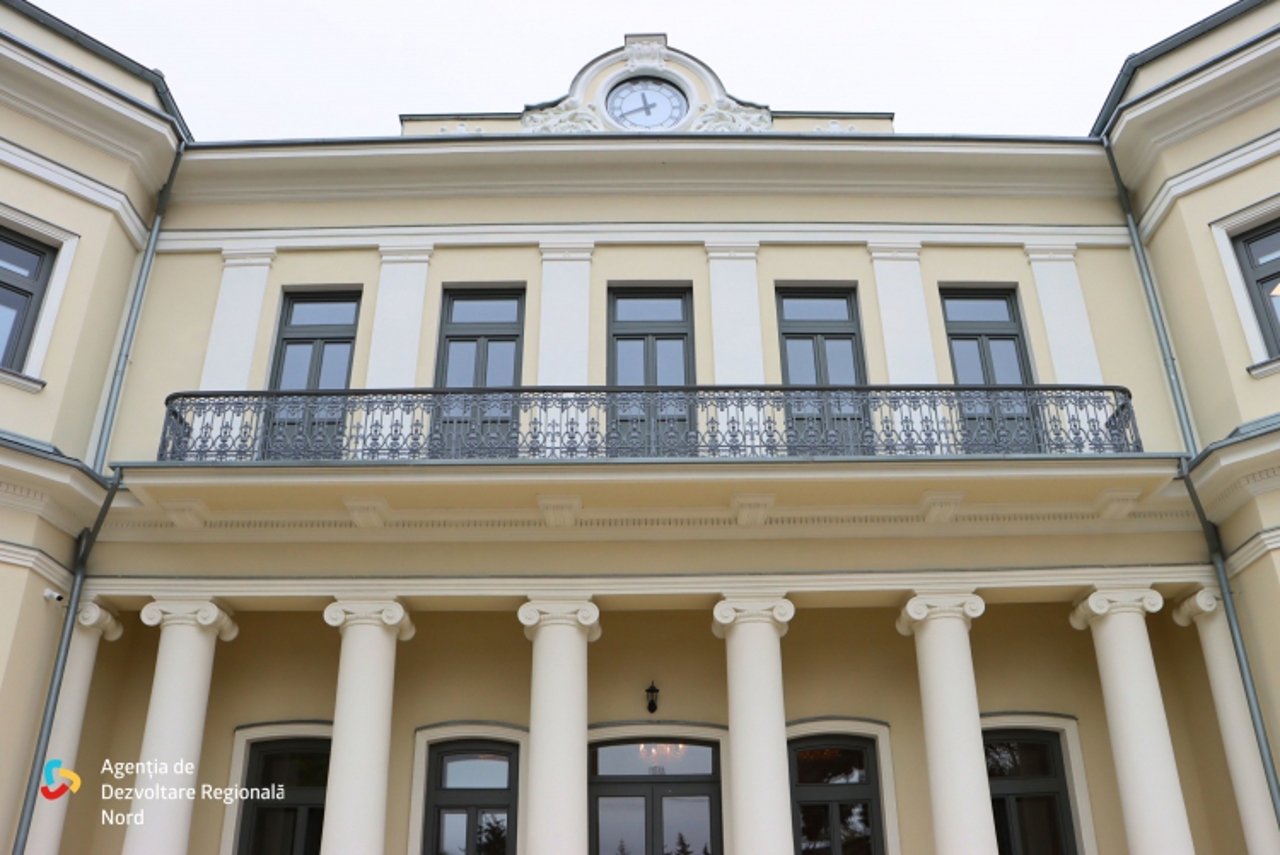
"This historic building, which we will soon inaugurate, maintains a living connection to the town’s history. Preserving it gives the community an opportunity to showcase this history and share it with visitors. To this end, we plan to set up an exhibition hall inside the building, dedicated to the cultural heritage restored with the support of the Government of the Republic of Moldova," stated Maria Prisacari, Head of the Nord Regional Development Agency (ADR Nord).
The transfer of the property to the administration of the Ministry of Infrastructure and Regional Development—under the management of ADR Nord—was approved by the Government in November 2022. Before that, the State Chancellery administered the building, and the Public Services Agency managed it.
A building with a history spanning over a century
The Bodescu House was built in the late 19th century as part of the estate of Alexandru Bodescu, a landowner in the city of Bălți. Originally a single-story structure, it housed the city’s Zemstvo (local assembly) until 1918. During the interwar period, it served as the Prefecture of Bălți County.
In 1934, architect Etti-Rosa Spirer added an additional floor to the building. From the 1950s to the 1960s, the building housed the Pioneers' Palace; from the 1970s onward, it served as the Civil Registry Office.