Maia Sandu signed a decree revoking the Moldovan citizenship of three people
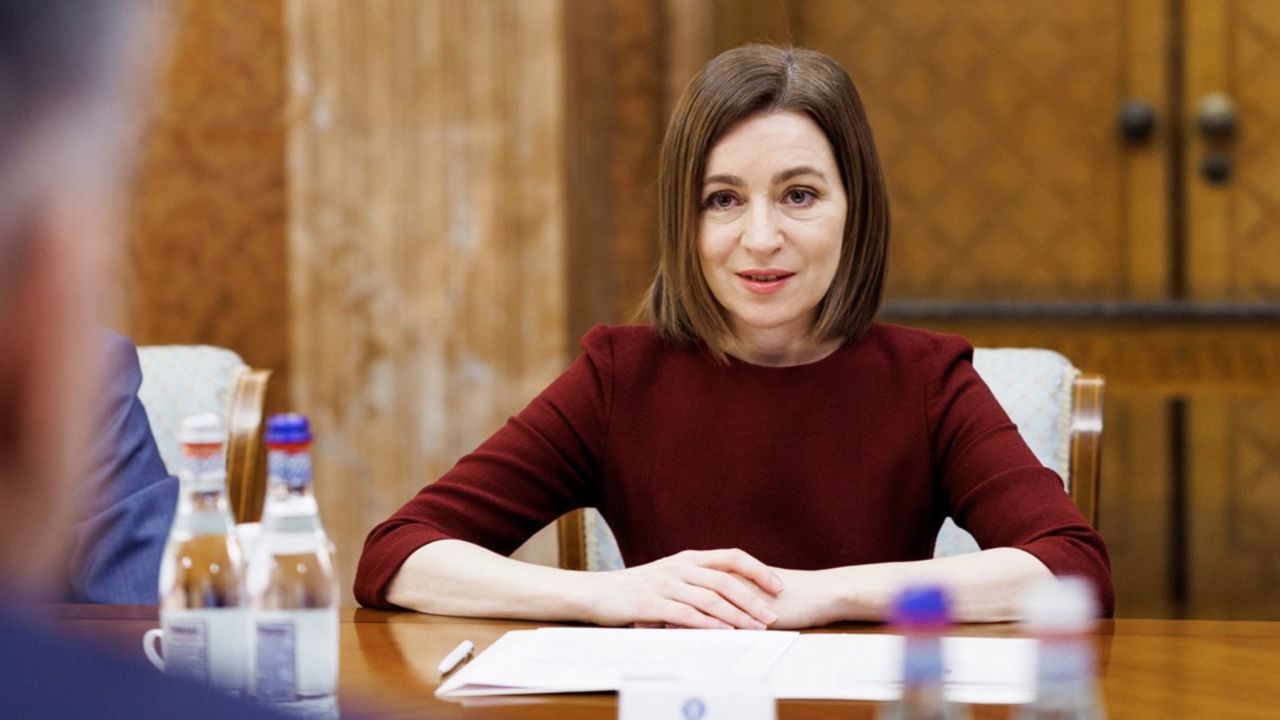
The President of the Republic of Moldova, Maia Sandu, has signed decrees revoking the Moldovan citizenship of three individuals, including two members of the so-called Supreme Soviet in Tiraspol. The third person reportedly obtained citizenship despite a negative assessment issued by the Intelligence and Security Service.
Iurie Cara, Andrei Safonov, and Serghei Verdeș have lost their citizenship of the Republic of Moldova.
According to the Presidency, Iurie Cara and Andrei Safonov participated in adopting unconstitutional acts that violate the rights of citizens of the Republic of Moldova residing in the Transnistrian region. Furthermore, they are alleged to promote the "Russian World" (Russkiy Mir) ideology and advocate for the continued illegal military presence of the Russian Federation within the country's territory.
In Serghei Verdeș's case, the authorities say he obtained Moldovan citizenship in violation of legal procedures. The Public Services Agency initiated the process to revoke his citizenship, based on findings by the Intelligence and Security Service (SIS).
Who are the two members of the so-called "Supreme Soviet" who have lost their citizenship?
Iurie Cara is a politician from the Transnistrian region. A graduate of the State University of Chișinău, he worked in enterprise management. From 2014, he served as chairman of the so-called City Council of People's Deputies in Bender (Tighina) before joining the "Supreme Soviet" in November 2015.
In his public statements, Cara has criticized the actions of the Chișinău authorities regarding the Transnistrian region and has promoted the development of relations with Russia and Belarus.
Andrei Safonov is a politician, journalist, and political analyst from the Transnistrian region. He served as a deputy in the Republic of Moldova's first Parliament from 1990 to 1994. Subsequently, he became involved in the structures of the separatist administration in Tiraspol, serving for several years as the so-called Minister of Education. He is also the founder of the Olvia Press agency and the publication Novaia Gazeta. From 2015 onward, he served as a deputy in the so-called Supreme Soviet in Tiraspol.
In the public sphere, Safonov has advocated for the independence of the Transnistrian region and has repeatedly criticized the authorities in Chișinău. Certain publications and fact-checking platforms in the Republic of Moldova have linked him to promoting propaganda narratives and disinformation.
The law allows the revocation of citizenship under specific conditions, including when it was acquired by circumventing legal requirements. Applying this measure must follow the relevant legal grounds and procedures.
Decrees revoking the citizenship of individuals who held positions within the unconstitutional structures on the left bank of the Nistru have been signed previously; in February, the Republic of Moldova stripped nine people of their citizenship.
In March, Ruslan Mova—the former head of the so-called Ministry of Internal Affairs in the Transnistrian region—was denied entry into the Republic of Moldova after President Maia Sandu revoked his citizenship via a presidential decree. Mova led this separatist structure from 2016 to 2021.
On May 25, 2026, President Maia Sandu revoked the citizenship of the Republic of Moldova from five officers belonging to the so-called Ministry of Security in the Transnistrian region: Alexandr Bulgaz, Denis Caramanuța, Nicolai Covaliov, Denis Marusic, and Evgheni Romaniuc.