Radio Moldova celebrates 98 years with the "People, Voices, Destinies" gala
On Sunday, Radio Moldova marks 98 years since its first broadcast with a gala celebrating the individuals, teams, and departments whose work supports the development of public radio, promotes national values, and preserves the Republic of Moldova’s cultural and audio heritage.
During the 2026 Radio Moldova Awards Gala, several editorial teams, departments, and artistic groups from the "Teleradio-Moldova" Company were honored for their professionalism, creativity, contribution to informing the public, and promotion of culture. The event brought together generations of radio professionals—both past and present employees—as well as prominent cultural figures and representatives from partner institutions.
The gala was organized to mark National Radio Day, celebrated annually on November 1st—a date commemorating November 1, 1928, when the first signals from a radio station in the territory between the Prut and the Nistru rivers were broadcast. The Government established this national observance in 2023 as a gesture of appreciation for the work across the Republic of Moldova.
In a message addressed to the staff, Ecaterina Cheptănaru, Director General of the "Teleradio-Moldova" Company, highlighted the historical and identity-defining role of public radio, as well as the vital contribution of the individuals who ensure its continuity.
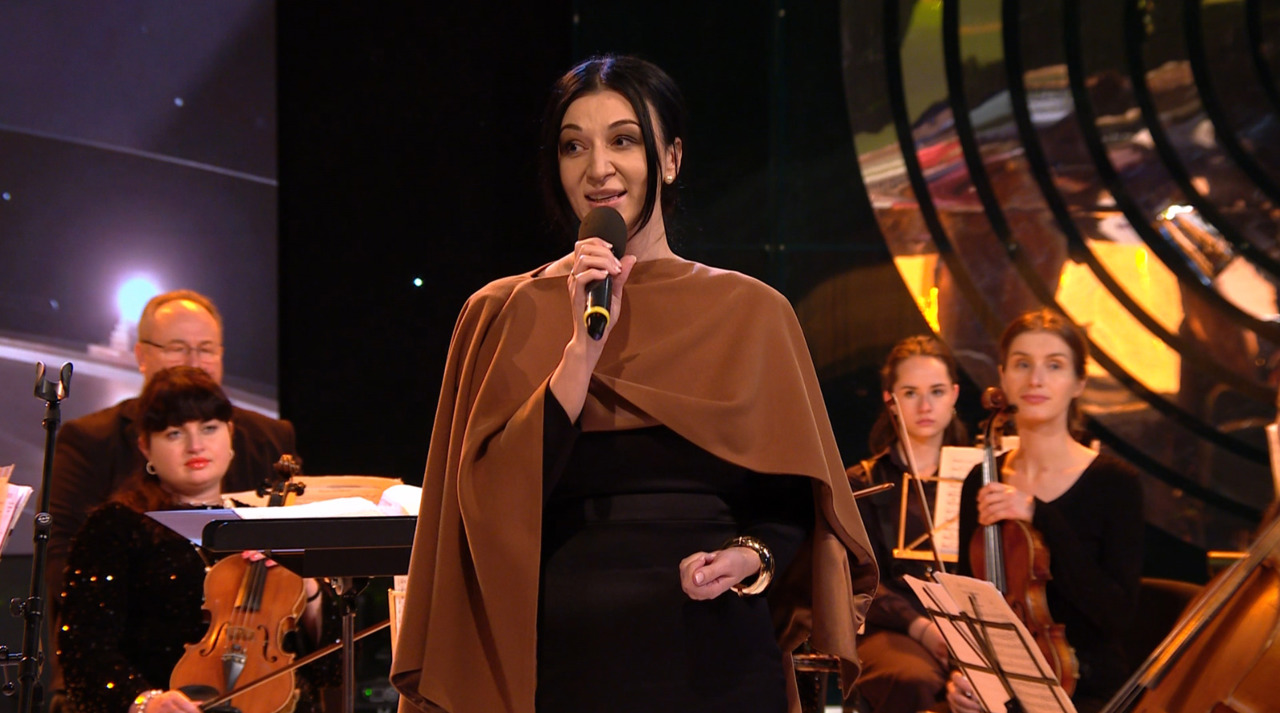
“Behind the voices we hear every day are people who work tirelessly to ensure that Radio Moldova remains a trusted source of truth and a guardian of our national identity,” the Director General said.
She recalled that, from its first broadcasts during the interwar period to the present day, Radio Moldova has witnessed society’s transformations, educated generations, and promoted national values. She also thanked the staff for their hard work, dedication, and selflessness.
“Thank you for your dedication and selflessness. Thank you for everything you do to keep Radio Moldova alive,” said Ecaterina Cheptănaru.
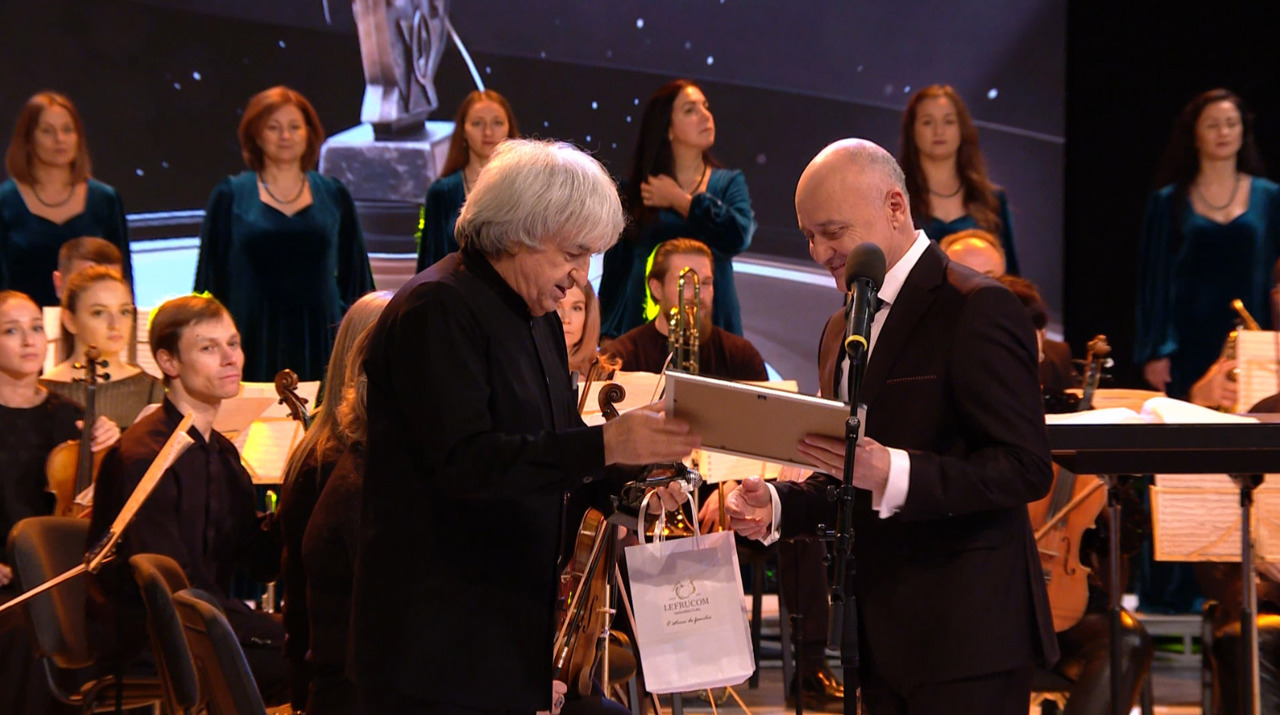
One of the evening’s first awards went to Radio Moldova Music, recognising its professionalism, its contribution to fostering good taste, and its role in enriching the national cultural and musical heritage. Composer and conductor Gheorghe Mustea presented the distinction to the department’s head, Ion Chiorpec.
The master highlighted the importance of promoting music and radio's role in broadcasting Moldovan musical works abroad. He noted that the orchestra’s recordings and concerts reach audiences in 76 countries, thanks to the collaboration with Radio Moldova Music.
For his part, Ion Chiorpec pointed out that the station has reached its 18th year of operation—a milestone he described as the "age of maturity"—and thanked his team for their dedication, as well as the listeners for their appreciation of quality.
“Indeed, all our content is shared with the European Broadcasting Union. I would like to thank my colleagues for their dedication, and our listeners for choosing quality. Happy anniversary!”
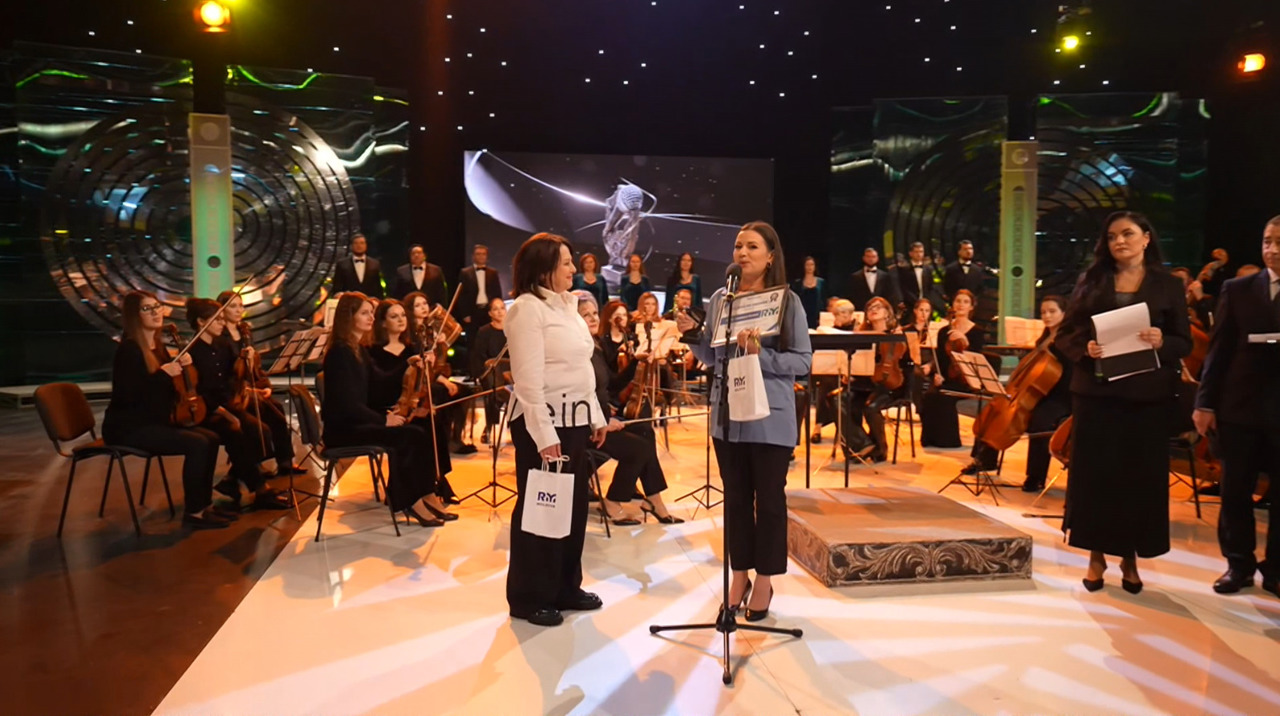
Radio Moldova Youth was honored for its role in educating a new generation of listeners and for contributing to the development of a media space tailored to young people. Journalist Tatiana Bunduchi presented the award to the department’s head, Elena Stegari.
Tatiana Bunduchi commended the station’s progress—noting that, after 14 years of operation, it is expanding both its team and its reach—and encouraged young journalists to experiment and venture out of the studio more often to engage directly with their audience.
"Be bold—step out of the Radio Moldova Youth studio, meet your listeners, and host shows, debates, and broadcasts from outside the studio," the journalist urged.
Accepting the award on behalf of the entire team, Elena Stegari expressed her gratitude, noting that Radio Moldova Youth is a deeply meaningful project and an essential journalism school.
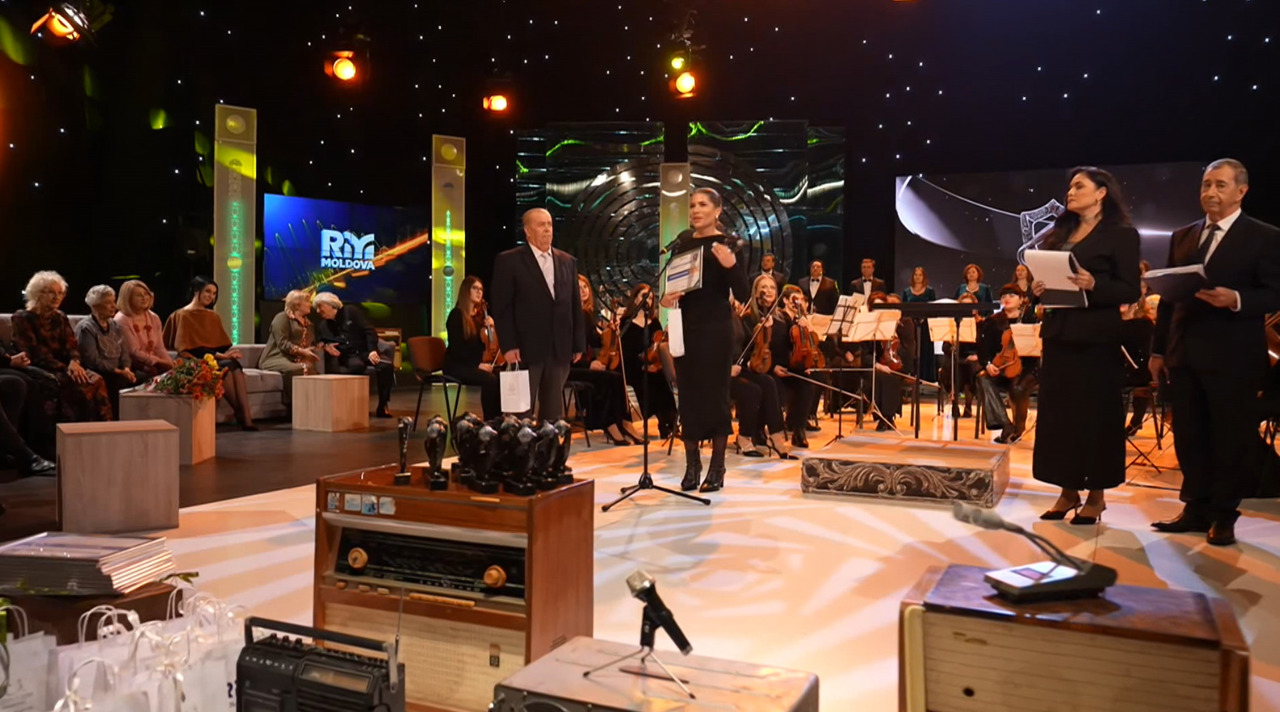
Another award was presented to the Radio Moldova Comrat editorial team for covering the realities within the Autonomous Territorial Unit of Gagauzia, promoting multi-ethnic values, and strengthening social and cultural cohesion. Journalist Gheorghe Barbarov presented the distinction to program producer Corina Ceprazova.
In her remarks, she spoke about the role of programs in the Gagauz language—which have been part of Radio Moldova since 1986—and the responsibility to carry on the work of previous generations.
"98 years of history entail a great responsibility; for us in the Autonomous Territorial Unit of Gagauzia, it also represents a bridge to Chișinău—a bridge for connection, dialogue, and mutual appreciation," stated Corina Ceprazova.
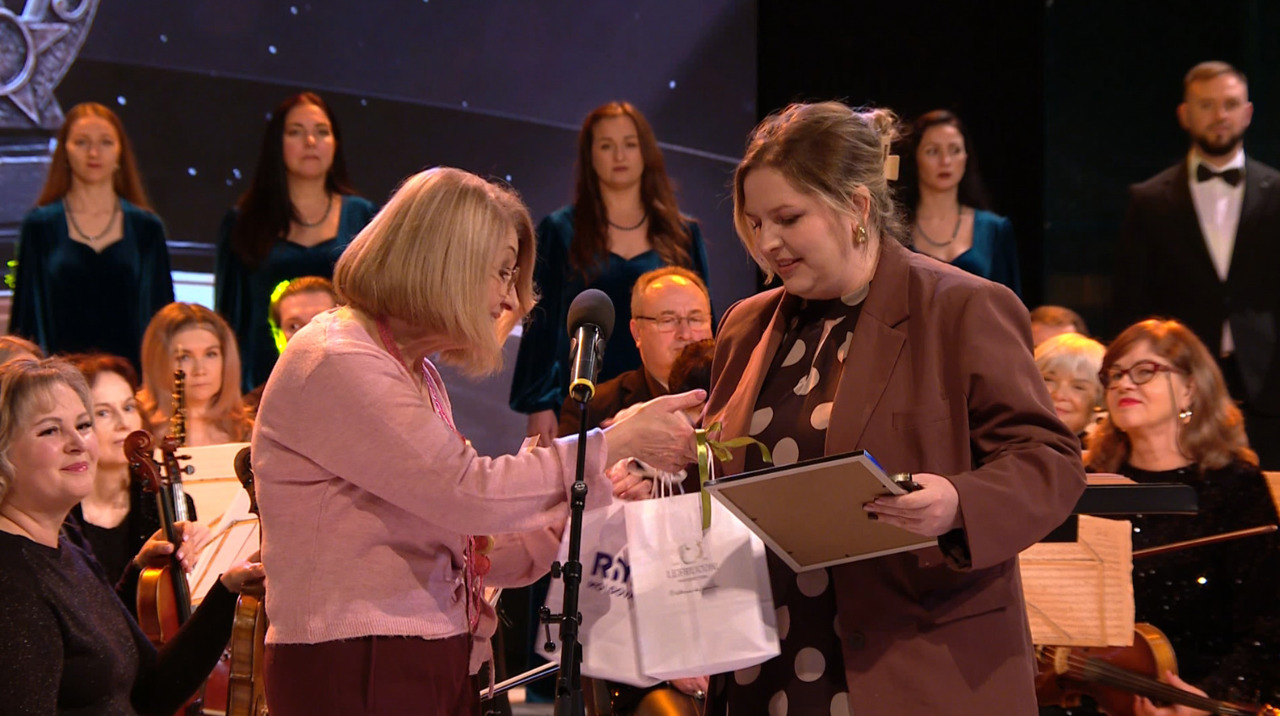
The Newsroom department was honored for its promptness, impartiality, and professionalism in covering events, as well as for upholding the citizens' right to be informed. Radio personality Maricica Munteanu presented the award to reporter Olga Mînzat.
Maricica Munteanu commended the news team—who keep the public informed about the country's most significant events—and encouraged the editorial staff to maintain their high standards of professionalism and continue serving as a model for other media outlets.
Speaking on behalf of her colleagues, Olga Mînzat expressed her gratitude, noting that the team works every day to bring listeners the latest and most important news from across the country.
"We want you to listen to us every day, every hour—because we broadcast news every single hour", the journalist said.
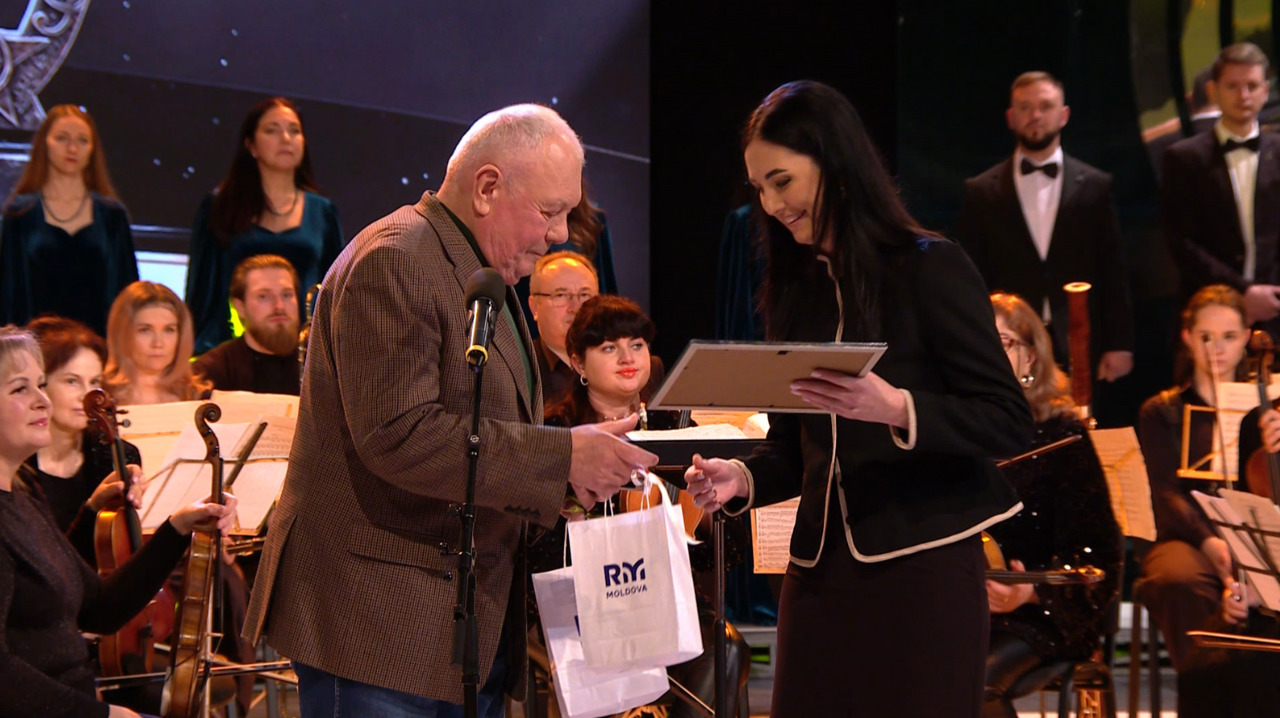
The gala continued with an award presented to the Current Affairs and Debates Department for promoting democratic values through public debates and in-depth analysis of domestic and international socio-political realities. Radio personality and media expert Alexandru Dorogan presented the trophy to producer Viorica Rusica.
Alexandru Dorogan highlighted the importance of public radio opening its doors to debates and interactive programming, and commended the quality of the department's journalistic work.
In turn, Viorica Rusica dedicated the award to the entire team and spoke about journalists' responsibility to seek answers to citizens' concerns and demand explanations from authorities and experts.
"Every single day, we knock on the doors of the authorities to find answers to your problems. We strive to connect with specialists and experts who can help clarify things we don’t fully understand—and, as best we can, to find solutions," the producer noted.
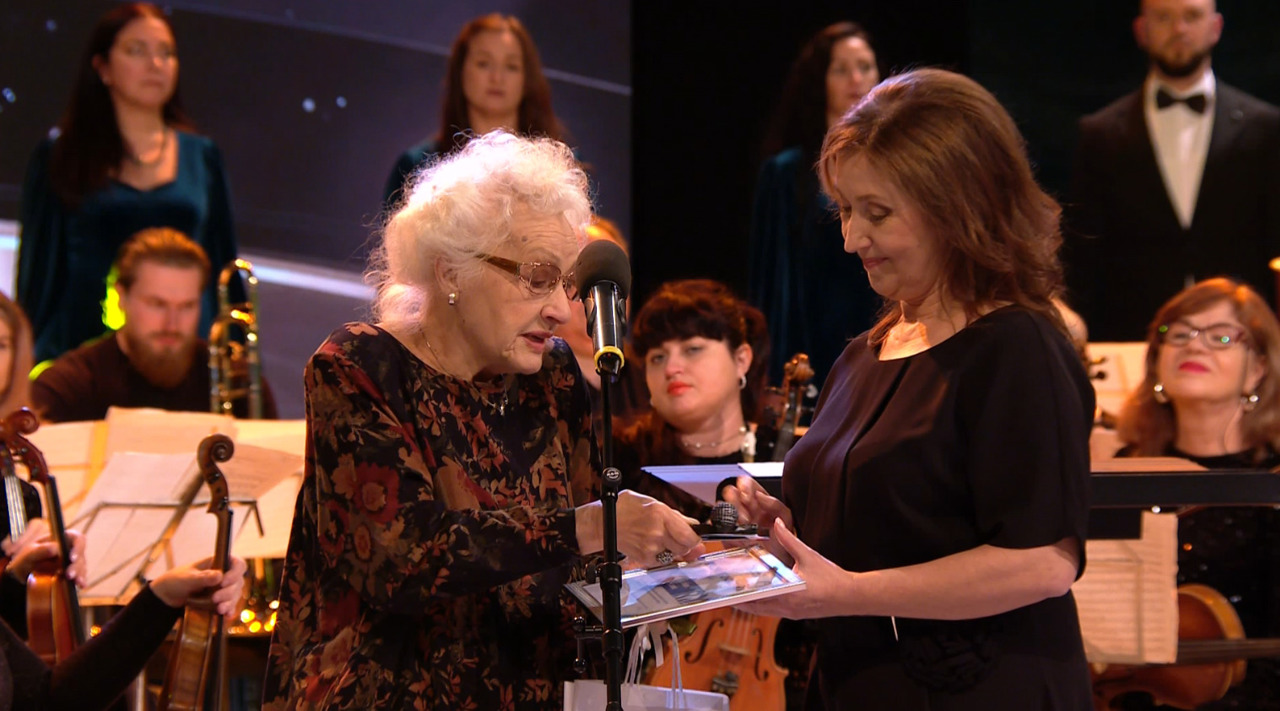
The Socio-Cultural Programs Department was recognized for its professionalism and contribution to the art of radio broadcasting, as well as its role in educating audiences and promoting national and universal cultural values. Radio presenter Tamara Berzoi presented the award to producer Svetlana Sîrbu.
The ceremony brought together former and current radio professionals for an emotional reunion. Tamara Berzoi reflected on her years at the institution, highlighting the special bond between generations—a connection built on a shared passion for radio and deep respect for listeners.
Svetlana Sîrbu thanked her colleagues for the recognition, noting that cultural work requires tremendous effort, dedication, and a strong sense of responsibility.
“Beyond its dictionary definition, culture means soul, dedication, color, the spoken word, tears, and sleepless nights—but it also brings the deep satisfaction of a job well done,” the producer said.
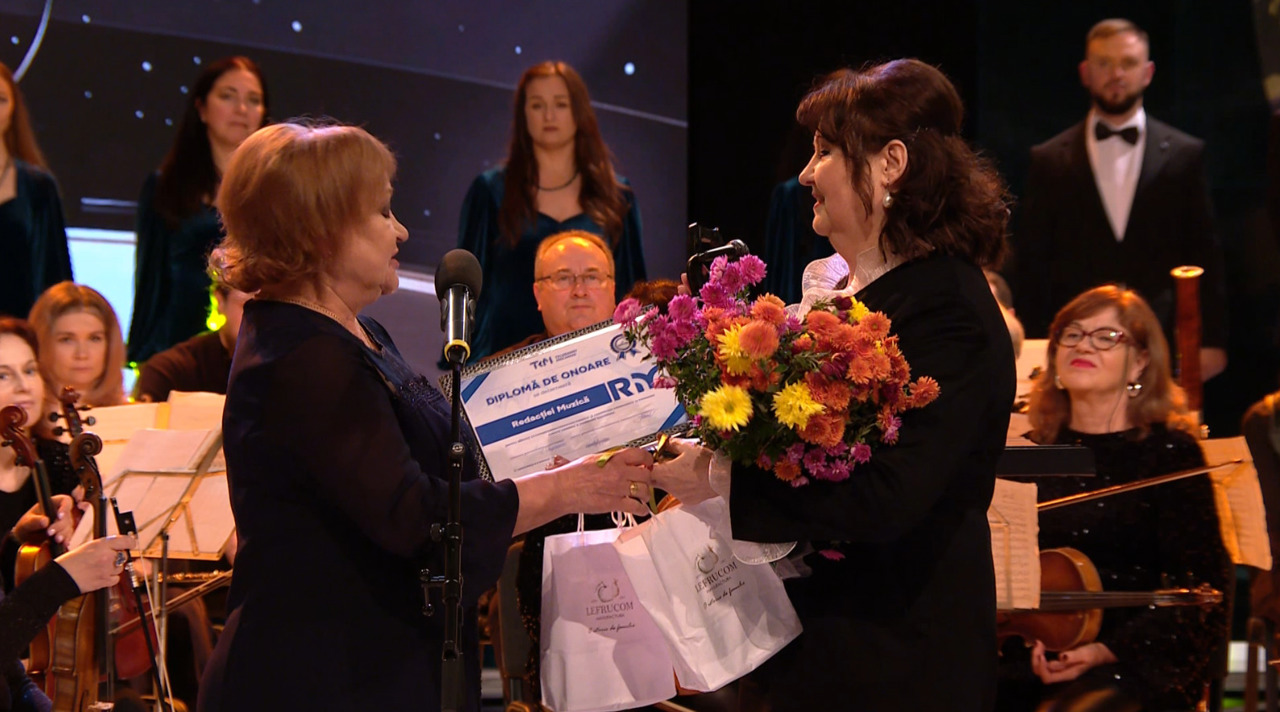
The Music Department received an award for its dedication to preserving the country’s musical heritage and nurturing the public’s appreciation of aesthetics. Former music editor Larisa Tălămbuță presented the trophy to music program producer Veta Ghimpu-Munteanu.
With 49 years of radio experience, Larisa Tălămbuță shared words of appreciation and encouragement with her former and current colleagues, urging them to remain dedicated to public broadcasting.
Veta Ghimpu-Munteanu accepted the award with deep emotion, dedicating it to her department colleagues and everyone involved in producing music programs.
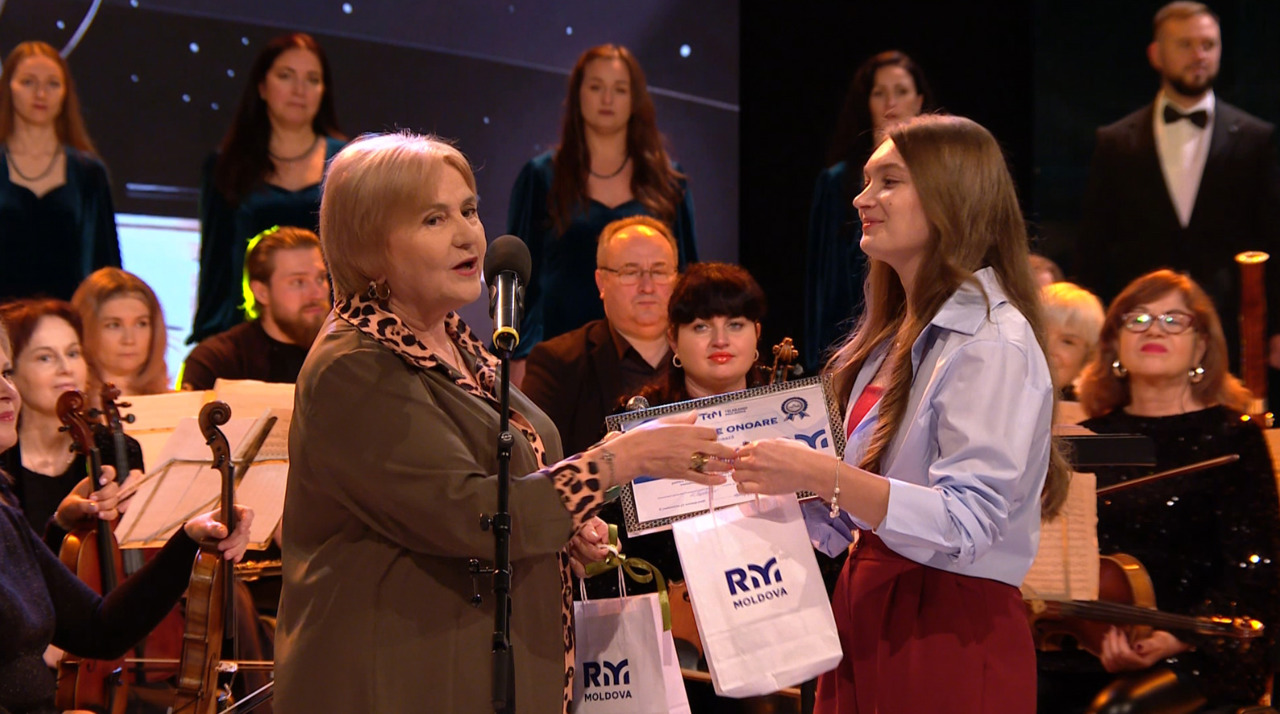
The Multimedia Production Department for Children was honored for its creativity in developing educational content and for its innovative adaptation of radio programs to new media formats. The award was presented to producer Cristina Sîrbu by author Claudia Partole.
Sîrbu spoke about the role of radio in educating generations of children and the institution’s contribution to shaping a young audience. Among other initiatives, she highlighted the program "Zuper Amicii"—an educational production for children in the Republic of Moldova that includes news explained in a way they can easily understand.
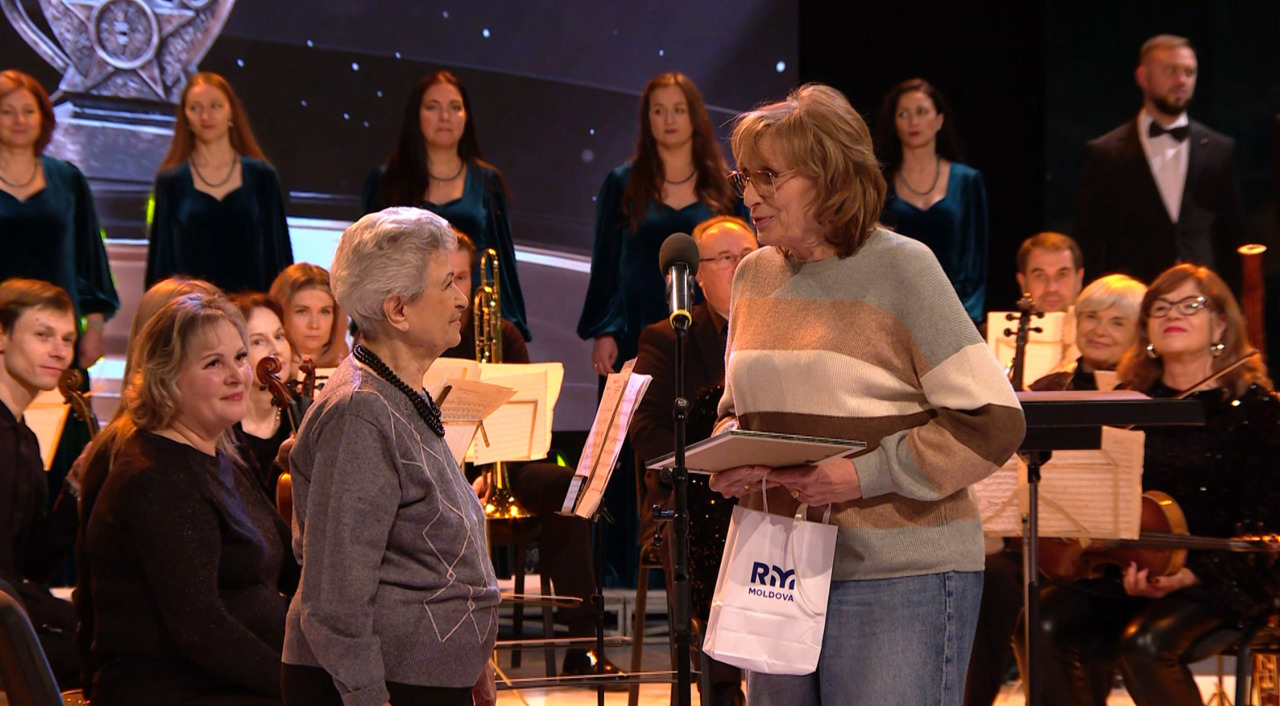
The Heritage Department was also honored for its work in preserving, digitizing, and promoting the country’s historical and audio heritage. Broadcaster Vera Mereuță presented the award to coordinating editor Victoria Roșca.
In her speech, the presenter emphasized the importance of preserving decades of recordings and ensuring that the nation’s cultural memory is passed on to future generations.
Victoria Roșca highlighted that the Radio Moldova Sound Archive preserves the voices of unforgettable figures and recordings of prominent personalities, representing an invaluable part of the country’s history.
“This treasure is priceless, and I would like no one to forget that all these recordings are history—the history of our people and our country,” the coordinating editor said.
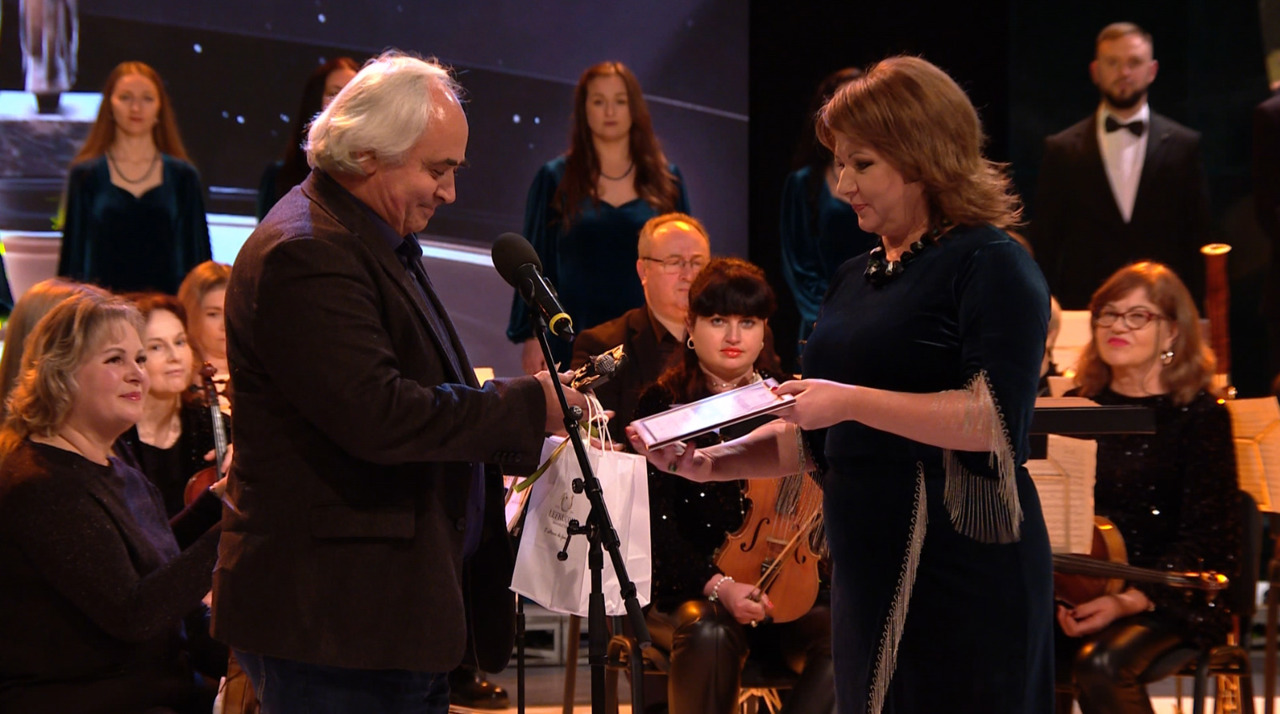
The Radio Directing Department was also recognized for its professionalism and contribution to preserving and promoting the country’s historical and sonic heritage. Petru Hadârcă, director of the “Mihai Eminescu” National Theatre, presented the award to department head Domnița Jechiu.
He highlighted the rich tradition of radio drama and the essential role sound directors play in bringing high-quality artistic productions to life.
“You deserve more than awards or trophies—you deserve monuments built in your honor,” Petru Hadârcă told the radio professionals.
Domnița Jechiu thanked the organizers for the recognition, emphasizing that the trophy belongs to the entire team, whose members share a deep passion for their work.
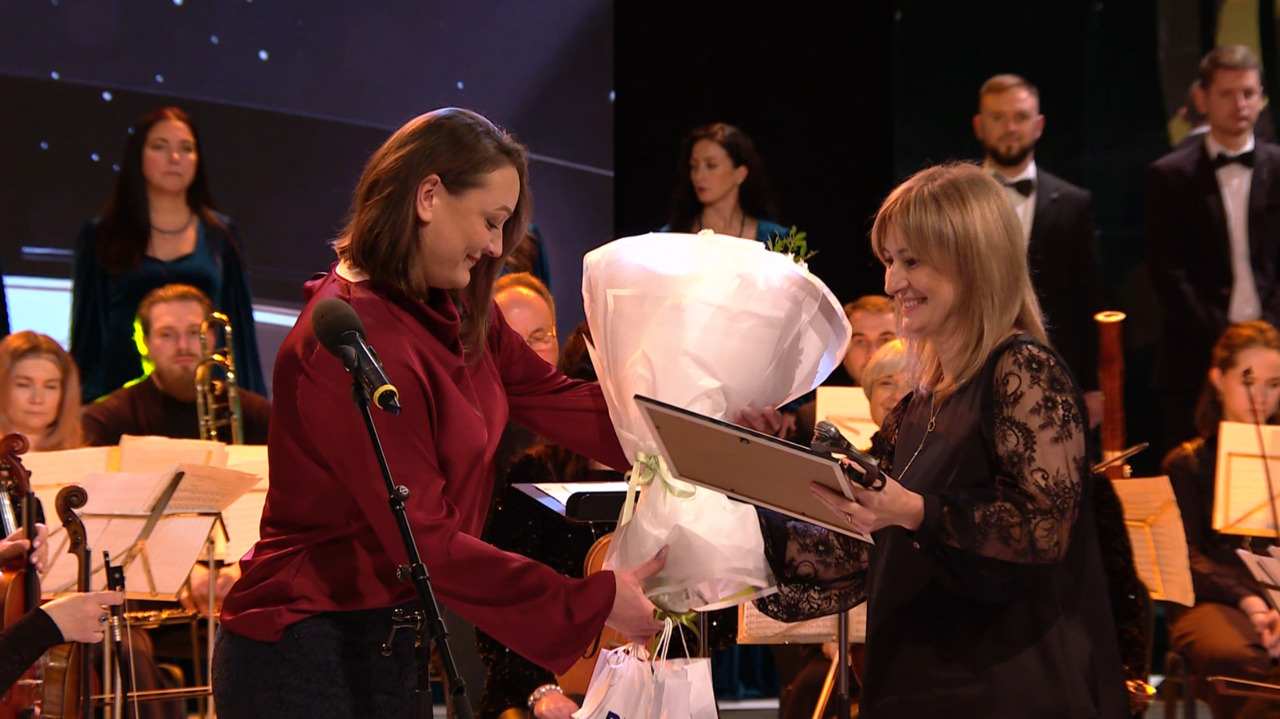
The Radio Technical Center was recognized for its prompt and high-quality maintenance of broadcasting infrastructure, ensuring the continuity, stability, and nationwide coverage of radio programs. Maria Sîrbu, a representative of the state-owned company "Radiocomunicații", presented the award to broadcast engineer Rodica Chirtoacă.
The recognition highlights the dedication of specialists who work behind the scenes to keep radio services running smoothly and without interruption.
Rodica Chirtoacă emphasized that the Radio Technical Center team works around the clock, including on holidays, to ensure that radio programs reach listeners with excellent sound quality and reliable transmission.
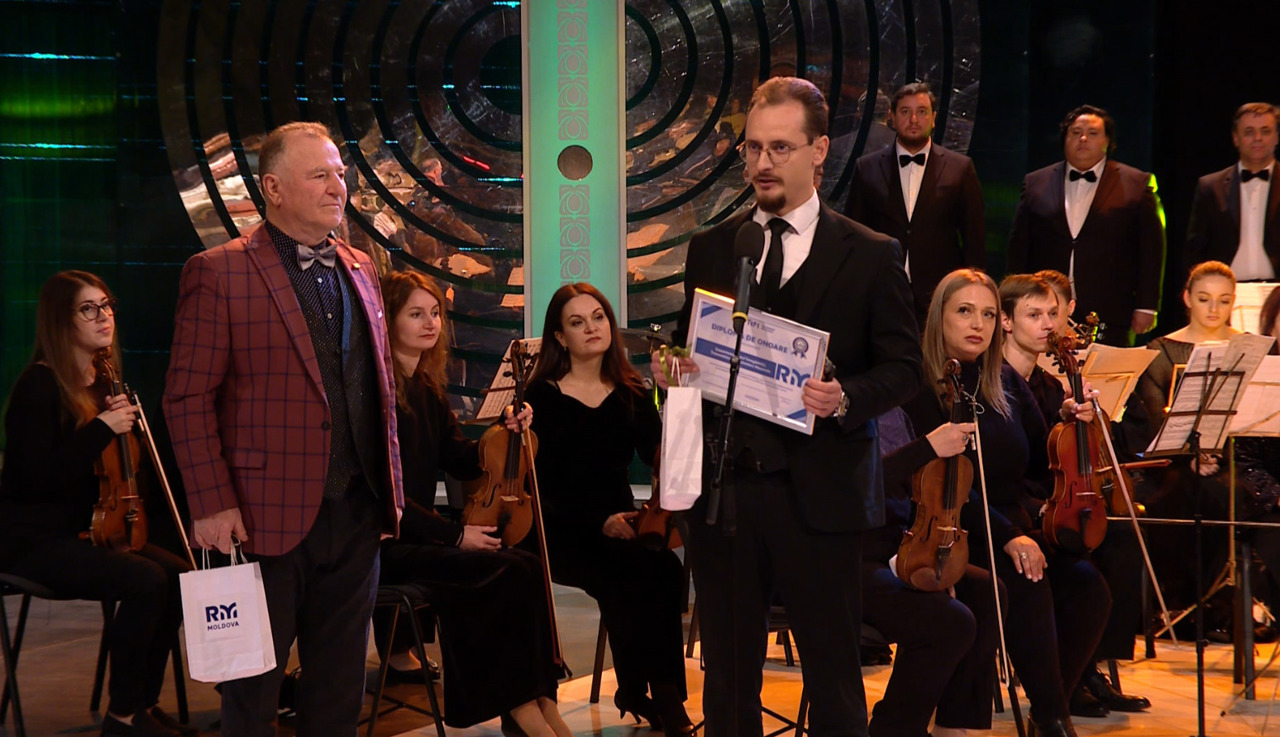
The gala also highlighted the contribution of the company’s artistic ensembles. Among the award recipients was the Department of Musical Ensembles. Composer Vlad Burlea presented the award to the department head, Sergiu Garabajii.
"My personal and professional experiences in Cluj, Bucharest, and Vienna, offered me diverse perspectives on art, research, and management—as well as insight into how cultural institutions foster and secure an essential place within society. I believe that such professional experience truly finds its purpose when, upon returning home, the knowledge gained is shared and transformed into a meaningful contribution", said Sergiu Garabajii.
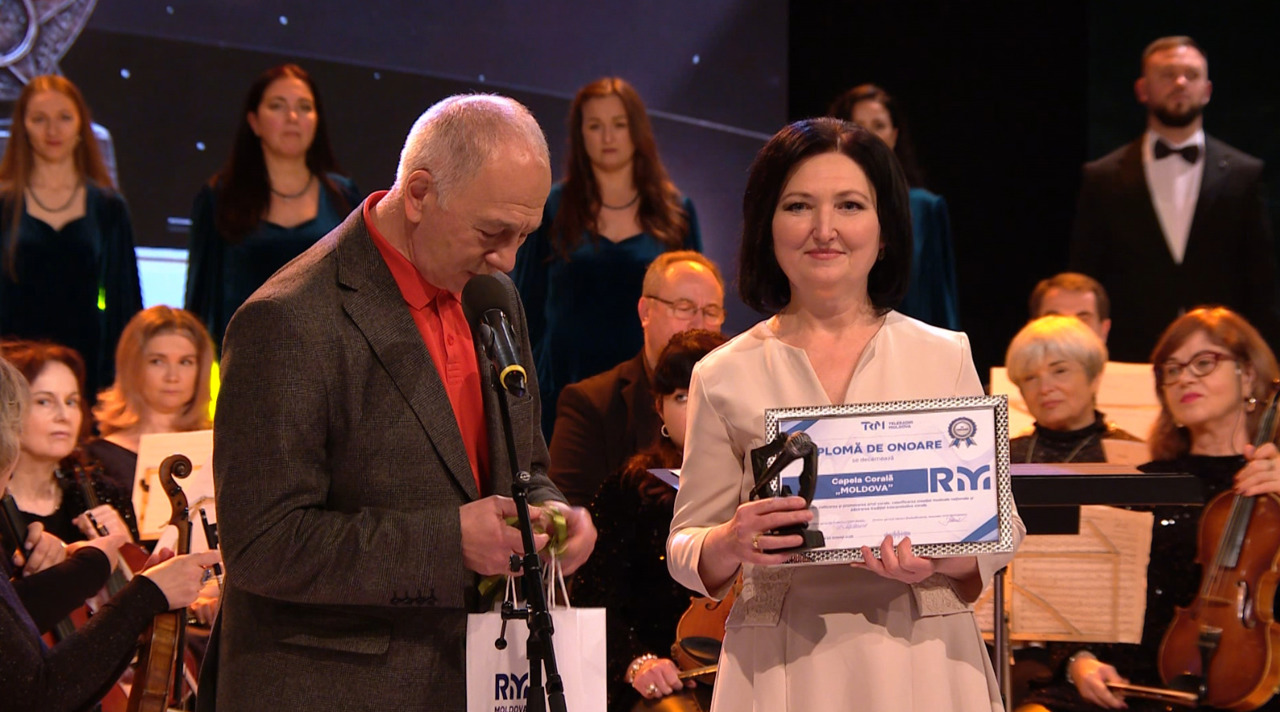
The "Moldova" Choral Chapel was also honored for its dedication to preserving musical heritage and its contribution to the development of cultural life. The National Philharmonic's artistic director, composer Marian Stârcea, presented the award to conductor Gabriela Tocari.
Gabriela Tocari spoke about her 20 years with the radio station and the responsibility of continuing the tradition established by the conductors who have led the choral ensemble over the years.
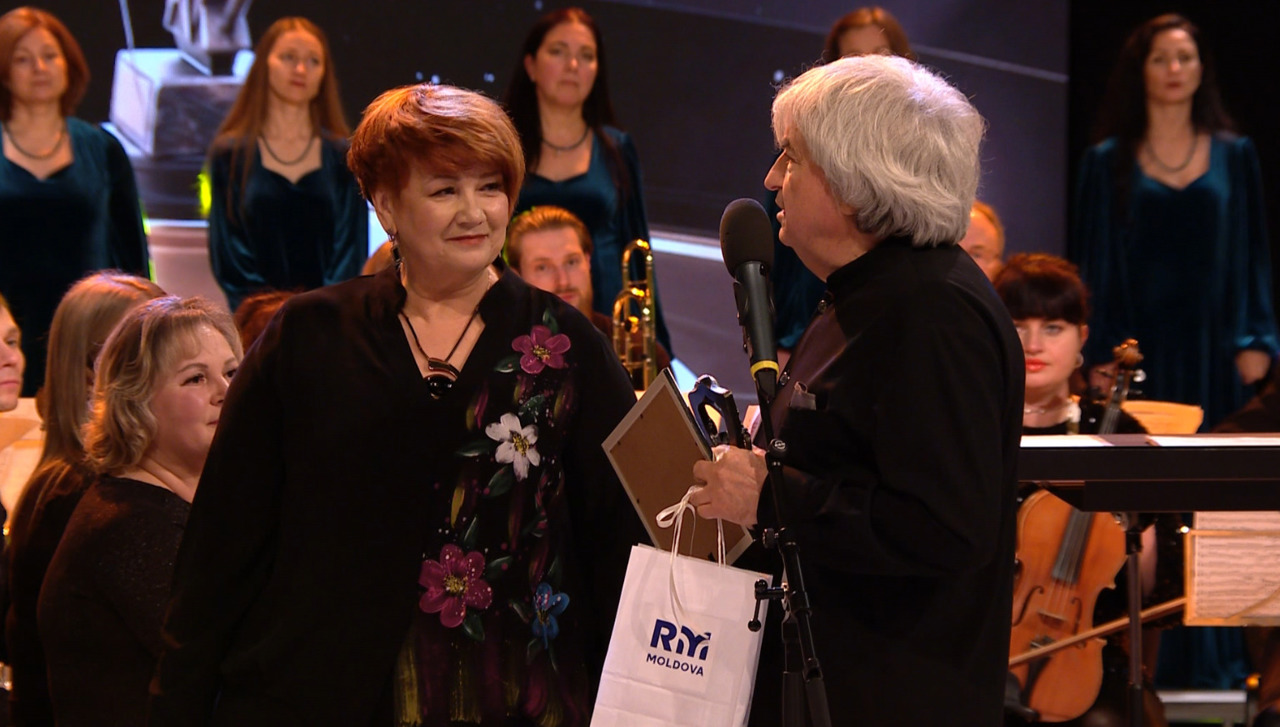
During the ceremony, the National Symphony Orchestra of the "Teleradio-Moldova" Company was also honored for its performance excellence, the promotion of the symphonic repertoire, and its consistent contribution to musical productions and the sonic heritage. Natalia Moraru Vasilcău, a TV producer at Moldova 1, presented the award to the orchestra’s artistic director and conductor, Academician Gheorghe Mustea.
The conductor noted that the orchestra—marking 76 years since its founding—is a collective of professionals who promote music both in the country and abroad. He also spoke about the importance of collaboration between radio and television staff in preserving cultural heritage.
"Radio does not merely transmit sounds; it keeps the memory, culture, and consciousness of a people alive", said Gheorghe Mustea.
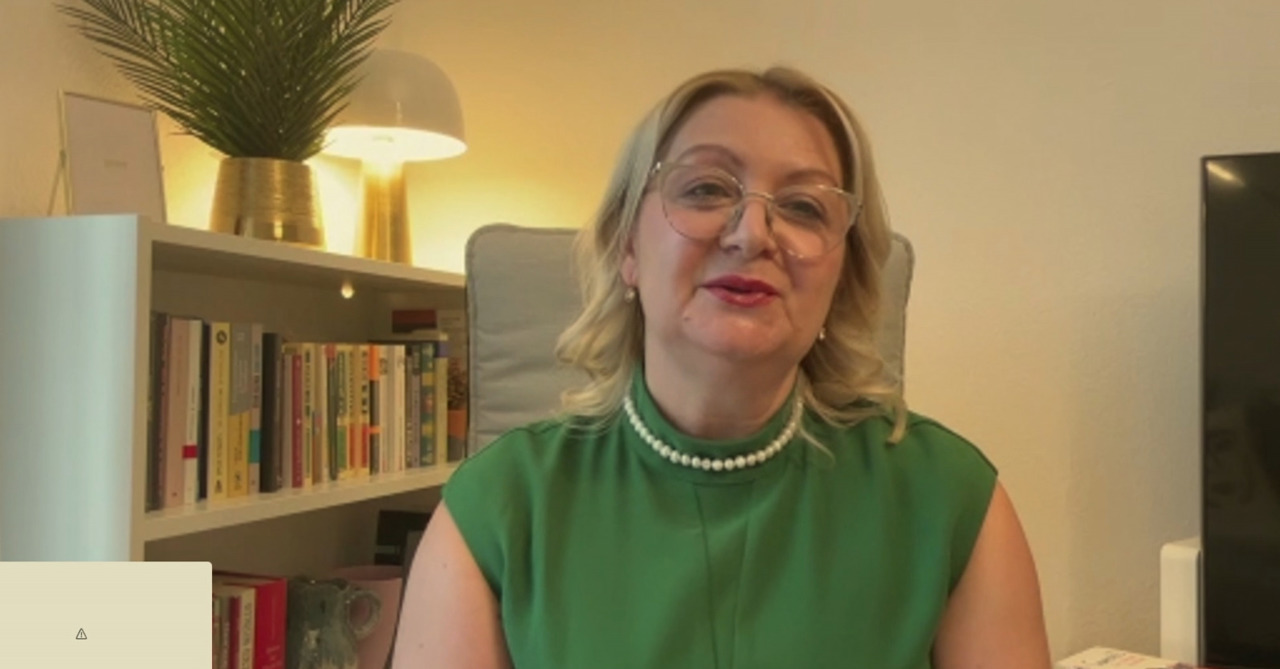
Journalist Ludmila Alexei, host of the program "Voices of the Diaspora" (Vocile Diasporei), also delivered a special message from Geneva. In her remarks via teleconference, she noted that public radio has transcended geographical barriers, serving as a link for Moldovans everywhere.
"We are a 21st-century public radio station, integrated into the European information landscape—and, at the same time, a 'theater of voices,' where the Romanian language brings us all back home, no matter where we are on the globe," the journalist stated.
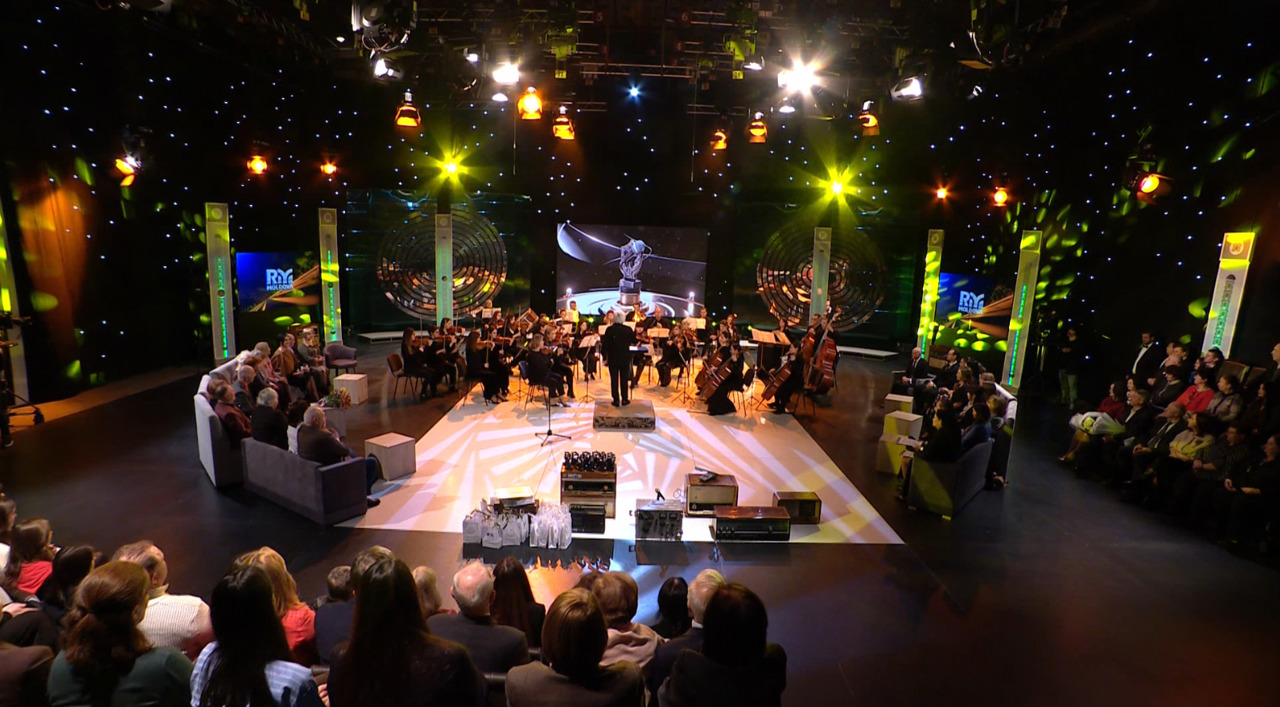
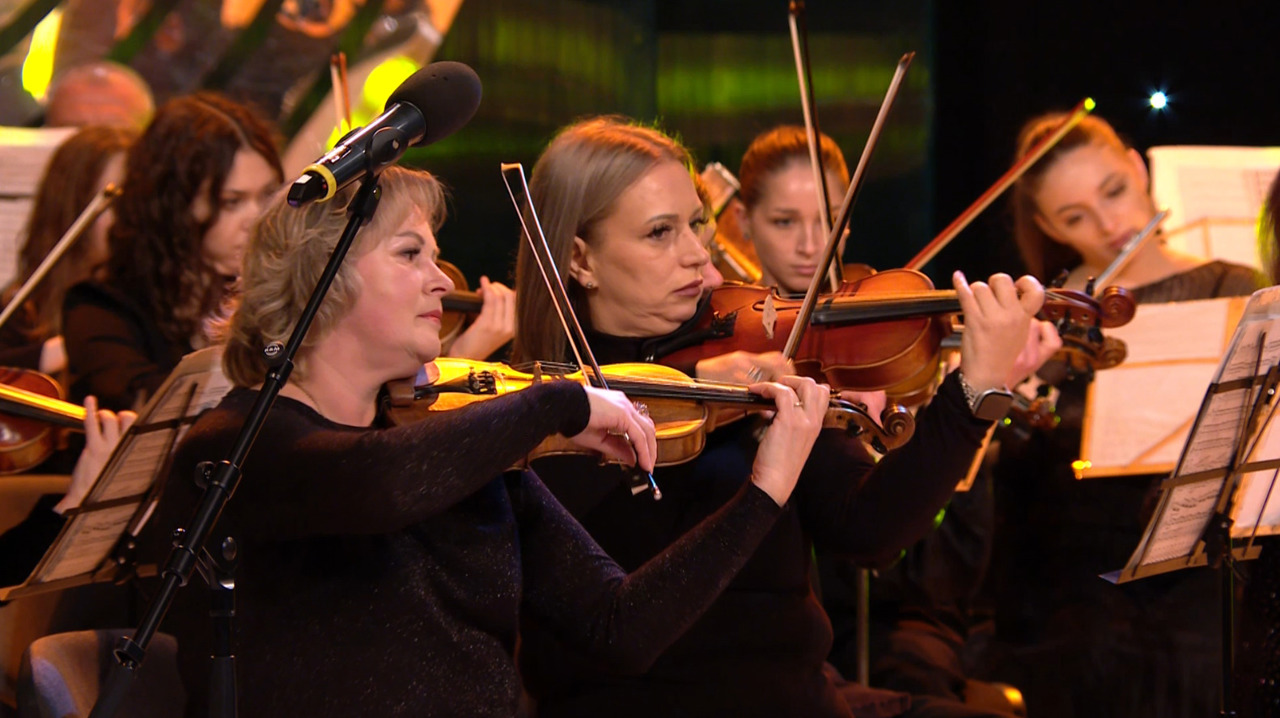
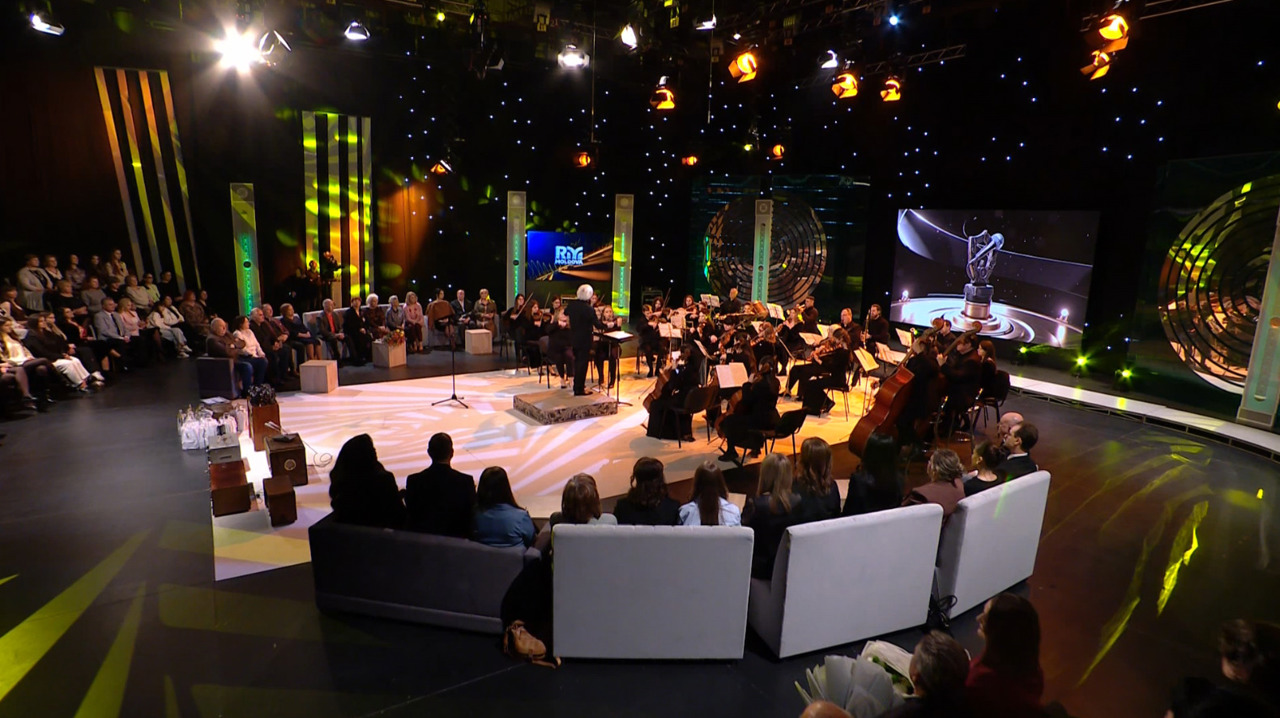
The event was complemented by artistic performances from the National Symphony Orchestra and the "Moldova" Choral Chapel. The repertoire included works by composer Gheorghe Mustea.
A highlight of the evening was a song dedicated to Radio Moldova; performed during the gala, it served as a tribute to the institution and the generations of people who have shaped its history.
The Republic of Moldova marks National Radio Day on November 1, following a government decision adopted in 2023. The initiative, proposed by Teleradio-Moldova, aims to correct historical misconceptions and recognize radio’s contribution to the country’s culture and national identity.
For many years, the origins of radio broadcasting in Moldova were associated with 1930, when a Soviet radio station was established in Tiraspol. However, the first radio broadcast on the territory of present-day Moldova took place on November 1, 1928, when a signal from Radio Bucharest reached the region. Radio Bassarabia, the predecessor of today’s Radio Moldova, was subsequently established in Chișinău.
After Moldova gained independence, Radio Moldova resumed its role as a public broadcaster, helping strengthen national values and providing a reliable source of information and stability. National Radio Day also pays tribute to the professionals whose dedication, expertise, and commitment have shaped public radio's development.