Strasbourg forum calls for stronger democratic foresight
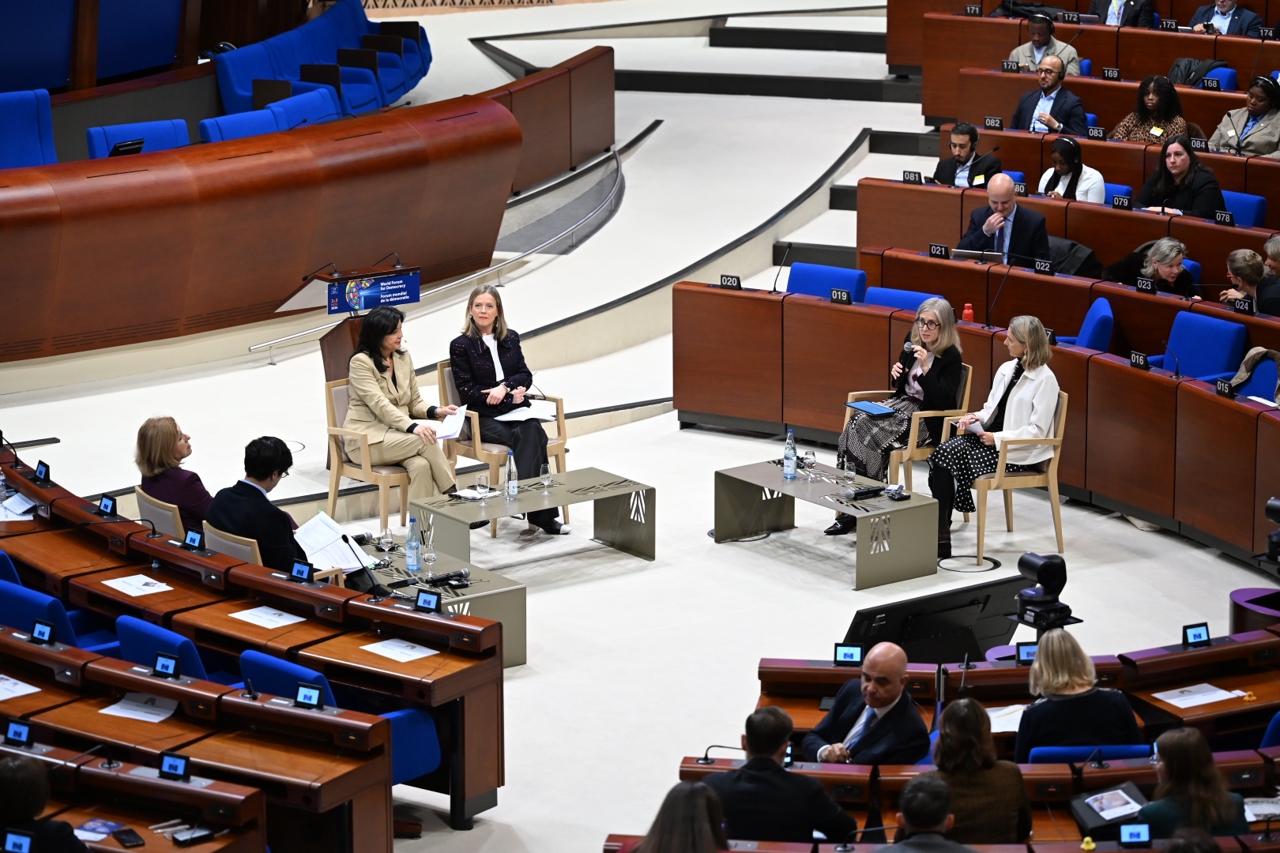
Democracy leaders opened the 14th World Forum for Democracy in Strasbourg on Monday, November 2, calling for stronger foresight to counter cyberattacks, disinformation and social polarisation.
From crisis response to democratic foresight
The forum, organised by the Council of Europe under the theme “Rupture or renewal? Democratic security for the future”, brings together political leaders, civil society representatives, academics and young activists on November 2–3.
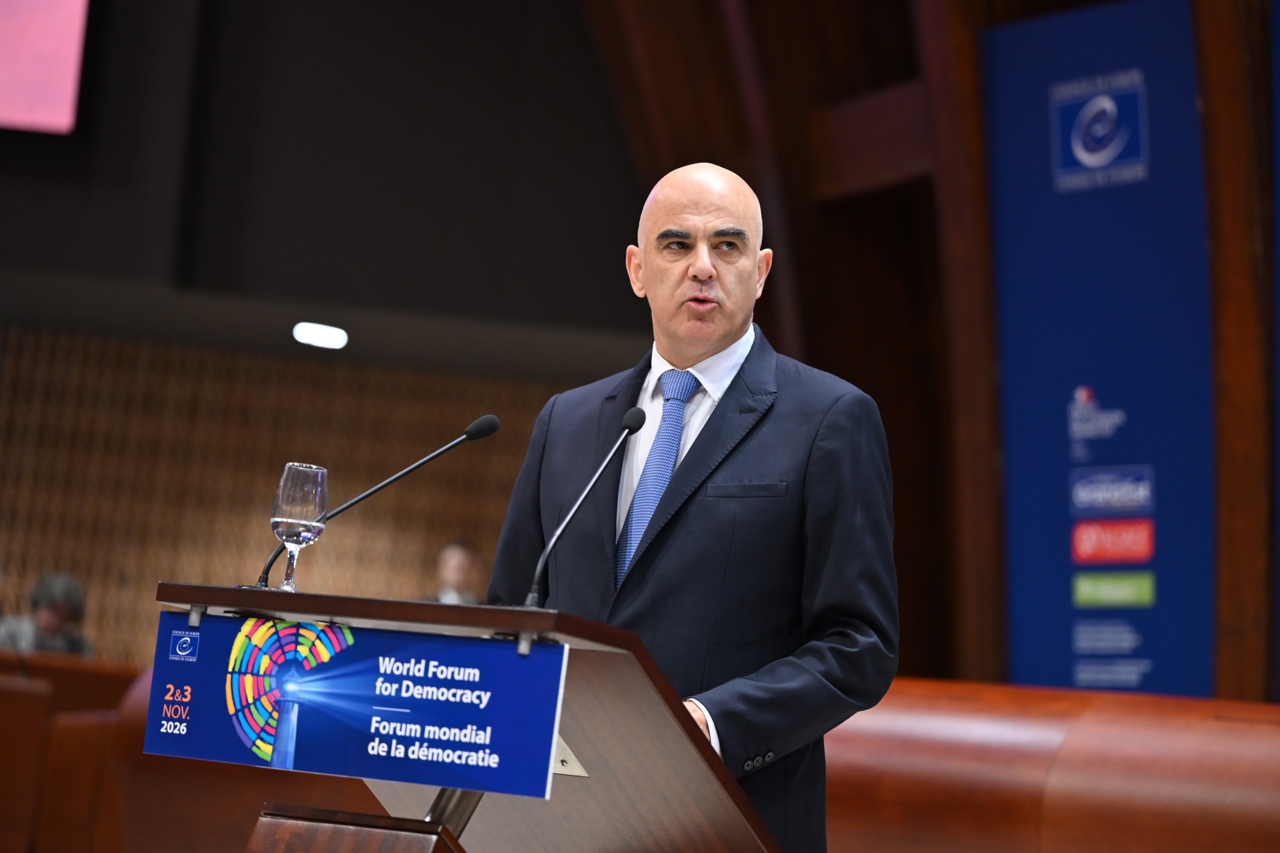
Opening the event, Council of Europe Secretary General Alain Berset stressed that democracy's future is not predetermined but depends on the choices societies make today. He highlighted democratic security, public trust and meaningful youth participation as essential elements of resilient democratic systems.
UN Under-Secretary-General for Policy Guy Ryder highlighted the importance of protecting people's ability to make informed choices in the digital age. This requires safeguarding freedom of expression, strengthening independent media and demanding greater transparency from technology platforms.
Croatian Prime Minister Andrej Plenković highlighted the importance of international law, national sovereignty and territorial integrity. He also stressed that independent courts, a free press and parliamentary oversight are fundamental to security rather than obstacles to it.
Preparing institutions for emerging threats
A central theme of this year's forum is the need to move beyond crisis management towards anticipating future risks. Democratic institutions are being urged to test possible scenarios and prepare responses before emerging threats undermine public trust and institutional stability.
The Council of Europe's New Democratic Pact for Europe provides a framework for this forward-looking approach. Discussions focus on strengthening electoral processes against foreign interference and creating more participatory decision-making structures that give citizens and civil society a greater role in shaping legislation.
The forum also addresses threats originating within democratic societies, including political polarisation, declining institutional trust and challenges to the rule of law.
AI, electoral integrity and public participation
The programme includes discussions on civic engagement, intercultural inclusion, the role of local authorities and societal resilience to disinformation. Sessions scheduled for November 3 will also examine electoral integrity and the opportunities and governance challenges posed by artificial intelligence.
The two-day event brings together political representatives, civil society organisations, academics and young people to explore how democratic institutions can adapt to changing social, technological and geopolitical conditions.
The World Forum for Democracy continues on Tuesday, November 3, with discussions focused on testing practical responses against possible future scenarios.
Translation by Iurie Tataru
RELATED COVERAGE
- Moldova electoral process faces hybrid threats despite modern legal reforms
- Moldova battles Russian deepfake election interference
- International experts: Elections in the Republic of Moldova, marked by external interference and disinformation
- EU lawmakers vote to extend democracy shield to Moldova
- New European Democracy Shield targets foreign interference