New property and car rules reshape Moldova's winter aid
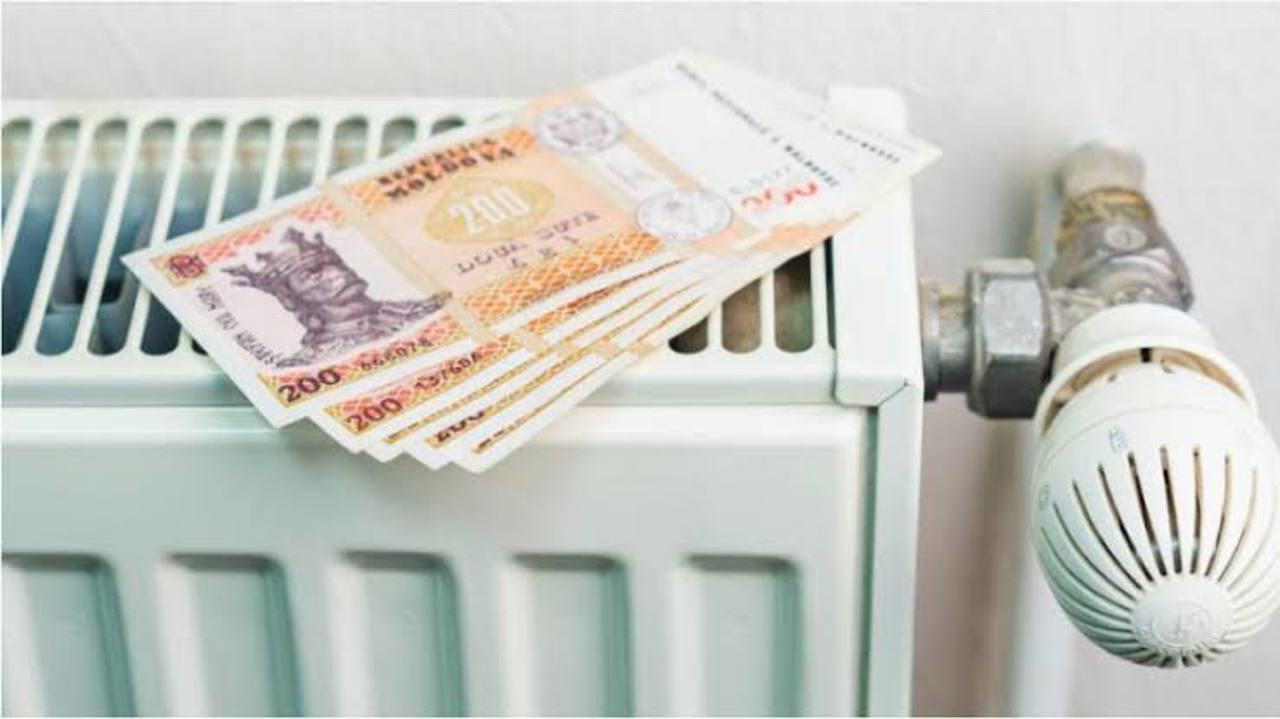
Owning a home worth more than €50,000 or a car less than three years old can disqualify households from Moldova's energy compensation programme for the 2026–2027 heating season, officials said on November 2.
Property and vehicle ownership among exclusion criteria
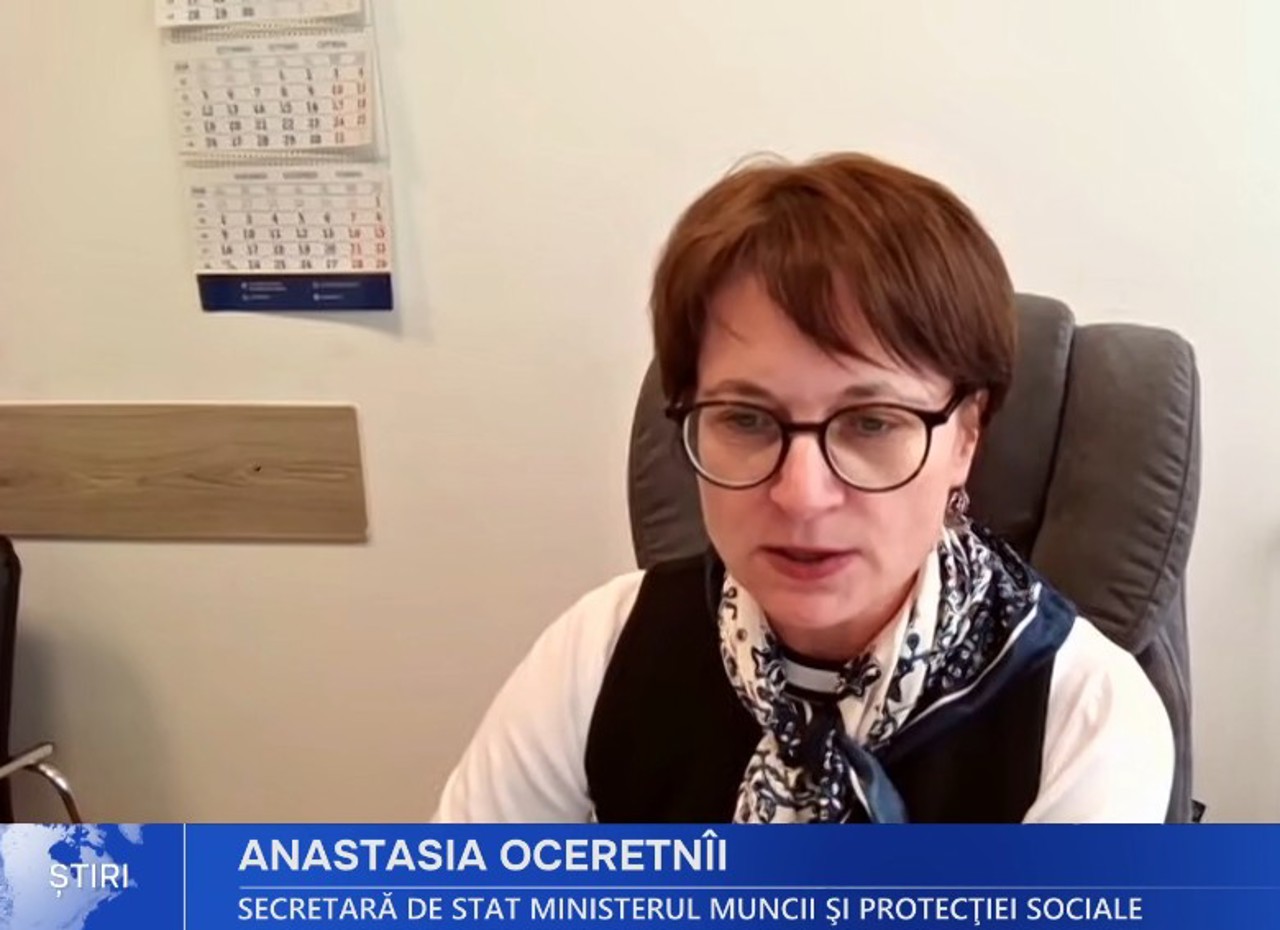
The new eligibility rules for the government's “Ajutor la contor” (Help with the Meter) programme were outlined by Anastasia Oceretnîi, State Secretary at the Ministry of Labour and Social Protection, in an interview with Moldova 1.
The two criteria are independent, meaning either one can lead to a household being excluded from the compensation scheme.
“This means that the household concerned would have a level of financial well-being that would allow it to cover its expenses during the cold season,” Oceretnîi said.
Property eligibility is assessed using the cadastral value of real estate holdings as recorded on October 1, 2026.
The 2026–2027 heating season marks the fifth year of the government's energy compensation programme. Authorities have revised the non-vulnerability criteria to ensure that financial assistance reaches households for which energy bills represent a genuine financial burden.
“We have revised the criterion concerning real estate, particularly the combined cadastral value of properties owned by a household. At the same time, the criterion concerning dividend income has also been amended. We are talking about dividends of up to 150,000 lei. The vehicle ownership criterion is also new and has been introduced this year,” Oceretnîi said.
How eligibility is assessed
Households seeking compensation must submit an application through the government platform, compensatii.gov.md.
Applicants who need assistance can contact their community social worker or a specialist at a Unified Public Services Centre.
Applications are checked against 11 databases. Eligibility and the amount of financial assistance are determined using several indicators, including household composition, monthly and annual income, the main heating source and whether the family lives in an urban or rural area.
Authorities also consider pensions, other social benefits and energy consumption during the previous year.
“These include household composition, monthly and annual household income, the main heating source, whether the family lives in a village or a town, pensions and other benefits received by household members, as well as energy consumption in the previous year. This last aspect is important, particularly because one of the non-vulnerability criteria concerns historical consumption exceeding 350 cubic metres of natural gas compared with the previous season,” the State Secretary said.
The assessment also takes into account applicants' individual circumstances, including whether they are students, unemployed or persons with disabilities.
Authorities check property ownership, whether applicants have spent at least three months in the Republic of Moldova during the previous eight months, and whether they have mortgage loans.
Information is cross-checked against government databases to ensure that compensation is calculated correctly and directed towards households facing financial hardship or high levels of energy vulnerability.
Applicants can correct information in their applications
People who submitted incomplete or incorrect information can request amendments to their applications.
During the first five days, applicants can make corrections directly through the compensatii.gov.md platform. After that period, applications can be reopened following a request sent to [email protected].
Applicants must explain the reasons for the requested changes and provide supporting documents.
“Even if these amendments are made, all the information will undergo additional checks through renewed access to the 11 databases,” Oceretnîi said.
Eligibility system cannot eliminate all errors
Energy expert Sergiu Tofilat said the eligibility assessment mechanism could not eliminate all errors. He stressed the need for procedures to identify and correct cases in which households are wrongly excluded from assistance.
“Perfect targeting does not exist. There will always be errors. You cannot anticipate every possible and impossible situation from behind a desk. There must be a mechanism for collecting information and adjusting these systems,” Tofilat said during the Zi de Zi programme on Radio Moldova.
He also said the Ministry of Labour and Social Protection should examine complaints from people who fail to meet the eligibility criteria but believe they genuinely need assistance.
The ministry should use information collected through its public information hotline to identify possible mistakes and adjust the mechanism where necessary.
Expert questions long-term effectiveness of compensation
Tofilat said government assistance was necessary but covered only part of household energy expenses during the winter.
If the estimated budget of 2.7 billion lei were divided among approximately 670,000 eligible households, each would receive an average of around 4,000 lei for the entire heating season.
According to the expert, this amount would cover approximately one to one-and-a-half months of energy consumption.
“Providing social assistance is a short-term measure that allows us to get through this cold season as best we can. In the long term, however, the state must focus its efforts on reducing consumption and improving energy efficiency. If we consume less, our bills will be lower,” Tofil said.
He argued that authorities should prioritise renovating residential buildings and create conditions allowing more households to benefit from energy-efficiency improvements.
Although Moldova adopted an energy-efficiency strategy last year, Tofil said the document did not provide sufficient solutions to overcome obstacles preventing investment.
Among the main problems, he identified limited public awareness of the benefits of energy efficiency, the small number of homeowners' associations and a shortage of construction companies and engineering service providers capable of carrying out renovation projects.
“Only 20% of apartment buildings have a homeowners' association structure. The rest still need to be registered. We do not have enough construction companies or engineering service providers capable of carrying out the necessary work. This is where we need to focus our efforts if we want to avoid constantly finding ourselves in a situation where we have to ask where the money for compensation will come from,” Tofil said.
Energy supply risks and potential price increases
Tofil does not expect problems with natural gas or electricity supplies this winter but warned that prices could increase.
In the electricity market, drought and the temporary unavailability of some regional generation capacity, including Romania's Cernavodă nuclear power plant, are reducing supply and putting upward pressure on prices, according to the expert.
In the natural gas market, tensions in the Persian Gulf and difficulties faced by Qatar, one of the world's largest liquefied natural gas exporters, in meeting deliveries have further tightened the availability of gas on international markets.
European and Asian countries are competing for available supplies, putting additional pressure on procurement prices.
Tofil said the authorities should reconsider their natural gas procurement strategy and establish clear rules to secure a significant share of the country's consumption at prices less exposed to market fluctuations.
“We should lock in the price for at least half of our consumption so that we are not so exposed to fluctuations in market prices,” the expert said.
Applications open for the 2026–2027 heating season
Citizens can apply for energy compensation starting November 2 through the government's “Ajutor la contor” programme.
Applications must be submitted through compensatii.gov.md. To receive assistance for November, applicants must register by November 27.
Compensation amounts will depend on each household's energy vulnerability and individual circumstances.
Payments will range from 500 to 1,000 lei for households using natural gas and district heating, and from 500 to 800 lei for those relying on electricity or solid fuels.
Authorities estimate that approximately 670,000 households will receive assistance during the 2026–2027 heating season.
The government has earmarked between 2.6 billion and 2.7 billion lei for the programme.
Translation by Iurie Tataru
RELATED COVERAGE