“A digital war”: Experts warn of long-term consequences of cyberattack in Moldova

The cyberattack on government systems in the Republic of Moldova has exposed serious security and coordination weaknesses among state institutions, with consequences that could go far beyond the theft of personal data. Experts warn that, besides increasing the risk of fraud, the incident could erode public trust in digital government services and potentially delay the introduction of electronic voting.
The scale of the incident and the large number of affected individuals point to a complex operation, likely organized by specialists from outside the country, according to Răzvan Cotovelea, Romania’s former Minister of Communications.
"I don’t have further details, but based on public sources that have reported on this incident, it is extremely serious. I mean, the situation is truly grave. (...) Clearly, this attack was not carried out by some bored kids—students or high schoolers—who decided to 'see if the Government’s servers could hold up.' No. This is a proxy attack, likely orchestrated by professionals—perhaps even military personnel—from outside the country," stated Cotovelea during the November 6th episode of the program "Zi de zi" on Radio Moldova.
According to the former minister from Bucharest, the incident represents a form of organized aggression in the digital realm, requiring a coordinated response from institutions responsible for national security.
"Because this is an invisible war—a digital war—it constitutes a digital terrorist attack. What occurred in the Republic of Moldova was a terrorist attack; not one involving bombs, but rather a terrorist attack within the digital space. This was not the work of well-intentioned actors, nor was it merely people 'having some fun.' This cyberattack was well-conceived, precisely targeted, and—I repeat—carried out by professionals," asserted Cotovelea. To prevent similar incidents, the Republic of Moldova could adopt cybersecurity organizational models from European Union member states. One example is Romania, where the National Cybersecurity Directorate—which operates under the Government—manages major incidents, while the National Cyberint Center, part of the Romanian Intelligence Service, has specialized responsibilities for preventing and countering cyber threats.
According to Cotovelea, it is essential to establish clear responsibilities and intervention procedures that all involved institutions understand.
Electronic voting could be postponed
Beyond technical vulnerabilities, the attack could have long-term consequences for the relationship between citizens and the authorities. Public trust in the state’s ability to protect personal data risks being compromised—a development that could, among other things, hinder the further expansion and adoption of electronic public services, warns security expert Alexandru Flenchea.
"What the authorities avoid mentioning—but must take into account—is that, beyond the immediate cyber-related risks, there is a much larger and more serious problem in the medium to long term: the erosion of citizens' trust in state institutions and in the state as a whole", Flenchea stated on Moldova 1 TV.
A lack of coordinated institutional response could have consequences, including for electoral processes. One example cited by the expert involves successive announcements from the Central Election Commission (CEC) about using the "EVO" application during the elections in Gagauzia, scheduled for November 15.
Initially, the CEC announced that voters could identify themselves using the application. Later, the institution assured that the electoral information system had not been affected by the cyberattack, only to ultimately abandon this authentication method.
"This is a clear example showing that there was, indeed, no coordinated response from the institutions. The institutions did not know how to proceed; each one sought to justify itself within its own sphere of responsibility, claiming that everything was in order. (...) I believe that, as a result of this attack, the implementation of electronic voting, for instance, will be postponed indefinitely," said Flenchea.
Distrust in the security of digital systems could also create grounds for challenging the results of certain elections, including those in Gagauzia. According to the expert, restoring public trust will be essential before the use of electronic tools in electoral processes can be expanded.
Identifying those responsible for the vulnerabilities in government systems should not be the authorities' sole priority. The state must also focus on protecting the affected citizens and redressing the harm they have suffered, Alexandru Flenchea argues. "You see, the problem is that identifying and punishing the perpetrator is only the smallest part of the justice process. The core of justice lies in restoration—in redressing the violated rights of the victims," the expert stated.
Another risk is that attackers could use the stolen personal data over the long term. Although an IBAN alone does not allow for the withdrawal of funds from a bank account, combining it with other personal information could facilitate fraud attempts.
According to Flenchea, the development of artificial intelligence could give attackers new ways to exploit the data they obtained, even months after the incident.
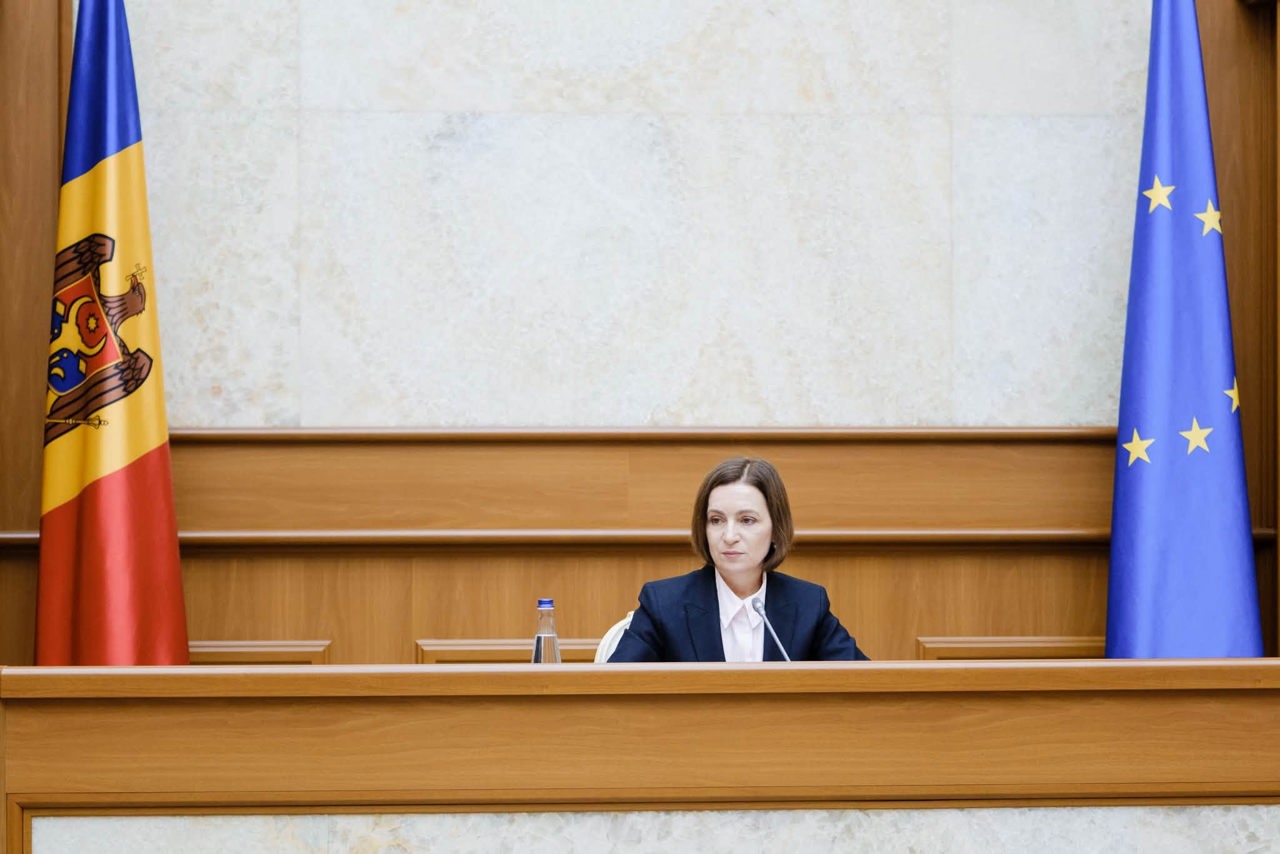
The personal data of around 450,000 citizens were accessed in a cyberattack targeting infrastructure managed by the E-Governance Agency, President Maia Sandu announced on November 6, following a meeting of the Supreme Security Council.
According to the head of state, a vulnerability allowed attackers to access the databases of at least ten public institutions. The perpetrators have not been identified, but their methods suggest possible involvement by a state official.
Following the meeting, the authorities agreed on measures to strengthen the security of government systems. A working group led by Prime Minister Vasile Tofan has been tasked with proposing solutions within one month, while the E-Governance Agency will notify the individuals whose data were accessed.