Estonia builds border fortifications to deter a Russian attack
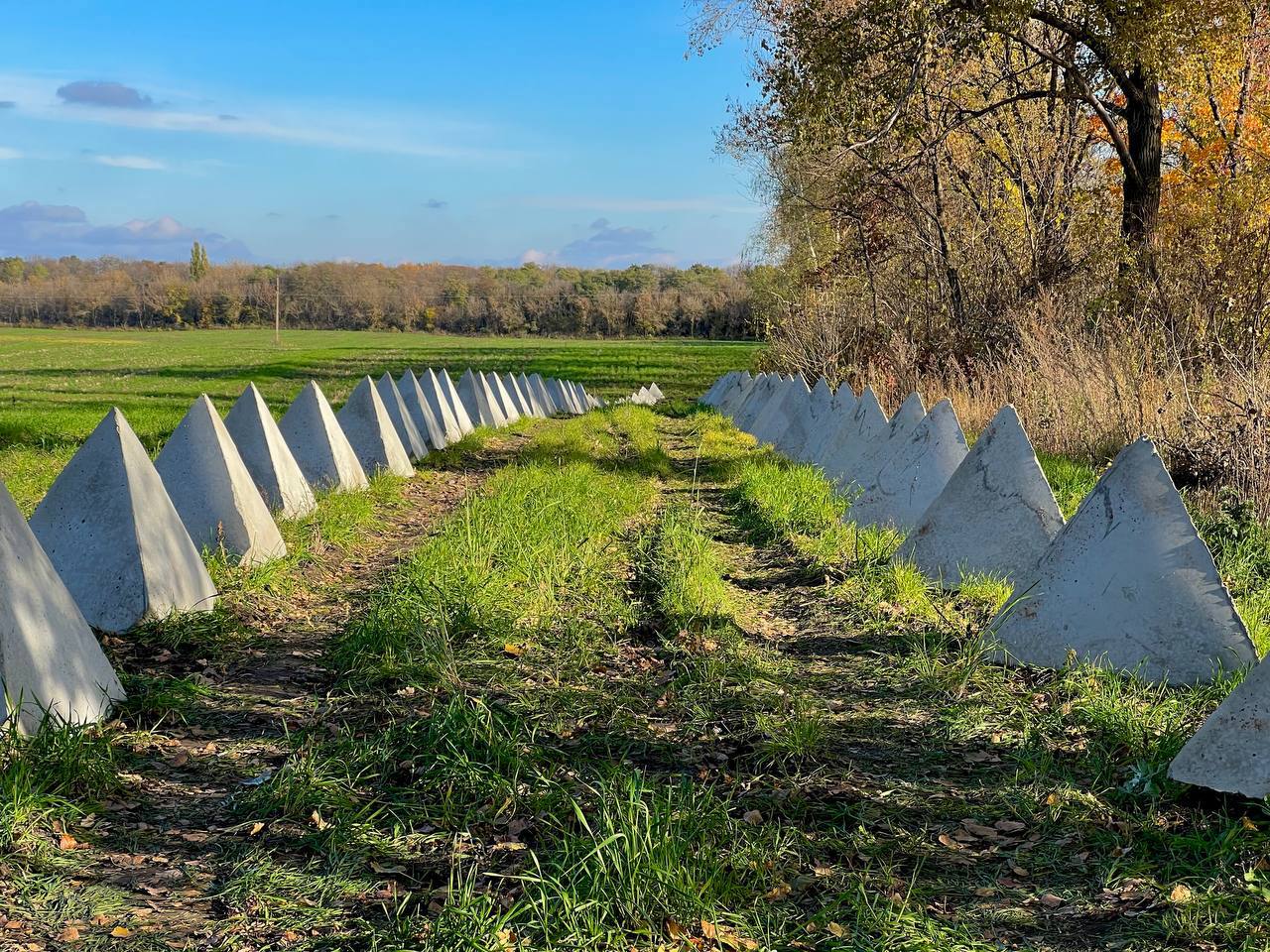
Estonia is strengthening its eastern border with Russia through new bunkers and anti-tank obstacles near Narva, as the Baltic states expand their joint defensive infrastructure amid heightened regional security concerns.
Fortifications designed to stop an attack at the border
Concrete bunkers have been installed near Narva, while anti-tank obstacles known as "dragon's teeth" are being positioned along vulnerable sections of the border.
The installations form part of the Baltic Defence Line, a joint initiative by Estonia, Latvia and Lithuania to strengthen their eastern borders against potential military threats.
Estonia plans to establish approximately 600 bunkers for units of its Defence Forces and Defence League. Anti-tank obstacles and other defensive equipment are being stored for rapid deployment if the security situation deteriorates.
Defence preparations and military spending
According to Estonia's Ministry of Defence, the strategy is to prevent an advancing enemy force from gaining ground and to enable troops to defend the country from the outset of a potential conflict.
The preparations also include plans for additional defensive measures. However, Estonia does not intend to deploy explosive ordnance along its border during peacetime.
Estonia is also significantly increasing its military spending. According to the Ministry of Defence, the 2026 defence budget will rise by 42%, from €1.7 billion to €2.4 billion (approximately MDL 48.3 billion), equivalent to 5.4% of gross domestic product.
Growing security concerns along NATO's eastern flank
The reinforcement comes amid concerns among Baltic governments and Western security officials about Russia's potential actions against NATO's eastern flank.
Military and intelligence officials have warned that a limited Russian incursion, particularly around Narva, could test NATO's commitment to collective defence. However, Estonia's Foreign Intelligence Service assesses that Russia has no intention of militarily attacking Estonia or another NATO member state in the coming year.
Estonia is a member of both NATO and the European Union. Strengthening its eastern border is therefore part of a broader effort to reinforce the security of the Alliance's northeastern flank.
Translation by Iurie Tataru
RELATED COVERAGE