Moldova and Ukraine may advance toward EU membership at different speeds: What could delay accession talks?
The Republic of Moldova could move faster than Ukraine in its EU accession negotiations, potentially closing several chapters by the end of 2027, according to the European Commission’s roadmaps for both countries. However, delays could arise from unfinished domestic reforms and political decisions by EU member states. The accession process will also bring significant economic and social changes for citizens.
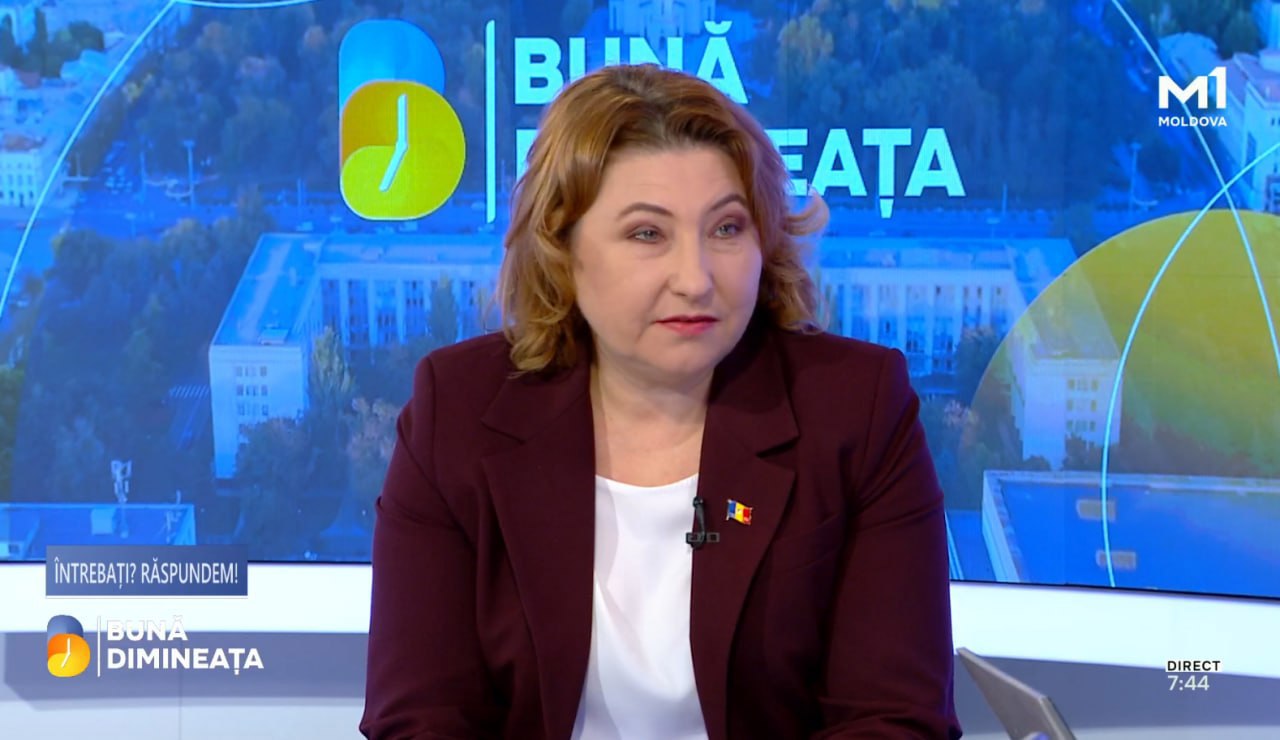
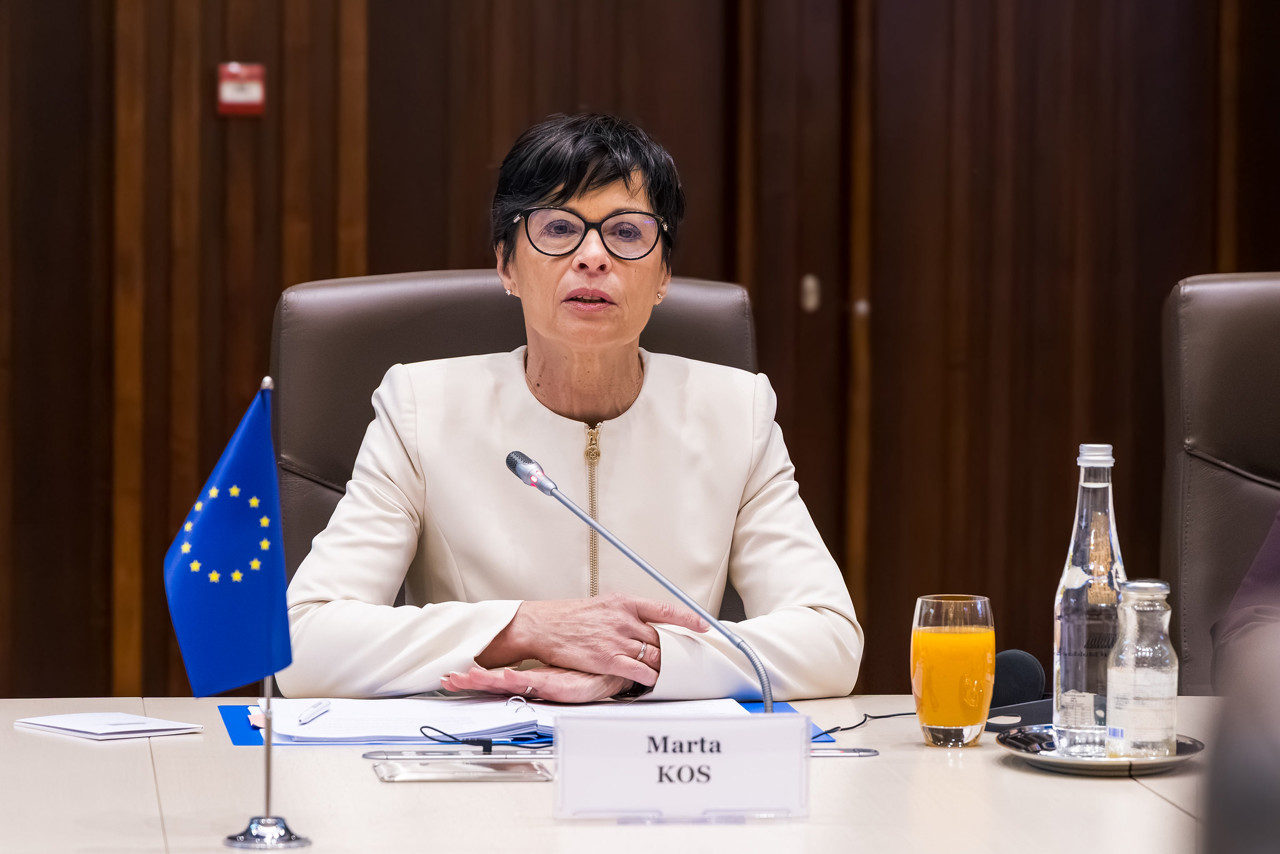
European Commissioner for Enlargement Marta Kos made these statements in an exclusive interview with the public broadcaster Moldova 1.
The progress of the two countries will be evaluated based on the reforms each has implemented, and the pace of negotiations may vary. Although the Republic of Moldova and Ukraine both attained candidate status in the same year and have advanced in tandem, the European Commission anticipates that the authorities in Chișinău could potentially conclude a greater number of negotiating chapters. Marta Kos noted, however, that Ukraine is navigating this process while at war.
"You know, the most significant difference is that Ukraine is a country negotiating its EU accession while at war. Therefore, when I speak of progress, what we are truly looking for is a merit-based approach—meaning you can only move forward once you have implemented the necessary reforms, allowing you to proceed to the next step, and so on. Consequently, we have indeed indicated in our roadmaps that Moldova could potentially advance more rapidly, closing more chapters than Ukraine; I hope that both countries will achieve their respective goals," the European Commissioner stated.
Domestic reforms and decisions by EU member states are crucial for accession
Adherence to the accession timeline depends both on the capacity of the authorities in Chișinău to successfully complete reforms and on political support from the European Union. Marta Kos explained that the provisional closure of each negotiating chapter requires the consent of all 27 member states. "The only risk I see—or rather, two major risks—is, first, that the reforms might not be fully carried through; however, from what I know, you—the Moldovan people—will continue to keep your word. The second risk concerns the dynamics within the member states. Let’s take a step back: the accession process consists of two tracks. One is the technical track, for which I am responsible, and which I am navigating alongside your Deputy Prime Minister, Ms. Cristina Gherasimov, who serves as the chief negotiator. The other aspect relates to the dynamics within the member states, which means that these member states must be well-informed," the European official explained.
Nevertheless, the goal of provisionally closing 25 chapters by the end of 2027 is considered realistic. If it fulfills its commitments, the Republic of Moldova could reach the current level of Montenegro—one of the countries furthest along in the accession process—according to the European official.
EU accession will also bring difficult changes
European integration will not only bring immediate benefits; it will also involve economic and social transformations that could create challenges along the way. The authorities must explain to citizens why these changes are necessary and continue investments that improve the standard of living, noted Marta Kos. "It is important that the Parliament also fulfills its role and remains focused—which I believe you truly are—and it is equally important that you explain to your citizens what this entails. Why do I say this? Well, this accession process involves transforming the economy and society, and the path forward is not always a smooth ascent. At times, there will be—what I call—'roadblocks,' so it will be important to explain this to the people," the European Commissioner cautioned.
The reforms will encompass areas such as consumer protection, agriculture, transport, taxation, and the environment. Expected outcomes include access to clean drinking water, improved waste management, and the modernization of infrastructure—areas in which the Republic of Moldova must align itself more closely with European standards.
Marta Kos is visiting the Republic of Moldova just days after the European Commission published its enlargement report on November 4. The document acknowledges progress across all 33 negotiating chapters assessed, while stressing the need for further reforms, particularly in the judiciary, the fight against corruption, and stronger democratic institutions.
So far, Moldova has opened four of the six negotiating clusters, with authorities in Chișinău aiming to open the remaining two by the end of 2026.