From “Moldova will not join the EU” to “rushed talks”: Disinformation targeting the EC report
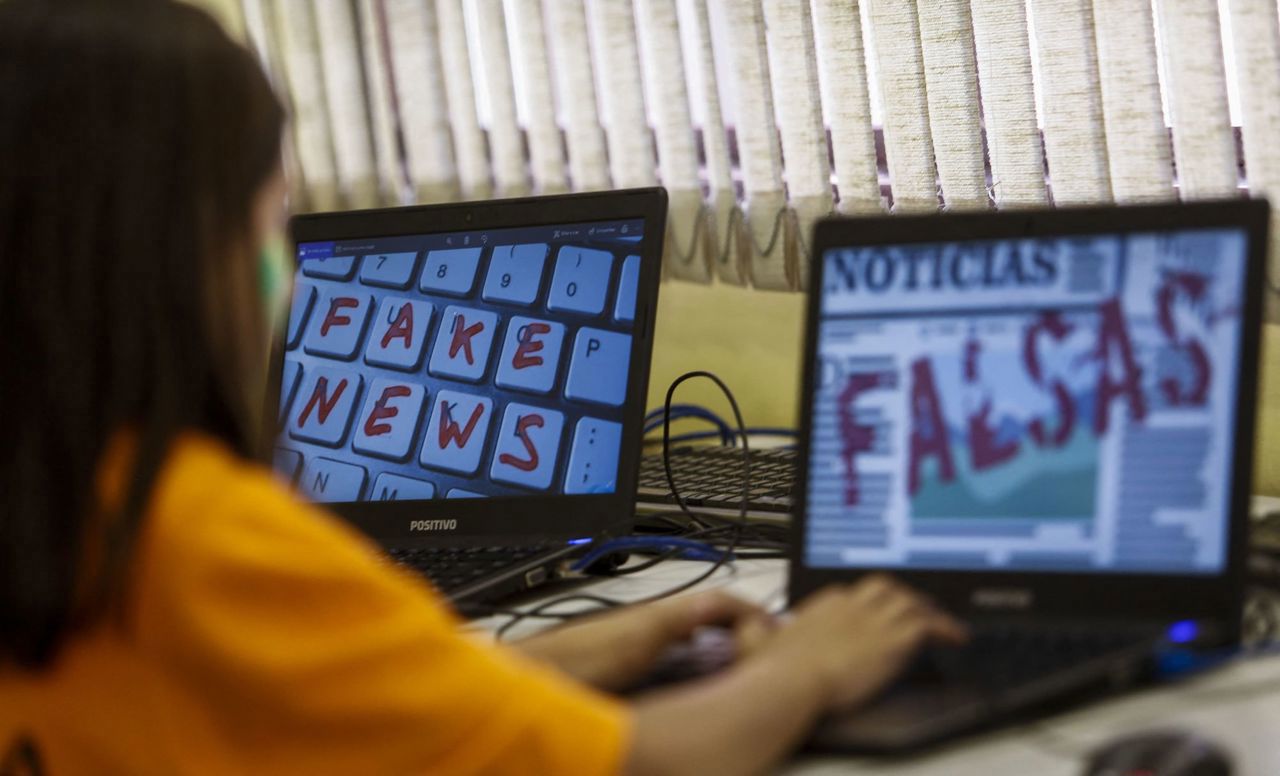
The European Commission’s November 4 report on Moldova’s EU accession progress triggered disinformation campaigns that adapted their narratives to the document’s findings. Initially, accession was portrayed as an unrealistic promise, but after Brussels delivered positive assessments, claims emerged that speeding up negotiations would harm citizens.
The disinformation messages appear to have been prepared before the report’s publication and subsequently adapted based on public reactions. This shift in approach was observed on the very day the document was presented, according to Liliana Vițu, Director of the Center for Strategic Communication.
“At the start of the day, the primary line of attack was to frame the accession process as a deception—claiming it is not happening, will not take place, and that the entire negotiation process is essentially a way to mislead the public. Once the report was presented and the positive assessments of the reforms became apparent, the line of attack shifted; it was then argued that ‘rushed’ negotiations are actually contrary to the citizens' interests, as such haste—and these hurried negotiations—would fail to take the citizens' needs into account,” stated Liliana Vițu on November 9, during the annual conference on EU enlargement.
The risk of such campaigns intensifying could grow as accession negotiations progress. In particular, the distinctions between the various stages of the integration process—combined with the lack of a definitive timeline for EU entry—could be exploited to mislead the public, the Director of the Center for Strategic Communication warned. "We anticipate that everything related to the accession timeline—especially the absence of a guaranteed date—will once again be exacerbated by cognitive warfare. The opening of negotiation clusters, the provisional closing of chapters, the conclusion of negotiations, the actual accession itself, and the various dates being floated—whether it’s 2028 or 2030—all serve to create intentional confusion," argues Vițu.
The gap between positive assessments from European institutions and the economic reality citizens experience represents another vulnerability. In her view, issues concerning prices, income, and the cost of services can be exploited to fuel distrust in the accession process.
Combating manipulation on social media remains difficult, partly due to inadequate legislation. The use of artificial intelligence amplifies these risks, and even introducing a law on digital services would not immediately resolve them, the director warned.
"Our greatest vulnerability stems from social media platforms—specifically the use of artificial intelligence within them—and the lack of a domestic regulatory framework. Even if we were to adopt a law on digital services, it would not—at least not before the moment of accession—remedy the current situation," added the head of the Center for Strategic Communication.
Furthermore, disinformation campaigns also target the Republic of Moldova’s security cooperation with external partners. Defense agreements and initiatives to strengthen military capabilities are, in some messages, presented as evidence of alleged war preparations, Liliana Vițu said.
The European Commission’s report of November 4 highlighted the Republic of Moldova’s progress in the process of European integration. The authorities in Chișinău aim to conclude accession negotiations by early 2028—a goal the European Commission considers ambitious yet achievable, provided that reforms continue.