Moldova's anti-corruption judiciary faces staffing hurdle
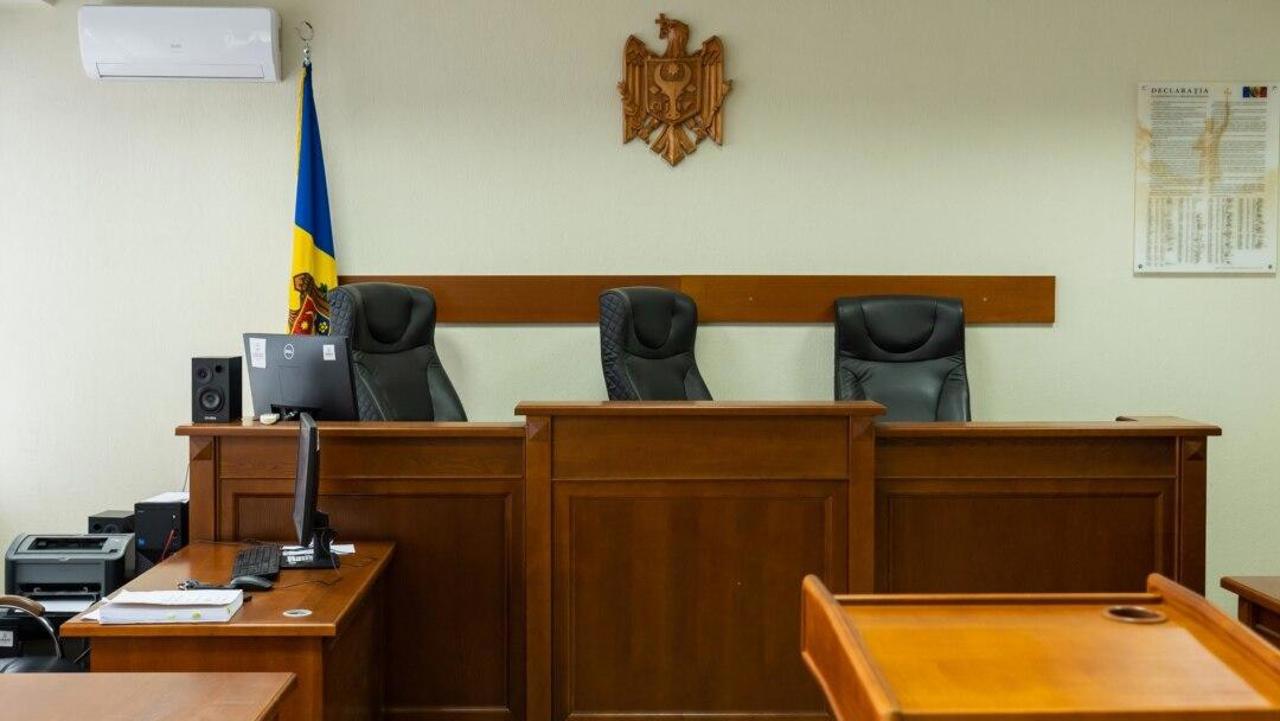
Moldova's new Anti-Corruption College at the Chișinău Court may be unable to begin operating because only one candidate remains for its 15 judge positions, Superior Council of Magistracy President Sergiu Caraman said.
Only one candidate for 15 positions
Despite multiple recruitment competitions organised by the Superior Council of Magistracy (SCM), interest in the new positions remains low. Only two candidates have applied for the Anti-Corruption College since the law establishing the specialised structures entered into force. One subsequently withdrew after the Vetting Commission recommended that he fail the external evaluation.
No candidates registered for the latest competition by the time of Caraman's November 10 statement. At the Centre Court of Appeal, only one candidate has applied for the six positions allocated to the specialised anti-corruption panels.
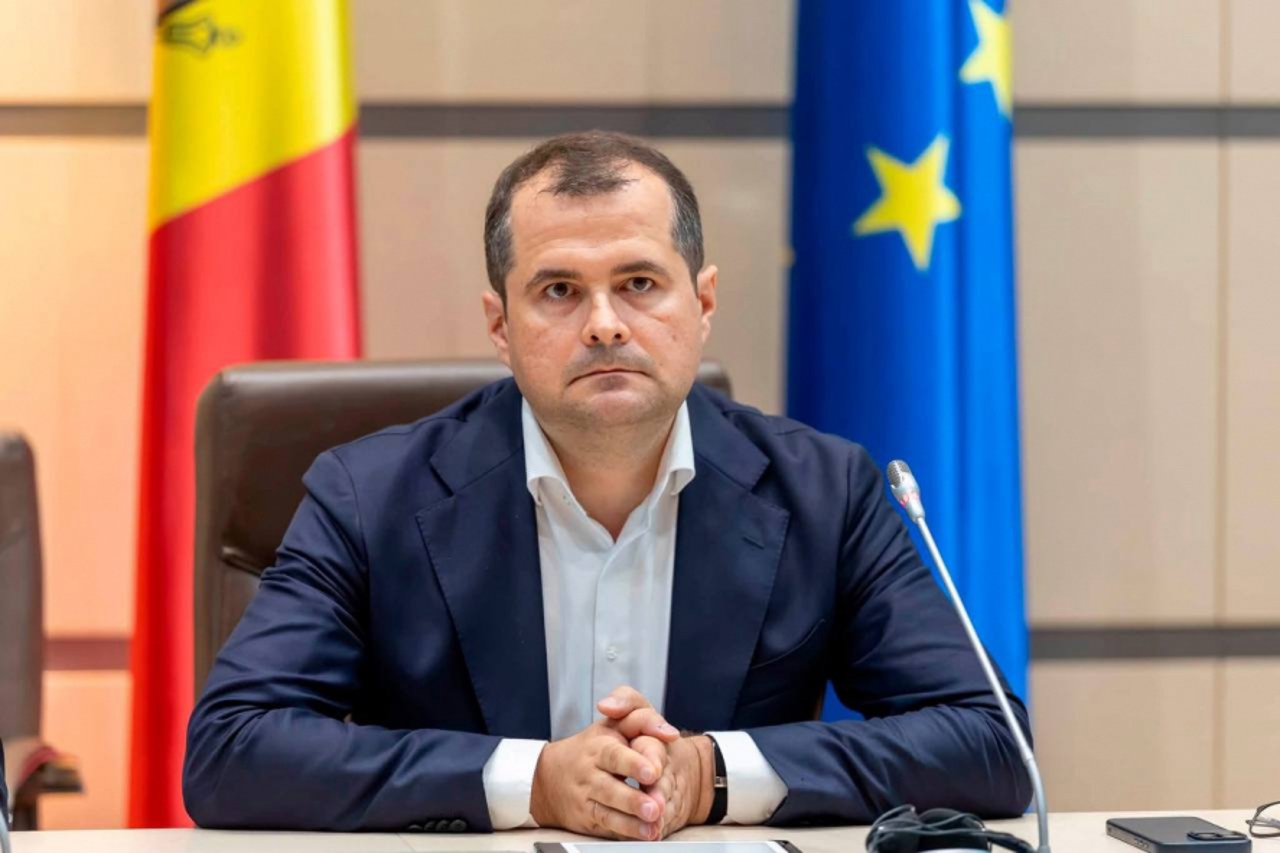
"We currently have no candidates registered for the latest competition. Throughout the period since the law establishing the Anti-Corruption College at the first-instance court and the anti-corruption panels at the Centre Court of Appeal entered into force, we have managed to identify just two candidates for the College, out of 15 positions, and one candidate for the Court of Appeal panels, out of six," Caraman said on Moldova 1's Pe Față programme on November 10.
At least three judges needed to start operations
The candidates still in the selection process, one for each judicial structure, must undergo evaluation and selection procedures before they can be appointed.
Even if the sole candidate for the Anti-Corruption College passes all stages, the institution will still lack the minimum number of judges required to begin operating.
"We risk having no functioning Anti-Corruption College at all, because under the law it can begin operating once three judges have been appointed. In other words, the College will start operating once three of the 15 positions have been filled," Caraman warned.
The recruitment difficulties could delay the establishment of the new judicial structure. According to Caraman, the SCM anticipated as early as 2024 that filling the positions could take several years.
Existing judges continue handling corruption cases
To avoid delays, the Council decided to assign existing judges to specialise in examining corruption cases rather than wait for the new College to become operational.
These judges continue to handle corruption cases at the Chișinău Court. Caraman said the arrangement had helped shorten proceedings and increase the number of completed cases, particularly those involving high-level corruption.
Judicial vetting adds to staffing challenges
Caraman acknowledged that staff shortages are among the consequences of Moldova's judicial reform, as external vetting has been accompanied by departures and resignations within the judiciary.
"When the state committed itself to this judicial reform, everyone was aware that some judges might leave the system, others might resign, and positions could remain vacant. However, the view at the time was that a slower but fair solution was preferable to a quick but unjust one," he said.
The establishment of specialised anti-corruption structures is part of Moldova's efforts to improve the handling of corruption cases. The country must demonstrate tangible progress in judicial reform and the fight against corruption as part of its European Union accession process.
Translation by Iurie Tataru
RELATED COVERAGE
- Anti-Corruption College launches in Moldova's judiciary
- Moldova expands judicial vetting to anti-corruption judges
- SCM extends the deadline for 20 anti-corruption judge positions to October 5
- Moldova opens judge selection to curb severe judicial staffing deficit
- European Commission highlights Moldova's key shortcomings in latest enlargement report