Spanish workers strike over soaring rents and evictions
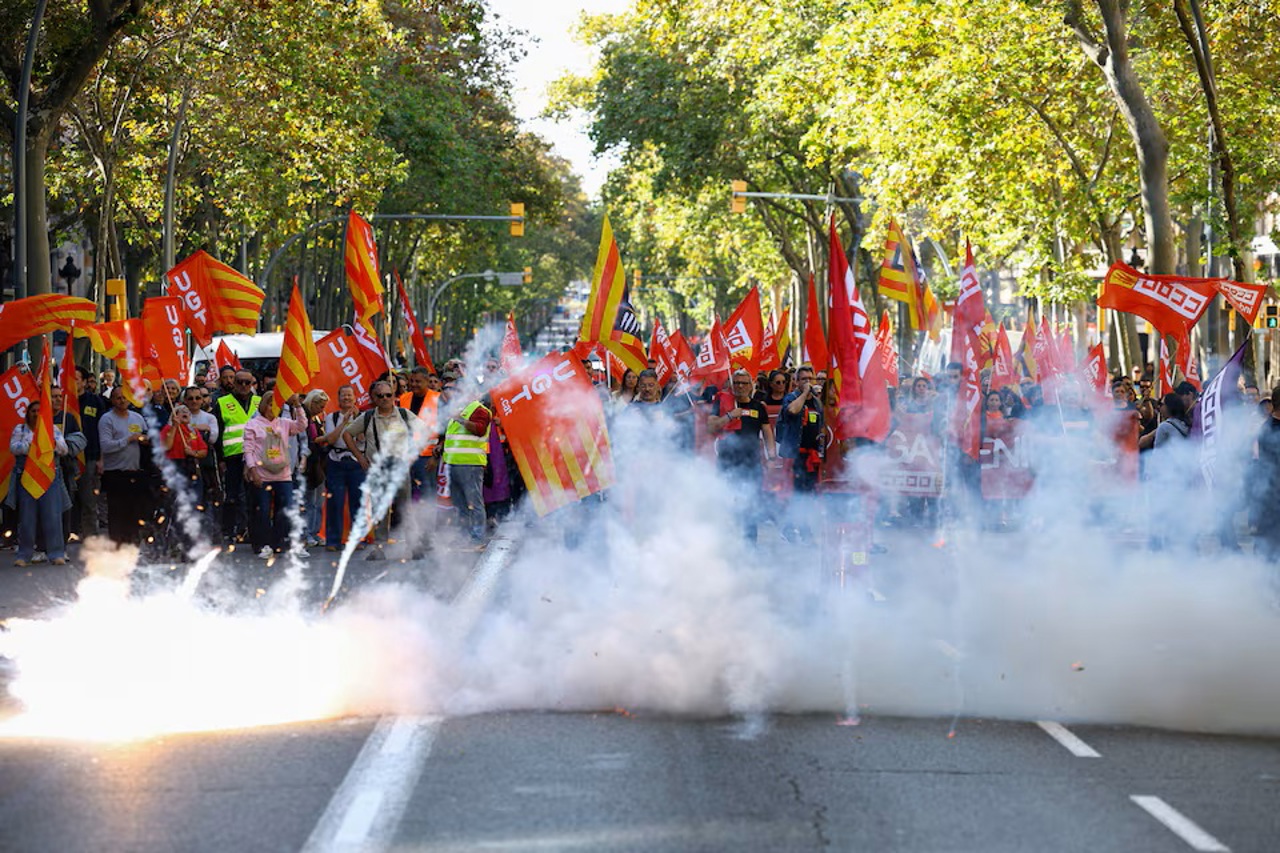
Spanish workers staged a nationwide general strike on Wednesday, November 11, protesting soaring rents, mass evictions and a housing shortage ahead of Spain's November 29 snap parliamentary election.
Housing crisis fuels nationwide protests
The strike is the first general strike in Spain since 2012, when workers walked out against austerity measures during the euro zone debt crisis. It is backed by the country's two largest trade unions, the General Workers' Union (UGT) and Workers' Commissions (CCOO), which represent more than one million workers, as well as tenants' associations angered by rising rents and evictions.
Prime Minister Pedro Sánchez hopes to harness public discontent over housing to shift the political narrative away from corruption cases involving members of his inner circle and last month's deadly train crash, Reuters reported. His Spanish Socialist Workers' Party (PSOE) is still trailing in opinion polls.
Several shops in Barcelona and Madrid closed their premises amid fears of potential unrest, following similar incidents in France and Germany.
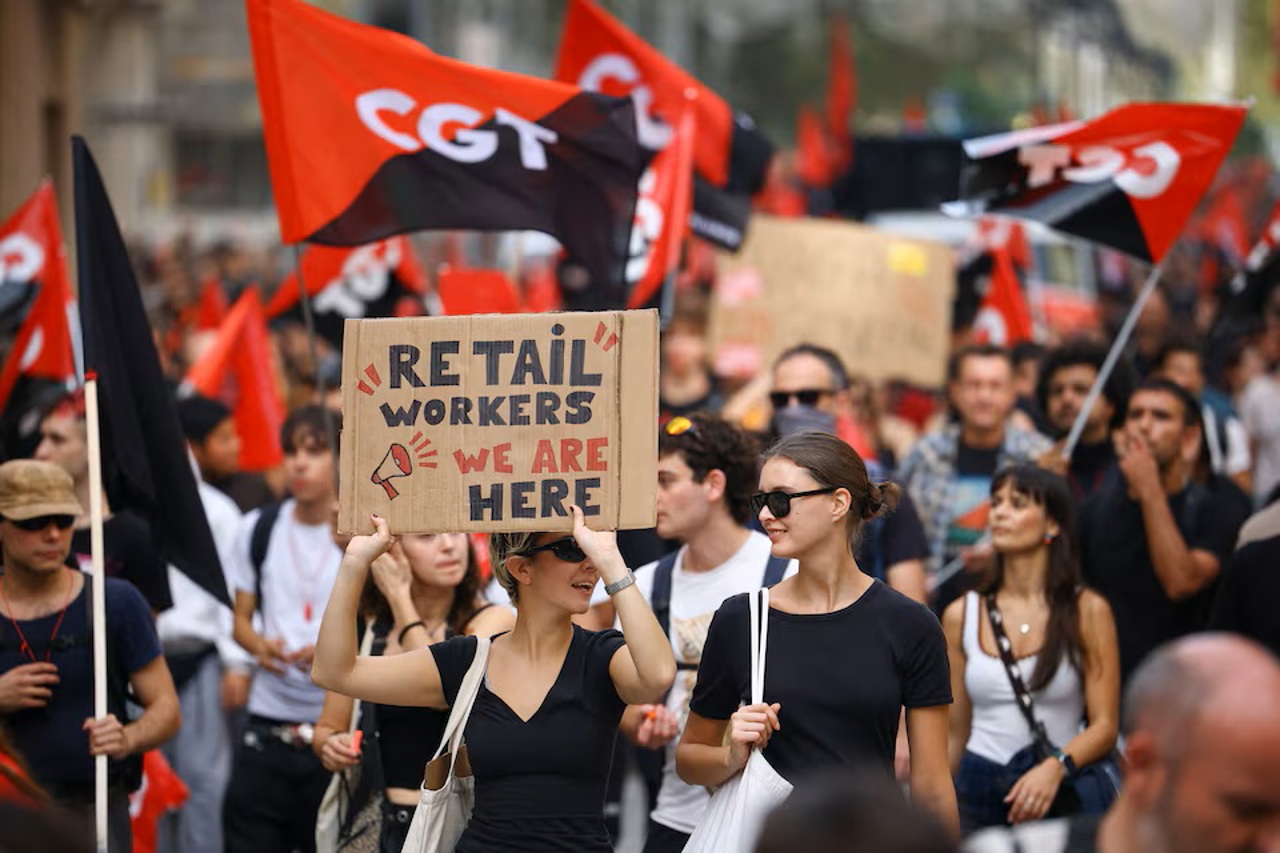
Housing shortage pushes rents beyond young people's means
Spain faces a housing deficit of around 750,000 homes, a figure that could exceed one million by 2028, according to central bank data.
As fewer people can afford to buy homes, demand for rental properties has surged, putting considerable pressure on the market. The average monthly rent of €1,176 is equivalent to approximately 98.7% of the average monthly salary of a young person in Spain, according to the Youth Council of Spain.
“I'm 36 years old and I still can't move out on my own,” said Jesus Gonzalez, a Madrid resident who works in a hospital's IT department and supports the strike.
Businesses also feel the impact of the housing crisis
Angela de Miguel, vice-president of Spain's main business association, the Spanish Confederation of Business Organisations (CEOE), said the housing shortage was making it harder for companies to recruit employees, affecting small businesses as well.
Speaking on Spain's public broadcaster TVE, she said the solution was to reduce taxes on construction and property purchases.
Limited economic impact expected
With more people working remotely and services accounting for a growing share of Spain's economy, the strike is likely to have a less pronounced impact than previous walkouts, according to Miguel Cardoso, chief economist at BBVA Research.
He estimated that the strike could shave 0.1%-0.2% off Spain's annual gross domestic product (GDP).
The strike follows weeks of demonstrations triggered by the eviction and subsequent death of an 87-year-old woman in Madrid.
The protests, together with Parliament's rejection last month of government decrees intended to curb evictions and ease rental pressures, prompted Prime Minister Pedro Sánchez to call the November 29 snap election.
Translation by Iurie Tataru
RELATED COVERAGE
- Chișinău rent crisis: Soaring prices amid refugee influx
- New academic year: Student rental market heats up
- Real estate expert in the Republic of Moldova: High demand, but few affordable offers
- High rent costs drive Moldovan students to dormitories
- Belgium general strike: Flights grounded, Brussels transport paralyzed