Over 500,000 meals from recovered food: How donations reach those in need
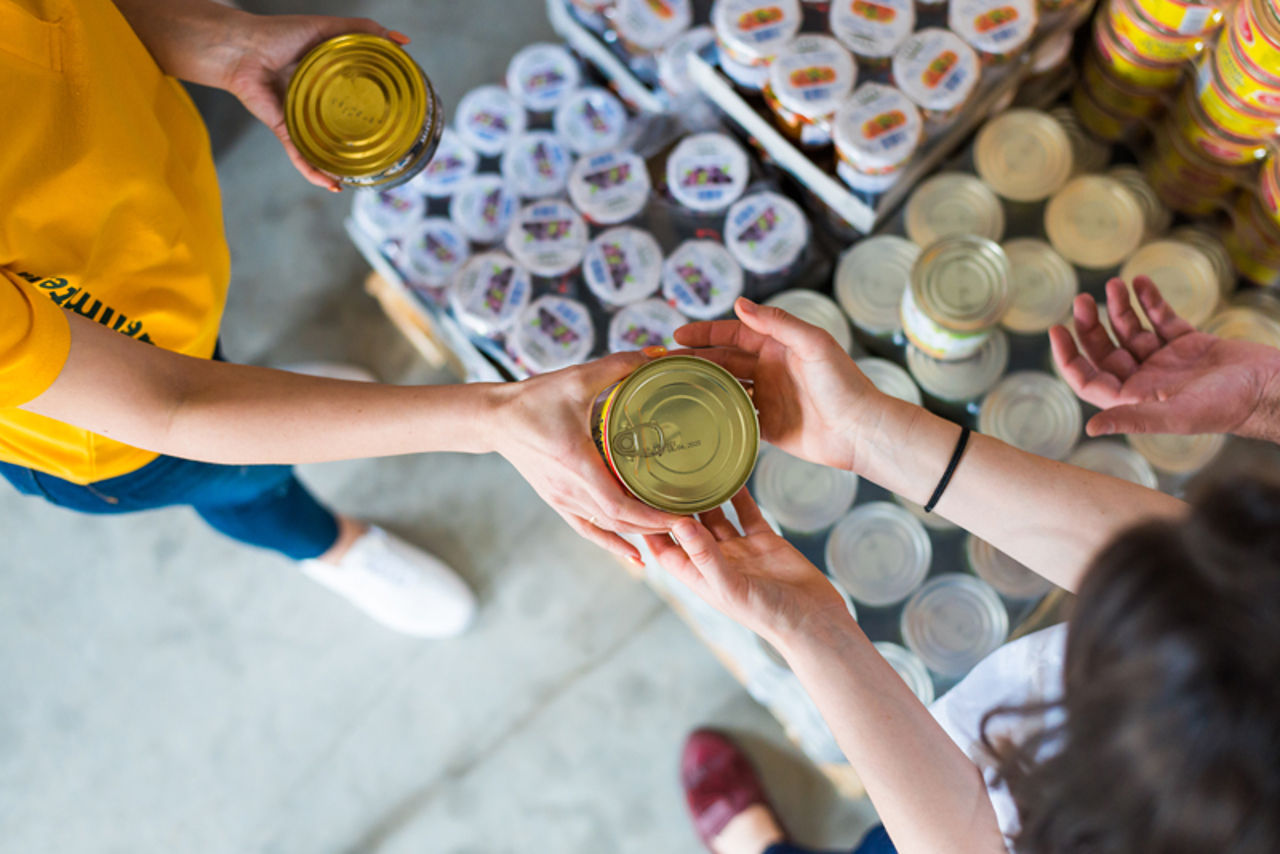
The Food Bank of the Republic of Moldova recovered approximately 230 tons of food products over the past year, equivalent to more than 500,000 meals. Currently, around 100 social services benefit from its support, with donated food reaching more than 12,000 people.
"The Food Bank distributes donations to services that care for vulnerable individuals on a daily basis. This includes social canteens, children’s residential care centers, shelters for mothers and children, and homes for the elderly," explained Oleg Paraschiv, director of the Food Bank, during the "ZI de ZI" program on Radio Moldova.
These donations enable social canteens to provide meals to more people; in some cases, the food aid has even helped social service providers continue operating. The food portions also include items that vulnerable individuals typically cannot afford.
"For example—take kiwis or pineapples. Some elderly people didn't even know what a kiwi was; they mistook it for a potato and didn't know how to eat it," recounted Oleg Paraschiv.
The Food Bank’s work relies on collaboration with businesses that donate products that can no longer be sold but remain perfectly safe for consumption. Volunteers are also involved in the process, organizing food drives in stores across the country. The next such initiative is scheduled for November 28.
Food recovery also has a positive impact on the environment. By preventing waste, not only are the products themselves put to good use, but also the resources used to produce them, such as water and energy. Thus, the initiative contributes both to supporting vulnerable people and to reducing food waste.