Moldovan farmers weigh selling sunflower seeds or storing them
Moldova’s farmers are facing lower sunflower prices after a record 442,000 hectares were planted this year, while rising fuel costs have squeezed profit margins and forced some producers to sell early.
Record production, falling prices
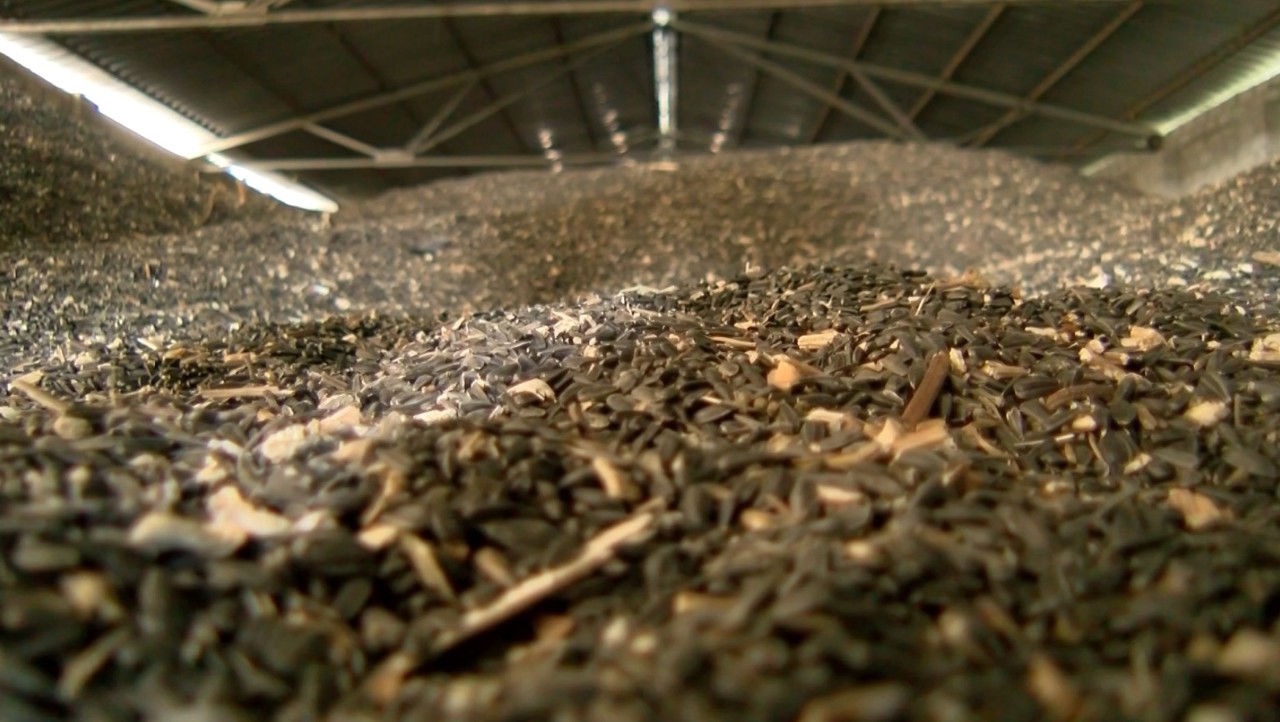
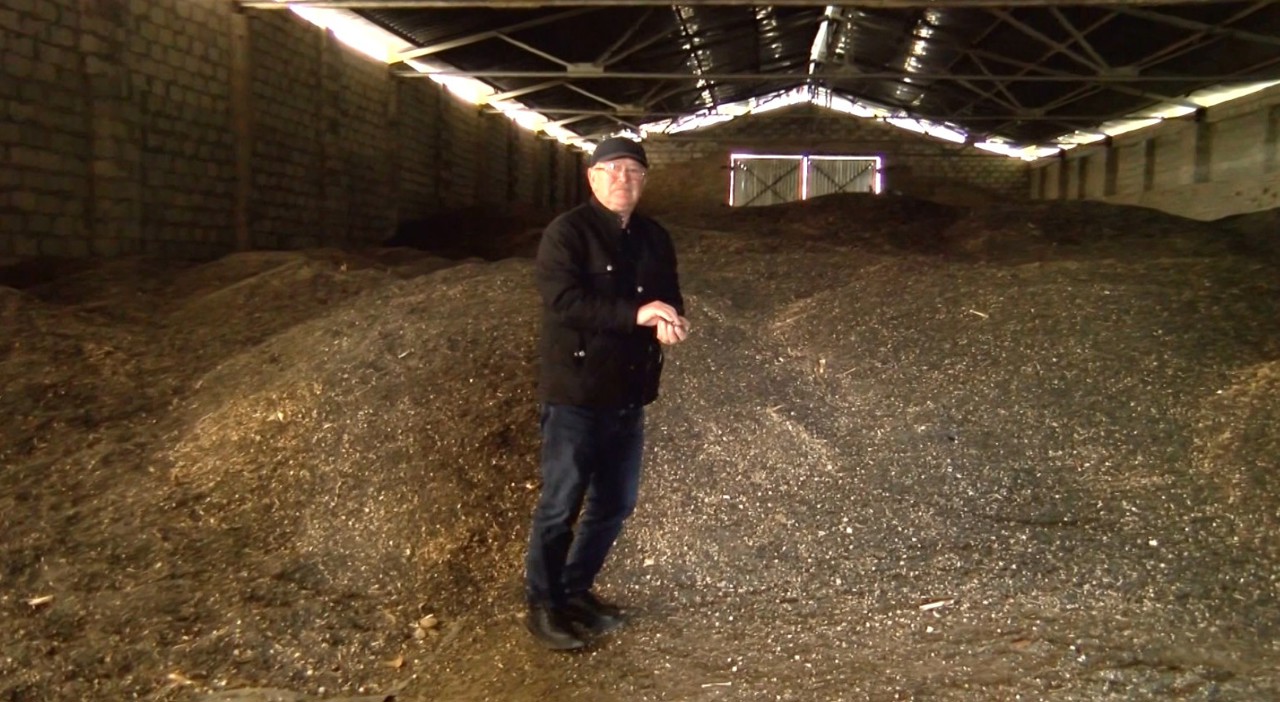
Ion Coțaga, a farmer from Egoreni village in Soroca District, harvested approximately 500 tonnes of sunflower seeds this year. He said he sold a kilogram for nearly 11 lei last year, compared with just over eight lei this year.
“The price situation is paradoxical. Compared with last year, it is much lower, while we are seeing our expenses increase. For example, last year we bought diesel for 17 or 18 lei per litre. This year, we are paying 35 lei, twice as much,” Coțaga said.
The farmer said he had to sell part of his harvest at current market prices to repay loans and cover operating expenses. However, he is holding back the remainder in the hope that prices will improve.
“I have sold 50 tonnes and paid off some of my outstanding loans. If we have no other source of income, we are forced to sell more. But we have decided to wait a little longer. We have another month before the next loan payments are due,” the farmer said.
Regional market pressures
Representatives of the Ministry of Agriculture and Food Industry say the problem extends beyond Moldova. Sunflower production has also increased in other countries across the region, pushing up supply and driving prices down.
The ministry's State Secretary, Vasile Șarban, said the 442,000 hectares planted with sunflowers represent a record for Moldova in at least a decade.
“We cannot control demand. Demand is dictated by major buyers. Prices increased by around 60 bani per kilogram of sunflower seeds after the introduction of the licensing system. Everything depends on demand and the regional market, and not everything is within Moldova's control,” Șarban said.
The official also said that the authorities were monitoring import data through the Customs Service. His assertion that Moldova was not importing sunflower seeds from Ukraine requires clarification against subsequently published ministry data.
Import licensing extended
In August, the Government approved an import licensing regime for grain and oilseed crops. Parliament subsequently extended the measure until December 31, 2026.
The mechanism is intended to give domestic agricultural producers more opportunities to sell their harvest by regulating imports, particularly cheaper products from neighbouring markets.
However, the record sunflower crop and falling prices continue to put pressure on farmers, many of whom must balance immediate financial obligations against the possibility of securing better prices by storing their produce.
Translation by Iurie Tataru
RELATED COVERAGE
- Farmers in Orhei are investing in dryers and storage to protect their sunflower crops despite low prices
- Sunflower harvest expected to be higher this year, experts
- Moldova extends grain import licensing through 2026
- Moldovan farmers threaten protests over grain import policies
- The Republic of Moldova becomes the largest exporter of sunflower seeds in the EU