CNED offers grants up to 60,000 euros for energy-efficient home construction, with applications opening in December
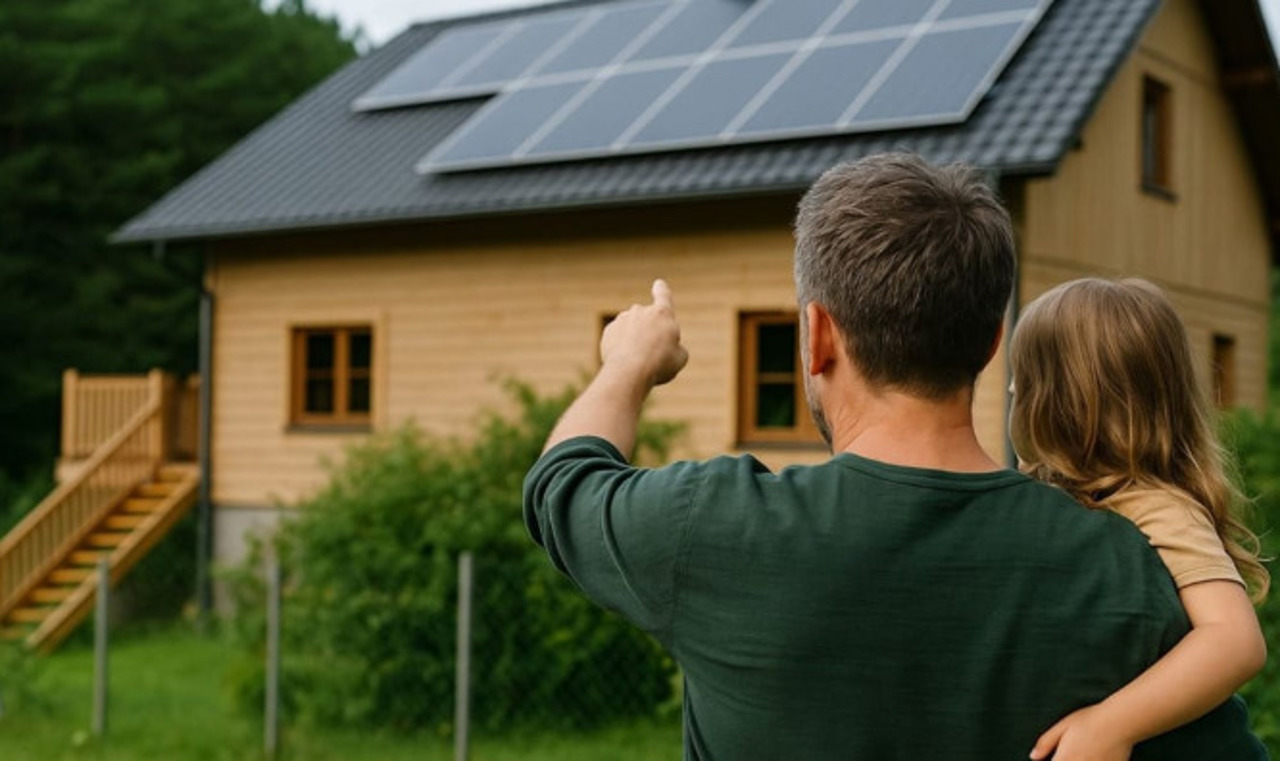
Families in the Republic of Moldova who wish to build a low-energy home or improve the energy efficiency of their current residence will be able to obtain grants of up to 60,000 euros. The National Center for Sustainable Energy (CNED) will launch two pilot programs—"Passive House" and "Advanced nZEB House"—which will be available to 22 households. Funding applications may be submitted starting December 1, 2026.
Through these two financing programs, the authorities aim to encourage the construction of new, low-energy-consumption homes, as well as the modernization of existing ones. The goal is to reduce energy consumption and heating and electricity costs.
Under these two pilot programs, 12 families will receive funding to build passive houses, while ten other households will receive support to upgrade their existing homes to meet the advanced nZEB (nearly Zero-Energy Building) standard.
According to the CNED, buildings account for over half of the energy consumed in the Republic of Moldova, with a significant portion lost due to uninsulated walls, old windows, and inefficient heating systems.
"Reducing energy consumption in the residential sector requires two complementary approaches: building new homes that meet high energy-efficiency standards and the energy-related renovation of existing homes," the institution explains.
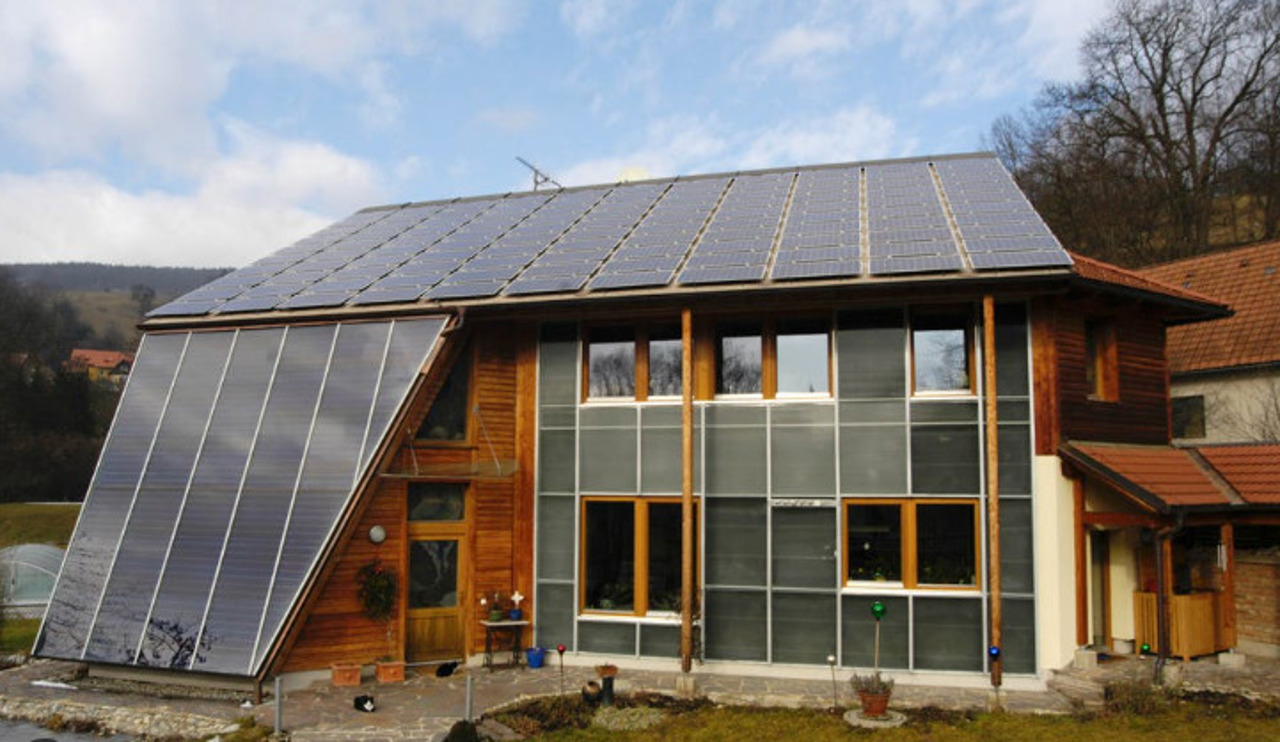
The first program, "Passive House" is intended for the construction of new homes that comply with the international Passive House standard, developed by the Passive House Institute in Darmstadt, Germany. This is one of the most rigorous energy-efficiency standards, requiring very low energy consumption for heating and cooling the home.
For the construction of such a home, beneficiaries may obtain grants of up to 60,000 euros. Beneficiaries must cover any costs exceeding the funding amount from their own resources.
Passive House certification requires adherence to strict criteria, starting from the design phase. Certified specialists must prepare the technical documentation, which is evaluated before construction begins.
Throughout construction, inspections and measurements are conducted, including airtightness tests. Final certification is granted only if the home meets all the standard's requirements.
Up to 25,000 euros for the energy renovation of homes
The second program, "Advanced nZEB" (aNZEB), is aimed at homeowners who wish to improve the energy efficiency of existing residences, bringing them to performance levels that exceed the minimum requirements for "nearly zero-energy buildings" (nZEB).
The CNED will provide grants covering up to 50% of eligible expenses, capped at 25,000 euros per home. Beneficiaries must pay the remaining balance from their own resources. The renovation works will aim to significantly reduce energy consumption and utilize renewable sources to meet a substantial portion of the home's energy needs.
These efforts will not be limited to insulating walls or replacing windows; instead, they will focus on improving the energy efficiency of the entire building.
Families with multiple children will be given priority
When selecting beneficiaries for the two funding programs, families with multiple children will be given priority.
According to the National Center for Sustainable Energy (CNED), the programs will initially be launched as a pilot phase to assess actual investment costs, the efficiency of technical solutions, and the energy savings achievable within the context of the Republic of Moldova.
"The results of the pilot projects will help identify the most technically and economically optimal solutions, evaluate the ratio between investments made and energy savings achieved, and provide a basis for financial support mechanisms that could subsequently be expanded nationwide," the institution states.
To carry out these projects, dozens of designers and engineers in the Republic of Moldova have already completed specialized training and obtained international certifications, authorizing them to design and oversee such work.
Funding applications may be submitted starting December 1, 2026. Detailed eligibility criteria and the application submission procedure will be published through the official channels of the National Center for Sustainable Energy.
The "Passive House" and "Advanced nZEB House" programs will be implemented by the CNED in collaboration with the Ministry of Energy, with support from Denmark and Germany, through the "Energy Efficiency and Renewable Energy for Moldova" (E4M) project, implemented by GIZ Moldova.