Chisinau ratifies Ukraine defense pact despite opposition pushback
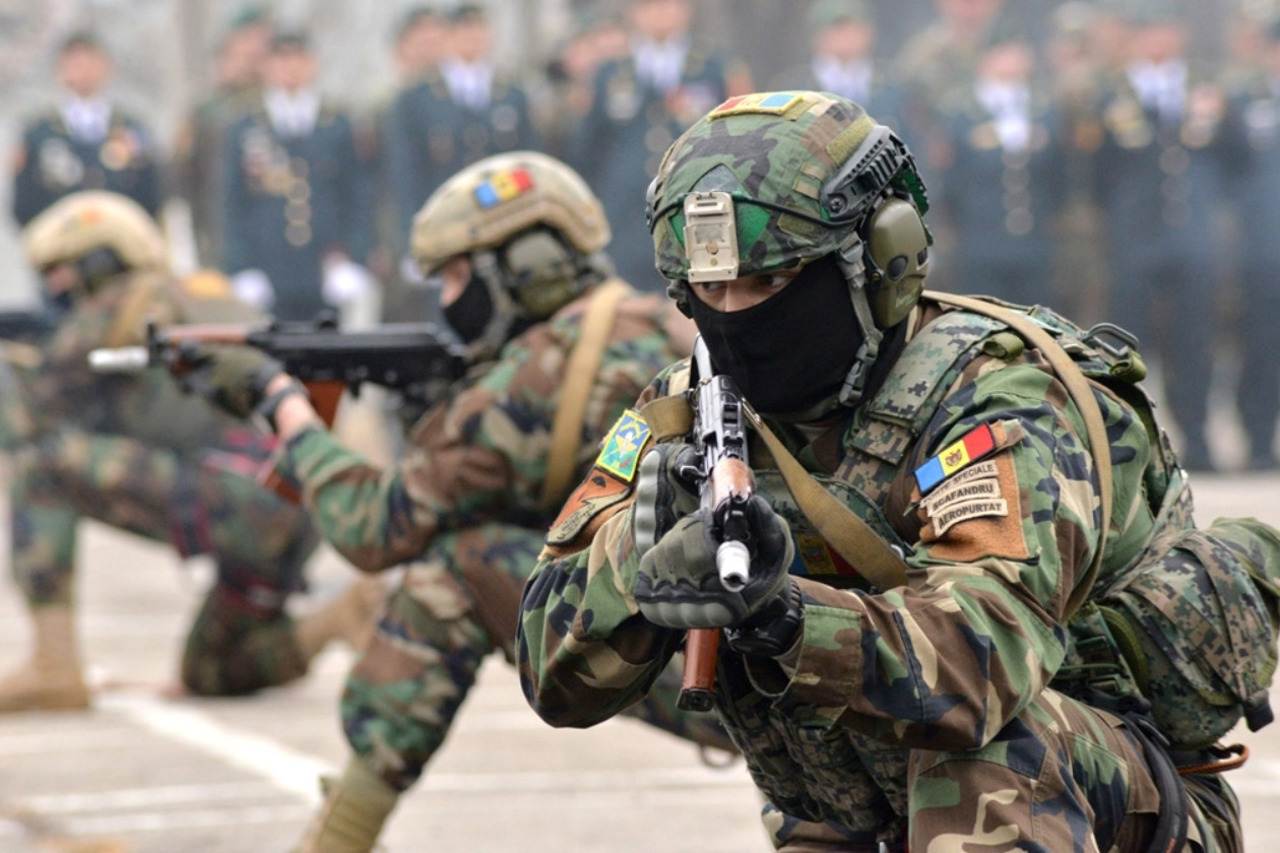
Moldova’s parliament ratified a bilateral defense agreement with Ukraine on Wednesday, brushing aside opposition warnings that the technical cooperation pact could undermine constitutional neutrality and draw the country into conflict.
The legislation passed with 56 votes from the ruling Action and Solidarity Party (PAS). Officials confirmed the accord excludes direct military assistance, lethal weapon deliveries, or the stationing of foreign troops on Moldovan soil.
Focus on Air Defense and Intelligence Sharing
Defense officials emphasized that the five-year agreement focuses primarily on technical consultations, cyber defense, and sharing expertise. A central priority is airspace surveillance and countering unmanned aerial vehicles, drawing on Ukraine’s battlefield experience against Russian drone incursions.
“Military-technical cooperation under this agreement entails consultation, analysis, and the exchange of technical or scientific information without operational effect,” said State Secretary for Defense Ghenadie Cojocaru.
Cojocaru noted that Article 5 introduces a mandatory prior risk assessment for every activity, developed in coordination with the Security and Intelligence Service (SIS) to ensure constitutional compliance.
Opposition Demands Unilateral Suspension Rights
Parliamentary opposition factions, led by the Socialists and Communists, criticized the scope of the treaty. Socialist lawmaker Marcel Cenușa argued that an initial recommendation by the intelligence service allowing immediate unilateral suspension had been diluted into a 72-hour consultation mechanism under Article 11.
“SIS expressly requested that Moldova have the right to suspend the agreement with immediate effect if a threat to our security or neutrality arises,” said Cenușa, calling for biannual ministerial oversight and strict limits on non-lethal assets.
Communist MP Adrian Domentiuc also urged caution, arguing that neutrality requires avoiding any agreements that could indirectly entangle Moldova in hostilities.
Reconciling Defense Preparedness with Neutrality
Addressing the debate, Lilian Carp, head of parliament's national security committee, dismissed the opposition's arguments as political propaganda and maintained that constitutional neutrality requires robust deterrence capabilities.
“Neutrality does not mean combat incapacity. Neutrality does not mean being disarmed. Neutrality does not mean being weak,” said Carp, adding that regional security pressures make modernizing defense equipment essential.
Originally signed in Kyiv on October 26, the agreement will automatically renew every five years unless either side terminates it via diplomatic notification six months in advance.
Translation by Iurie Tataru
RELATED COVERAGE
- Moldova's military deal with Ukraine sparks heated parliamentary row
- Moldova's socialists demand release of Kyiv defense pact
- Moldova and Ukraine will sign a new military agreement
- Moldova and Ukraine to modernize 1993 defense pact with focus on dual-use tech
- Nosatîi on opposition's criticism of the Ukraine military deal: They serve Moscow's interests