Environment minister urges Chisinau to secure backup water sources
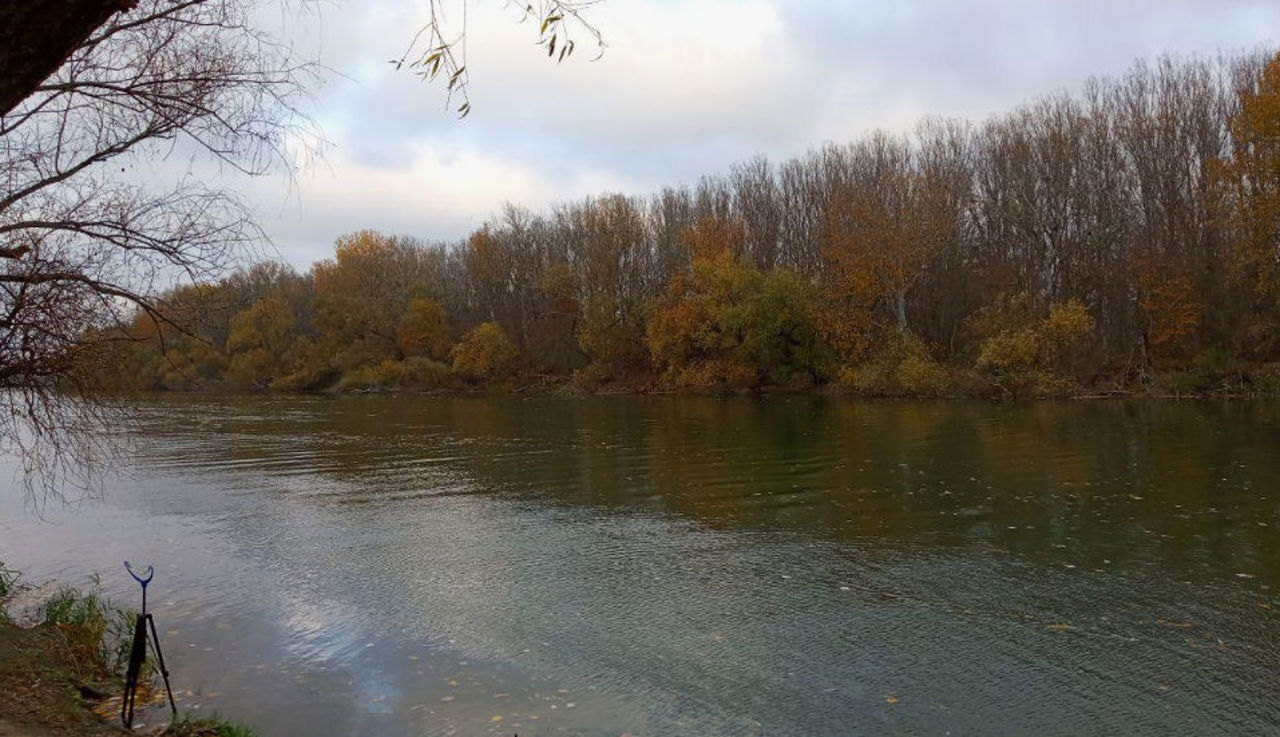
Environment Minister Gheorghe Hajder warned that Dniester River water reserves remain dangerously depleted, urging Chisinau authorities and municipal utilities on Thursday to secure alternative drinking water supplies before severe summer droughts return next year.
Although the river’s water flow has temporarily stabilised, reserves in the critical Novodnistrovsk reservoir upstream in Ukraine remain well below seasonal norms. Hajder stressed that municipal operators must modernise distribution networks now to prevent severe shortages next summer.
Depleted upstream reserves pose medium-term risks
Discharge rates from Ukraine’s Novodnistrovsk reservoir currently average 55 cubic metres per second, allowing water levels to edge up slightly to 111.25 metres. However, volumes remain significantly below standard averages for this period.
“Although the situation looks better right now, the problem has not disappeared over the medium and long term,” Hajder wrote in an official statement. “I urge all mayors and water utility operators to continue adapting infrastructure to these new realities and identify alternative water sources. We cannot risk facing the exact same crisis next year.”
The minister addressed a specific appeal to Chisinau City Hall and municipal supplier Apă-Canal Chișinău, demanding long-term strategic investments so that the capital’s tap water supplies no longer depend entirely on fluctuating river depths during drought periods.
“I urge Chisinau City Hall and Apă-Canal Chișinău to use this window rationally and build a durable solution,” the official said. “Our citizens need confidence that drinking water will flow from their taps regardless of Dniester levels next summer or in the years ahead.”
Emergency measures and transboundary flow agreements
Moldova declared a 60-day nationwide state of emergency across its energy and hydrological sectors on 26 September, prompted by persistent drought and severely depleted riverbeds. The regime grants authorities exceptional intervention tools to manage water use.
On 14 October, bilateral negotiations between Chisinau and Kyiv resulted in an agreement to boost reservoir outflows from Novodnistrovsk by approximately 20 percent. Both countries continue to manage acute water deficits across the basin.
The crisis reached historic extremes in late August, when incoming water volumes at Novodnistrovsk collapsed to 14–15 cubic metres per second—the lowest inflow recorded since measurements began—down from an average of 38 cubic metres per second earlier that month.
Hydrological standards mandate an ecological and sanitary minimum flow of 100 cubic metres per second downstream from the Novodnistrovsk complex. Maintaining this threshold is essential to preserve the riverbed ecosystem and safeguard drinking water for downstream municipalities, including the capital city.
Translation by Iurie Tataru
RELATED COVERAGE
- Recent rains fail to end Dniester River crisis, experts say
- Moldova warns of severe water crisis amid historic drought
- Moldova allocates high-capacity water pumps to secure capital supply
- Chisinau is ready for any scenario, storing water in hospitals and kindergartens
- Moldova digitizes Dniester monitoring to boost water security