Moldova’s rights reforms must reach local communities
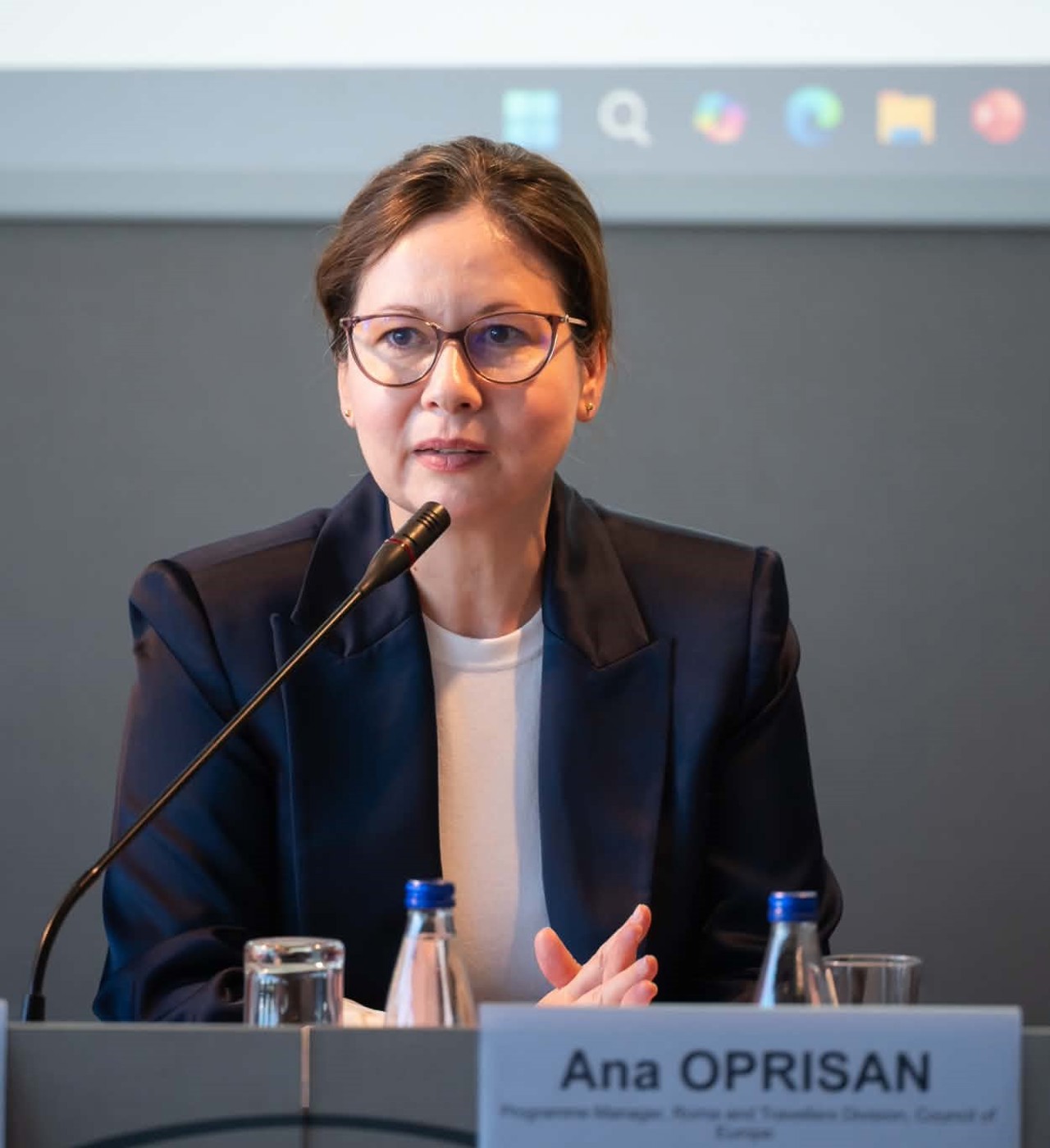
Moldova has made progress aligning its laws with European human rights standards but must now ensure reforms change everyday practices, especially in local communities, Ana Oprișan of the Council of Europe said.
More than 800 professionals trained
Projects implemented by the Council of Europe in the Republic of Moldova aim to support the country's European integration through technical assistance to improve legislation and educational resources for public institutions and civil society.
“Over the past two years, through the project I supervise, we have strengthened the capacity of more than 800 professionals working in this field, including members of the judiciary, police officers, central and local government employees, and specialists working with minority communities,” Ana Oprișan said.
The Council of Europe representative also highlighted the importance of cooperation with national institutions in promoting minority inclusion and strengthening social cohesion.
She praised the involvement of the Ministry of Education and Research in improving legislation and institutional practices in this area.
“The Agency for Interethnic Relations, which is now part of the Ministry of Education and Research, has been an excellent partner in our projects. I would also like to highlight the Ministry's commitment to improving legislation, practices and standards concerning the inclusion of national minorities. All these efforts make a significant contribution to strengthening social cohesion, which we so urgently need,” Oprișan said in an interview with Radio Moldova journalist Anatol Caciuc.
Combating hate speech and discrimination
The Council of Europe also supports Moldovan authorities and civil society in developing effective mechanisms to combat hate speech and discrimination against vulnerable groups.
“We help authorities understand the need to strengthen their capacity to identify and enforce the law in cases involving hate speech and discrimination against minorities. These include the Roma minority and LGBTQ+ people. We work together with civil society and relevant institutions to develop standards and mechanisms to improve Moldova's legislation in this area,” Oprișan explained.
The official also praised the commitment and openness of young professionals working in state institutions towards reform.
However, she stressed that adopting laws, strategies and action plans is not enough unless these measures translate into tangible improvements in people's lives.
“I believe the Republic of Moldova is well positioned in terms of its commitment to making progress in this field. It is encouraging to see young, highly dedicated people in public institutions who are committed to contributing to reforms. Change is not always easy. Even when legislation is amended or strategies and action plans are developed in line with agreed standards, ordinary citizens need to see these changes in practice to understand their impact and benefits,” the head of the Thematic Cooperation Unit said.
Turning reforms into tangible results
According to Oprișan, reforms must deliver concrete results at community level so that their benefits can be felt by every citizen.
This requires sustained efforts to change public attitudes and strengthen respect for human rights, particularly in a regional context marked by successive crises, including the COVID-19 pandemic and Russia's war against Ukraine.
“Changing public attitudes requires continuous effort, while levels of understanding and compliance must be monitored regularly. The results of these campaigns can be seen in the way society interacts and responds. Most importantly, however, they are reflected in how institutions perform their duties and adopt ethical and legal standards aligned with those of the Council of Europe and the European Union,” Oprișan concluded.
Translation by Iurie Tataru
RELATED COVERAGE
- Moldova to add antigypsyism to school curricula
- From violence to propaganda: The evolving challenges for Moldova’s LGBTI+ community
- Promo-LEX criticizes the proposed amendments to the Contravention Code regarding hate speech and online disinformation
- Flashmob in the center of Chisinau. Community representatives demand observation of their rights
- OSCE Commissioner visits Chisinau, highlighting equal rights and opportunities for all