Moldova will issue free digital identity wallets to citizens
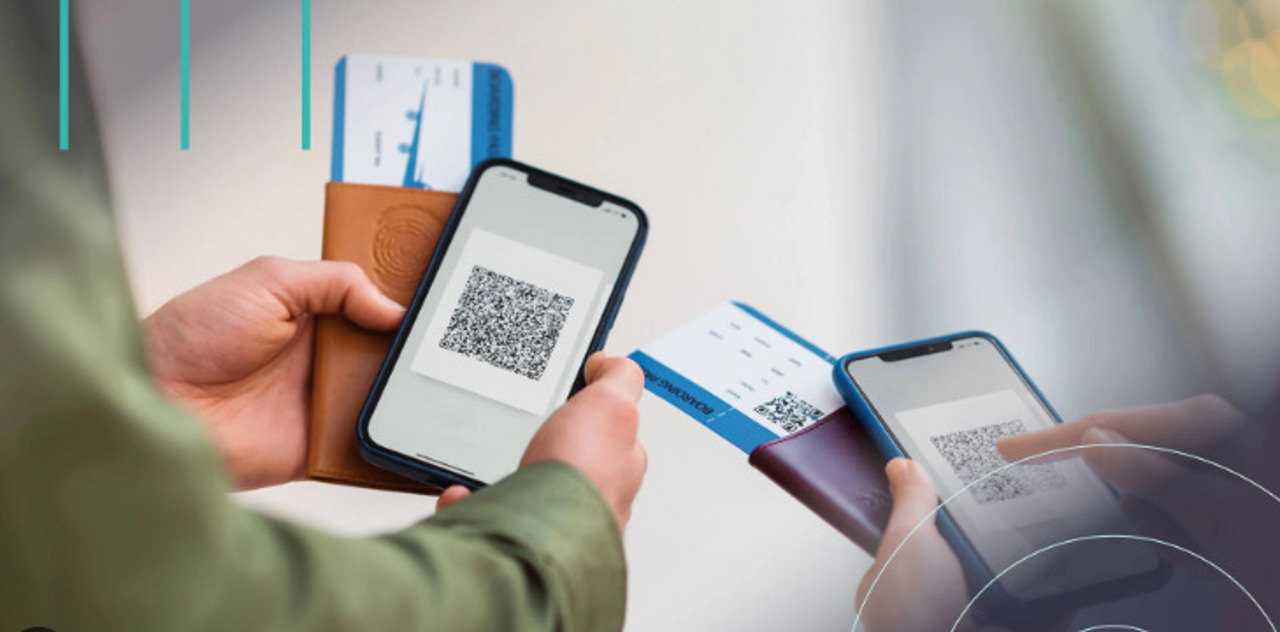
The Republic of Moldova will introduce digital identity wallets, enabling citizens and companies to identify themselves electronically and access public and private services more easily, without the need to visit service counters in person or present paper-based documents. The legal framework for implementing this system is set out in a draft law on electronic identification and trust services, which is to be submitted to Parliament for approval in the first reading by the Committee on National Security, Defense, and Public Order.
The initiative aims to develop, at a national level, digital wallets similar to the European Digital Identity Wallet (EUDI Wallet). These will be available to individuals and legal entities for electronic authentication, accessing online and offline services, and presenting digital documents that confirm a person’s identity, qualifications, or status.
Consequently, users will be able to store and use electronic versions of attestations regarding personal and professional attributes—including university degrees, academic qualifications, and other relevant documents—according to a statement from the Parliament.
The introduction of digital wallets will facilitate a transition from the current system—which largely relies on in-person visits to institutions and paper-based documentation—to one where interactions with authorities can take place electronically. According to the authors, this shift will reduce wait times and administrative costs while simplifying procedures for both citizens and businesses.

Another significant feature will be the ability to create and use qualified electronic signatures and seals. In this context, individuals will receive a qualified electronic signature for non-professional use free of charge, facilitating access to secure digital services.
The Government will ensure the operation of at least one digital wallet, issued free of charge to all individuals. However, the use of this solution will remain voluntary; citizens who choose not to adopt the new system will still be able to access public services using other available identification methods.
The Ministry of Economic Development and Digitalization—the drafter of the proposal—suggests that the digital wallet be developed based on the "EVO" application, which was created by the e-Governance Agency and made available by the Government. This option would reduce costs, save time, and lower implementation complexity compared to developing a new application from scratch.
The draft law also establishes a supervisory mechanism for trust service providers, along with proportionate sanctions for non-compliance with legal requirements. The body responsible for supervision will be designated by the Government within three months of the law’s publication. Until then, the Intelligence and Security Service will carry out these supervisory duties.
This new regulation aims to modernize national legislation regarding electronic identification and trust services, while also aligning it with European standards. The reform is included in the Reform Agenda associated with the Republic of Moldova’s Growth Plan for the 2025–2027 period. The draft's authors propose that the law enter into force 12 months after its publication in the Official Gazette.