Russian Embassy’s “anti-Russian provocations” statement sparks mixed reactions in Parliament
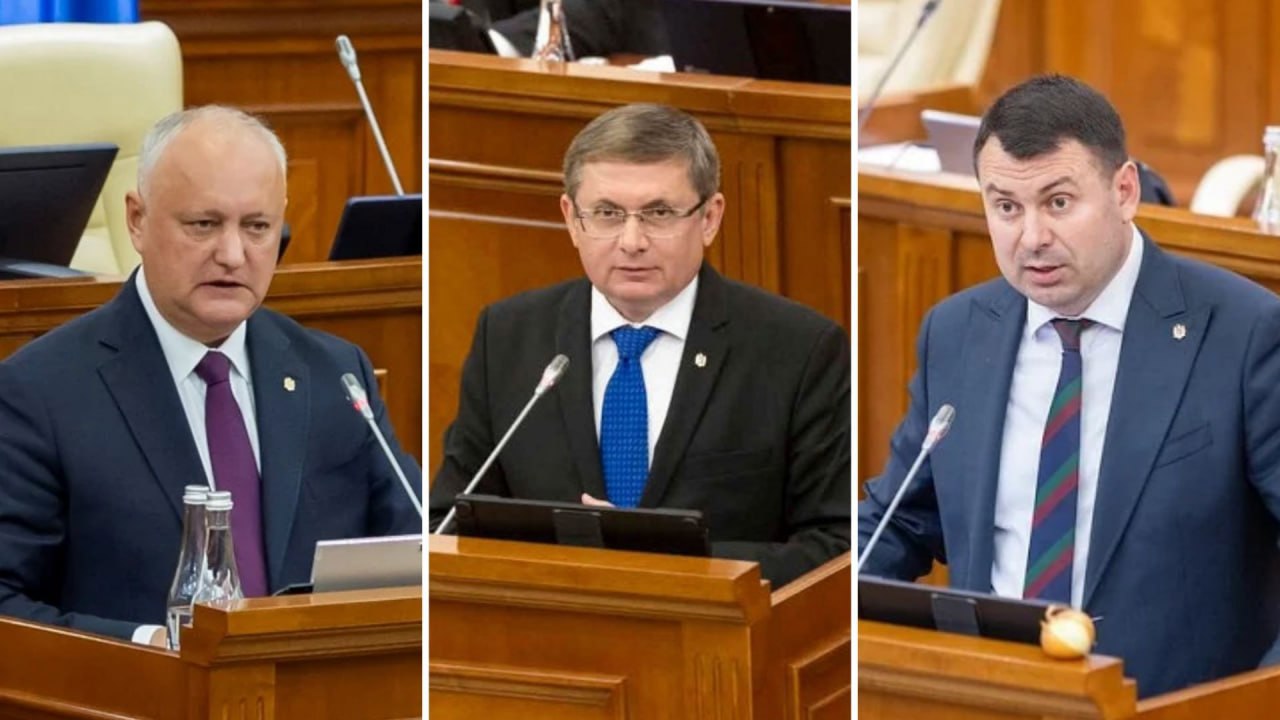
Statements by the Russian Embassy in Chisinau alleging that an “anti-Russian provocation” is being prepared in the Republic of Moldova in the coming days have sparked mixed reactions in Parliament. Speaker Igor Grosu has rejected the accusations, saying that it is Russia that is fueling tensions and threatening the country's security.
At the same time, Igor Dodon, leader of the Party of Socialists, advocates supporting peace initiatives and warns that the Republic of Moldova could become involved in the war in Ukraine. For his part, the leader of the "Democracy at Home" party, Vasile Costiuc, criticizes both the messages coming from the Russian diplomatic mission and the way the authorities in Chișinău communicate on security issues, arguing that such communication could heighten public anxiety.
Dodon: "The next few weeks will be a very critical period"
"We must support any peace agreement, whether it comes from Trump, Putin, Xi Jinping, or anyone else. I am very concerned—and I say this quite sincerely—because we all live in this country, and this is where we will remain, along with our loved ones. We must do everything possible to ensure we are not used as an instrument for provocation and to prevent the spread of the war currently taking place in Ukraine. We must avoid being drawn into this war ourselves", stated Igor Dodon, who is known for his pro-Russian stance. In this context, the socialist criticized several actions taken by the government, including certain legislative initiatives and the "Moldova Prepared" information campaign.
"Maia Sandu showed strength of character in 2022 and did not allow us to be drawn into the conflict. I truly hope that the country's leadership will, once again, prevent us from being dragged into this war in the coming period. And I say this in all sincerity: the next few weeks will be a very critical time. The government's actions—through the laws they are pushing forward, the statements they are making, the '72-hour' [scenario], and various other matters—give me pause and lead me to believe that they are preparing to pull us into a state of destabilization. I want to issue a warning: the citizens understand perfectly well what is happening, and the leadership of the country must take this into account," stated Dodon.
Costiuc: "The provocations seem to originate from the same command center"
Vasile Costiuc, leader of the "Democracy at Home" party, also criticized the way the authorities communicate information regarding security risks.
He pointed to President Maia Sandu's actions, who reportedly cut short her visit to Berlin and returned to the country amid security threats. According to Costiuc, the authorities subsequently failed to provide any details regarding the nature of these threats. "It is strange to hear about potential provocations from the Embassy of the Russian Federation. But when have we not had provocations in Chișinău? When have we ever been without them? And, every single time, these provocations originate from more or less the same command center", stated Vasile Costiuc.
At the same time, the leader of the "Democracy at Home" party urged state institutions to prepare for potential provocations and called on citizens to remain calm and not act on messages that could further escalate tensions in society.
Grosu: "The only state that poses a danger to the security of the Republic of Moldova is the Russian Federation"
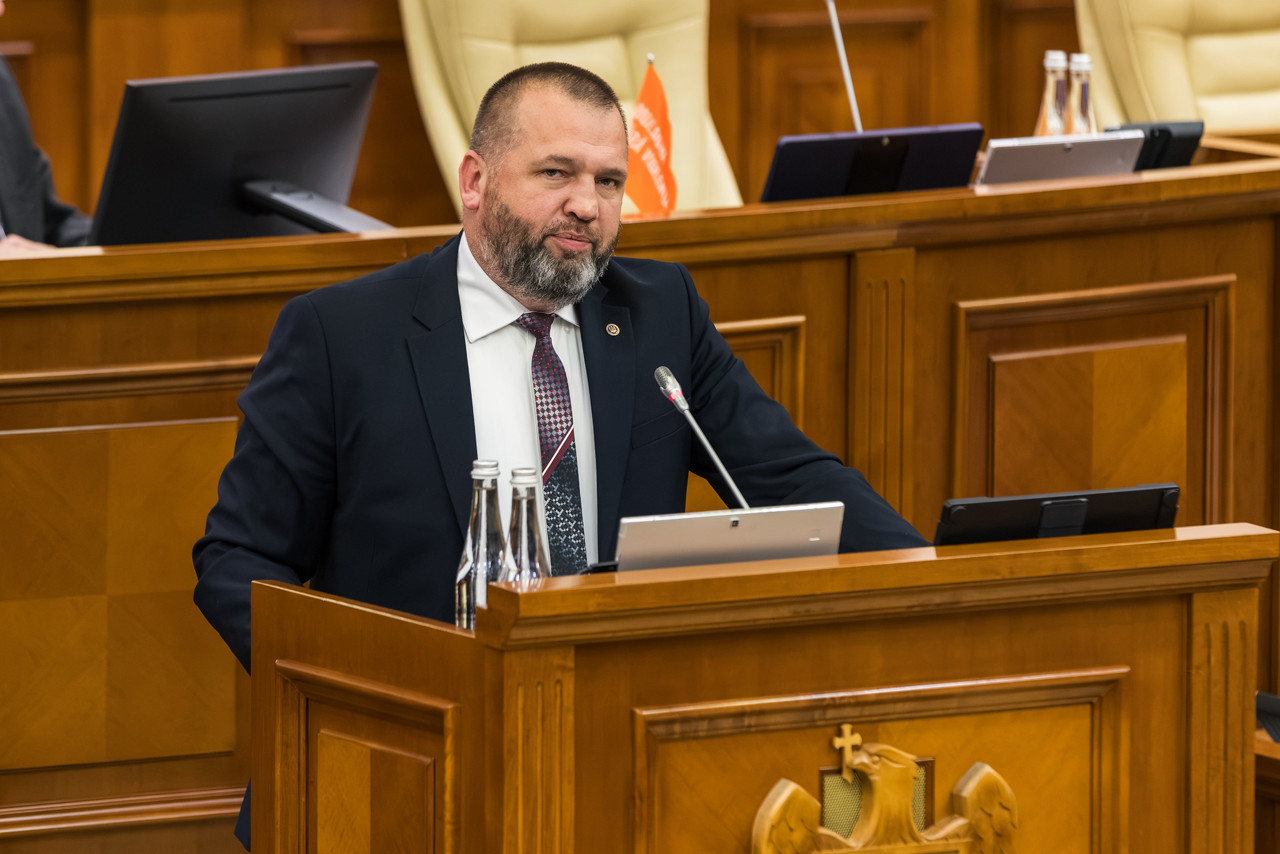
The Russian Federation is the only state generating tensions in the region and threatening the security of the Republic of Moldova, said Igor Grosu, Speaker of Parliament and leader of the Party of Action and Solidarity.
According to him, state institutions must carefully monitor the situation and remain prepared for potential provocations.
"The only state causing tensions in this part of Europe is the Russian Federation. It is the one resorting to provocations, attacks, interventions, invasions, and so on. They have likely done something, or are contemplating doing something—some sort of mischief. Those with a guilty conscience have done something and are now trying to justify themselves," commented Igor Grosu.
The Parliament Speaker said the need to remain vigilant, noting that the National Security Strategy outlines the primary threats to state security. According to Igor Grosu, the document highlights two major threats: corruption, internally, and the Russian Federation, externally.
"Therefore, based on these two factors, in this part of Europe, the only state that poses a danger to the security of the Republic of Moldova is the Russian Federation," concluded Igor Grosu. ***
The reactions from members of parliament follow a statement issued on November 25 by the Embassy of the Russian Federation in Chișinău, in which it claimed—without providing evidence—that it had received information regarding the preparation of an "anti-Russian provocation" in the coming days, allegedly aimed at "radically damaging relations between Russia and the Republic of Moldova."
The government in Chișinău rejected these accusations, characterizing the Russian diplomatic mission's message as an information operation—a diversion intended to distract from the repeated violations of the Republic of Moldova’s airspace by Russian drones, incidents that endanger the safety of its citizens.
"We are dealing with a classic case of Russian propaganda: last week they were sending drones over Chișinău, and today they are the ones warning us that someone is preparing provocations. Regarding the alarmist claims made by certain politicians, I would like to clarify that the Government’s priority remains unchanged: the country's peace and security. We urge these politicians to stop frightening people with narratives fabricated in Moscow," commented Dumitru Ciorici, the Government spokesperson.
In total, since the Russian Federation launched its war against Ukraine nearly five years ago, 122 drones and missiles have illegally entered the airspace of the Republic of Moldova—the majority of them (85) occurring this year.
Dozens of drones crashed on the territory of the Republic of Moldova, including near residential areas, causing material damage.