Moldova's connection to SEPA has saved citizens and companies over 18 million euros
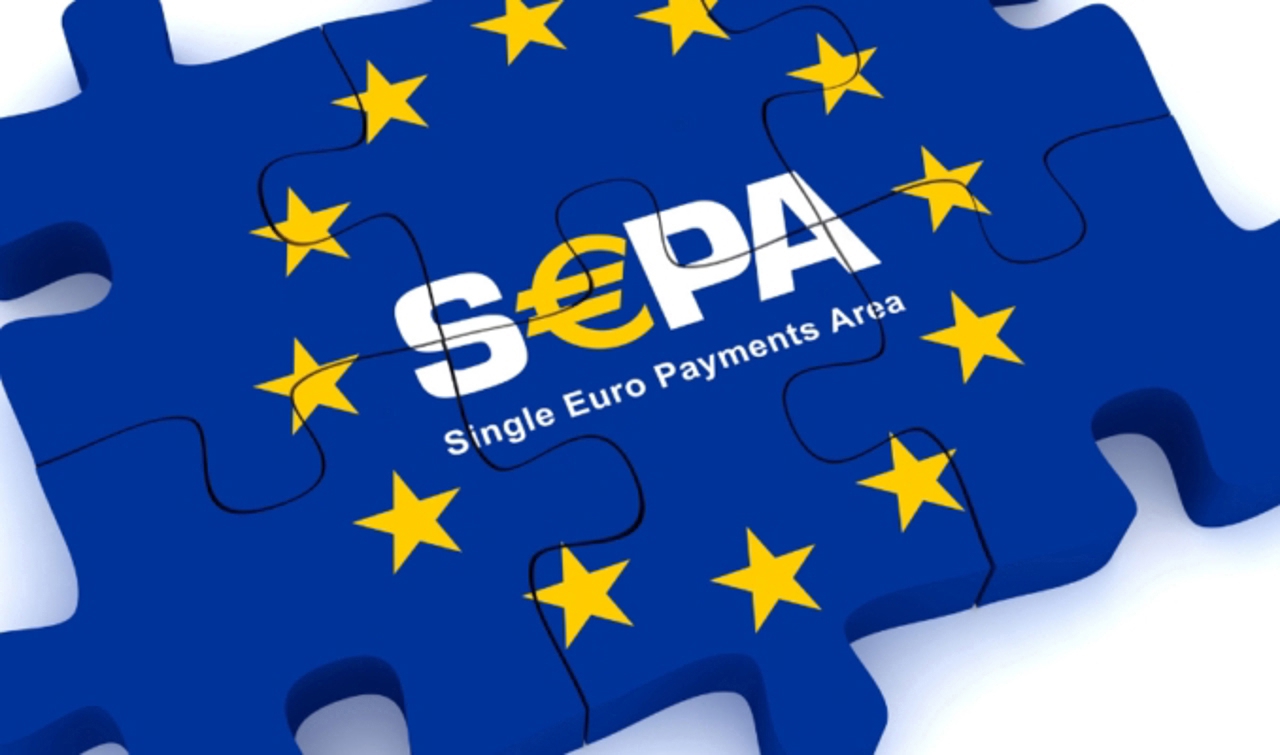
Citizens and companies in the Republic of Moldova have saved approximately 18.2 million euros in the 13 months since the country joined the Single Euro Payments Area (SEPA). During this period, around 1.4 million transfers were made through this system, and the average cost per transaction dropped to about one euro, down from the previous fees of 20–200 euros.
According to the National Bank of Moldova (NBM), 82.4% of cross-border transactions in euros are currently processed via the SEPA system, which the Republic of Moldova joined in October 2025.
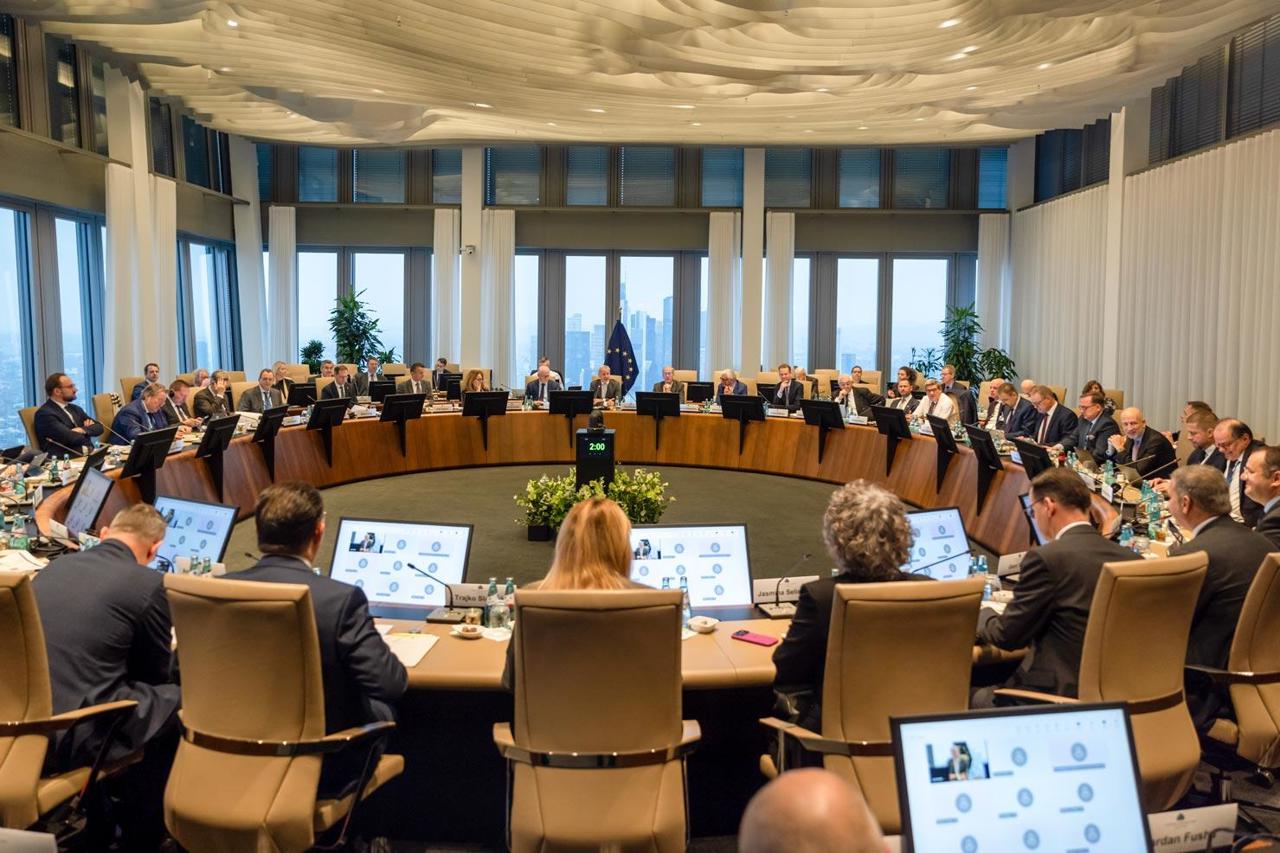
"A European transfer that used to cost between 20 and 200 euros is now carried out, on average, for about 1 euro. Consequently, citizens and companies in the Republic of Moldova have already saved approximately 18.2 million euros—funds that remain within the economy and support business development. These results confirm that European integration brings tangible benefits to us all and contributes to increasing prosperity," stated NBM Governor Anca Dragu on November 26 in Frankfurt, Germany, during a seminar held by the General Council of the European Central Bank for central banks from countries seeking accession to the European Union.
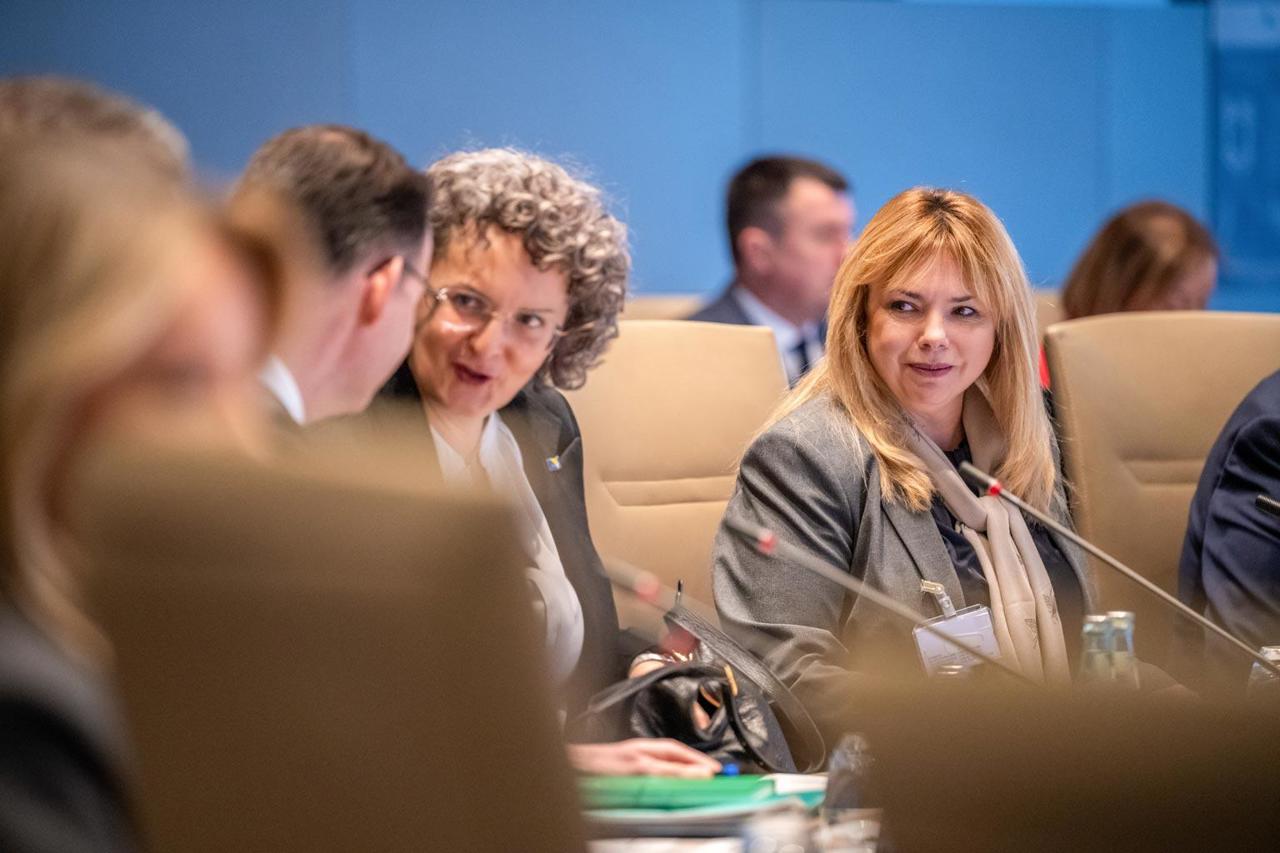
Anca Dragu stressed that the Republic of Moldova’s accession to SEPA reflects progress in aligning national legislation with European law, particularly in payment services and efforts to combat money laundering and terrorist financing.
Nearly 1.1 million users of the MIA Instant Payments system
Progress has also been made in modernizing the national payment system. The MIA Instant Payments system, developed by the National Bank of Moldova (NBM), has reached nearly 1.1 million users, with more than 38.8 million transactions processed since its launch.
According to the NBM, financial sector modernization and the alignment of regulatory and supervisory frameworks with European standards help strengthen the stability and credibility of the Republic of Moldova’s financial system.
Cooperation with European central banks and financial institutions also facilitates the exchange of expertise needed for the EU accession process.
The adoption of European standards is also intended to create better conditions for savings, investment and business development, benefiting both citizens and the business community.