Chisinau stays silent on legal grounds for Krasnoselski exit ban
Moldovan authorities have yet to disclose the legal basis for a five-year exit ban imposed on separatist leader Vadim Krasnoselski, more than a week after confirming the restriction upon his return from Moscow.
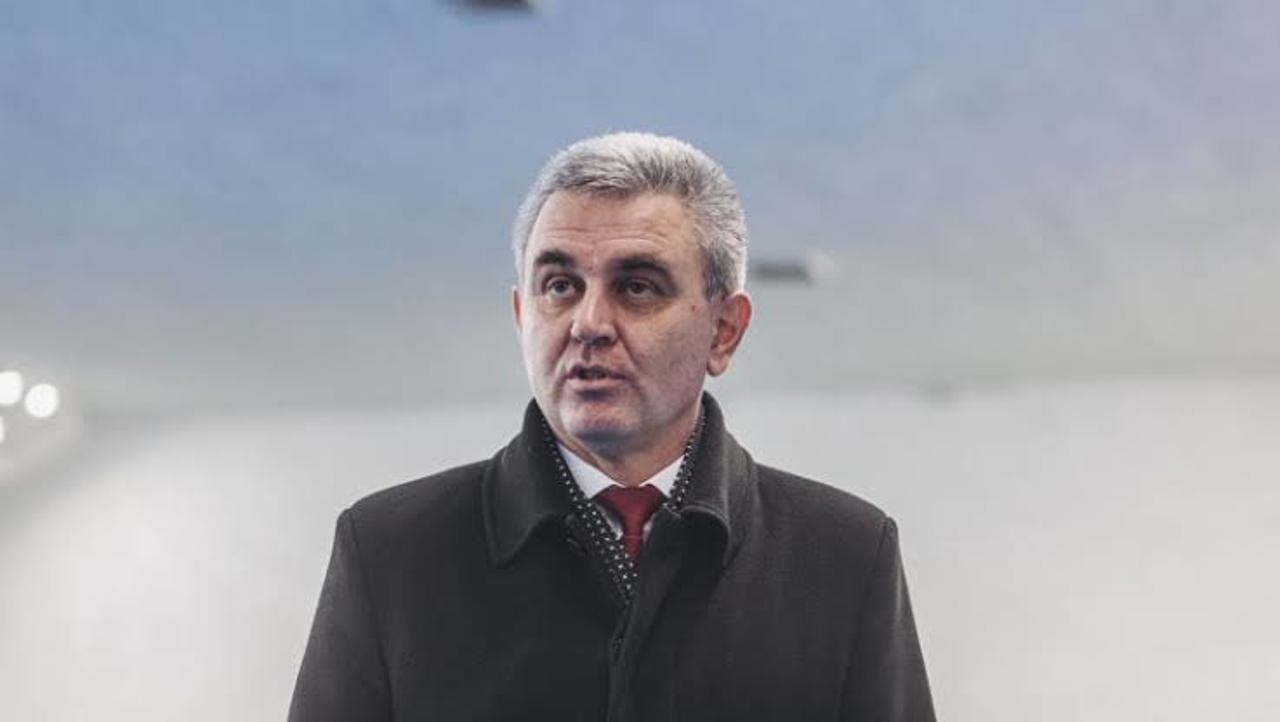
Krasnoselski, who heads the separatist administration in Tiraspol on the left bank of the Dniester, said he has received no official document notifying him of the measure. Key state institutions in Chișinău have so far declined to clarify the legal grounds behind the decision.
Officials deflect questions over legal framework
When asked about the reasons and legal basis for the ban, Parliament Speaker Igor Grosu directed reporters to the Government.
“The legal framework is with the Government. I know that they know, and they know that I know that they know,” said Grosu. Pressed on whether officials actually knew and why they were withholding the details, he added: “They know, I know that they know. They will tell you.”
Moldova 1 also requested explanations from the Government, including the Minister of Justice, who declined to answer questions. Neither Moldova's Intelligence and Security Service nor the Bureau for Reintegration Policies provided clarifications on the legal grounds for the restriction.
Moscow visit, Kremlin award and winter gas talks
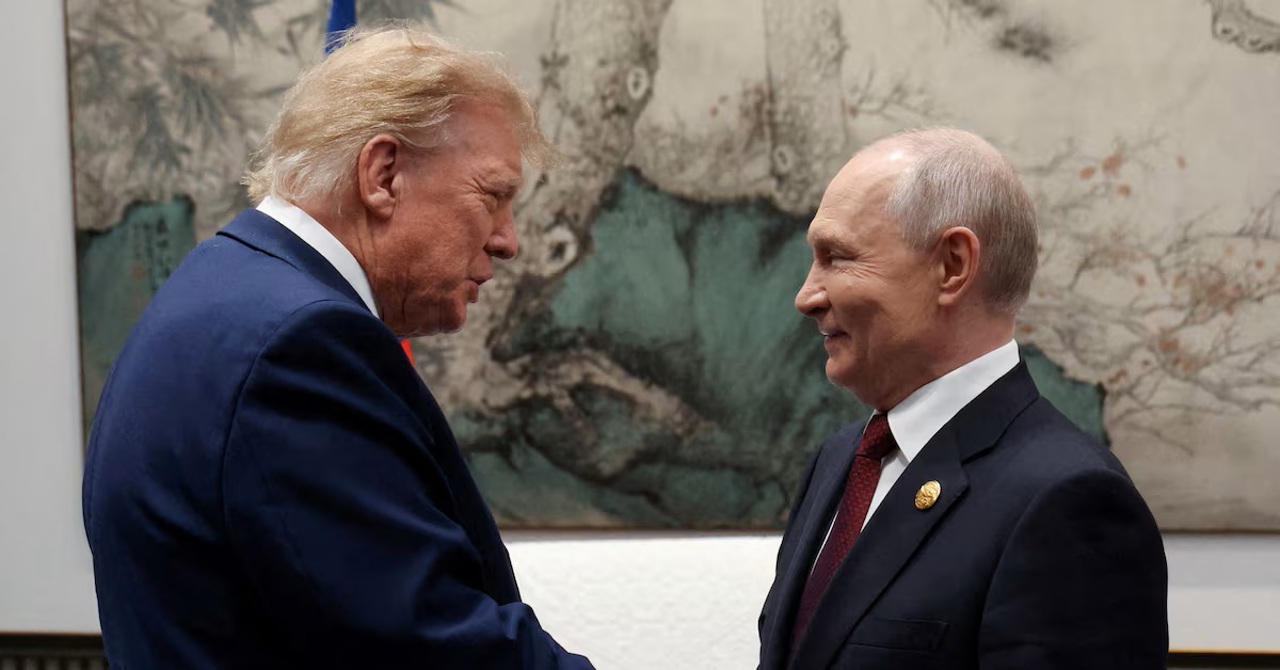
Authorities in Chișinău first announced on November 5 that they would impose restrictive measures on Krasnoselski, including a five-year ban on leaving Moldova, after Russian President Vladimir Putin awarded him Russia's Order of Honour in Moscow. During the visit, the separatist leader described the left bank of the Dniester as part of the “Russian world.”
According to the Kremlin, the distinction recognized his contribution to the “development” of the breakaway region, the promotion of the Russian language and the defense of what it termed “historical truth.”
Prime Minister Vasile Tofan explained that Chișinău chose the exit ban to avoid escalating tensions without barring Krasnoselski from returning to Tiraspol. When Krasnoselski landed at Chișinău's “Eugen Doga” International Airport on Sunday, November 15, Government spokesperson Dumitru Ciorici confirmed that he was allowed to enter Moldova but would be prohibited from leaving the country through state border crossing points for five years.
According to the Bureau for Reintegration Policies, Krasnoselski's trip to Moscow took place amid talks facilitated by the Organization for Security and Co-operation in Europe (OSCE) on winter natural gas supplies for the left bank of the Dniester. The region currently receives gas purchased on the European market through a Russia-funded mechanism; Chișinău officials noted that deliveries are secured through the end of 2026, while supplies for 2027 remain uncertain.
End of second term approaching
Krasnoselski has led the separatist administration in Tiraspol since December 2016 and is nearing the end of his second term.
So-called elections for the leadership of the separatist administration are scheduled for December 13, 2026, in a vote not recognized by Moldova's constitutional authorities. Krasnoselski is ineligible to run for another consecutive term.
Translation by Iurie Tataru
RELATED COVERAGE
- Krasnoselski says no official travel ban has been issued
- Krasnoselski returns to Moldova after Moscow visit
- Krasnoselski can return to Tiraspol but he must stay there for five years, Vasile Tofan
- Chisinau will ban Krasnoselski, recently honored by Putin, from leaving for five years
- Moldova builds winter gas reserves for breakaway region