Unpopular reforms erode support for Moldova's ruling party
Moldova's ruling PAS party blamed unpopular reforms for its drop to 23% in a new International Republican Institute (IRI) poll, while opposition leaders offered sharply different views of the findings.
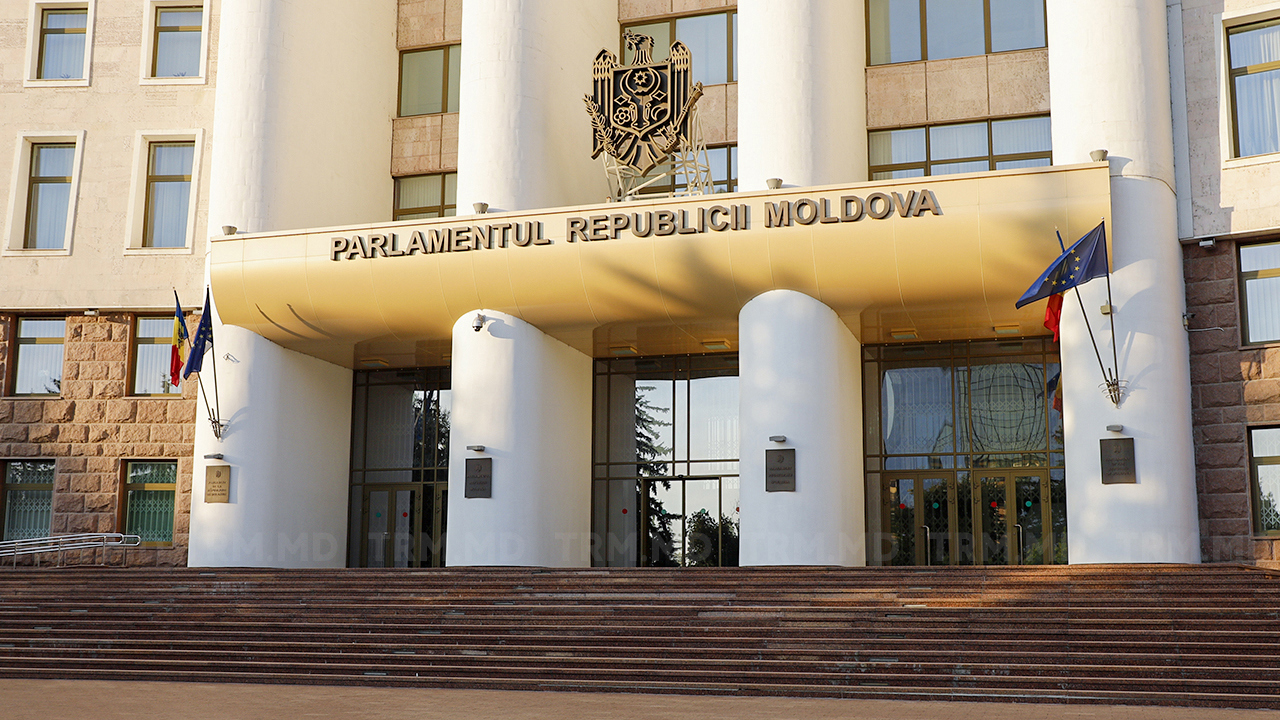
According to the survey, the governing Action and Solidarity Party (PAS) would lose ground and capture just 23% of the vote if parliamentary elections were held now. Party leader Igor Grosu said tough policy choices inevitably weigh on electoral support.
“When you carry out reforms and implement unpopular decisions—and reforms are unpopular by definition—they are not met with applause and unanimity. The consequences for the party’s rating are inevitable. But we are not eternal, and I remind the opposition of that as well,” said Igor Grosu.
PAS Vice President Adrian Băluțel also attributed part of the public frustration to global pressures, adding that the party has already acknowledged its own missteps.
“When it comes to mistakes and errors, we have taken responsibility. We made the necessary changes and started the necessary processes. We have answers for everyone who is dissatisfied on that front, and I repeat that we fully understand the frustration that has emerged in society,” noted Adrian Băluțel.
Opposition sees contrasting takeaways
In the opposition camp, reactions diverged sharply. Vasile Costiuc, leader of the Democracy at Home Party, ranked third in politician trust at 15% and framed the score as the payoff from his party's outreach.
“This is the result of our work; we have not disappointed voters, and I thank the 88,679 Moldovans who placed their trust in us. Today there are probably three or four times as many. That means nothing on its own—it is a growing responsibility on our shoulders,” said Vasile Costiuc.
Renato Usatîi, head of Our Party, struck a more cautious tone after the poll placed his party at 4%, below the electoral threshold.
“In every poll, I started the campaign at 3.4%, and somehow by election day we ended up with 14% or 18%. Today, citizens have every right to be angry with both the government and the opposition,” said Renato Usatîi.
Presidential ambitions downplayed
Asked whether his strong trust rating could motivate him to run for president, Vasile Costiuc said he sees no need for the post.
Socialist leader Igor Dodon, who also ranks among Moldova's most trusted politicians, said the presidency offers limited leverage over domestic policy without a parliamentary majority and government backing.
Translation by Iurie Tataru
RELATED COVERAGE
- Moldova poll: PAS leads Parliament race, 4 parties in
- Moldova's public opinion on EU, NATO, and Russia
- Most Moldovans rely on neutrality despite high security risks
- Proposal to suspend President Maia Sandu will not be on Parliament's agenda
- ANI investigates Member of Parliament Vasile Costiuc for incompatibility violations