Germany funds €20 million air shield for Moldova amid drone threats
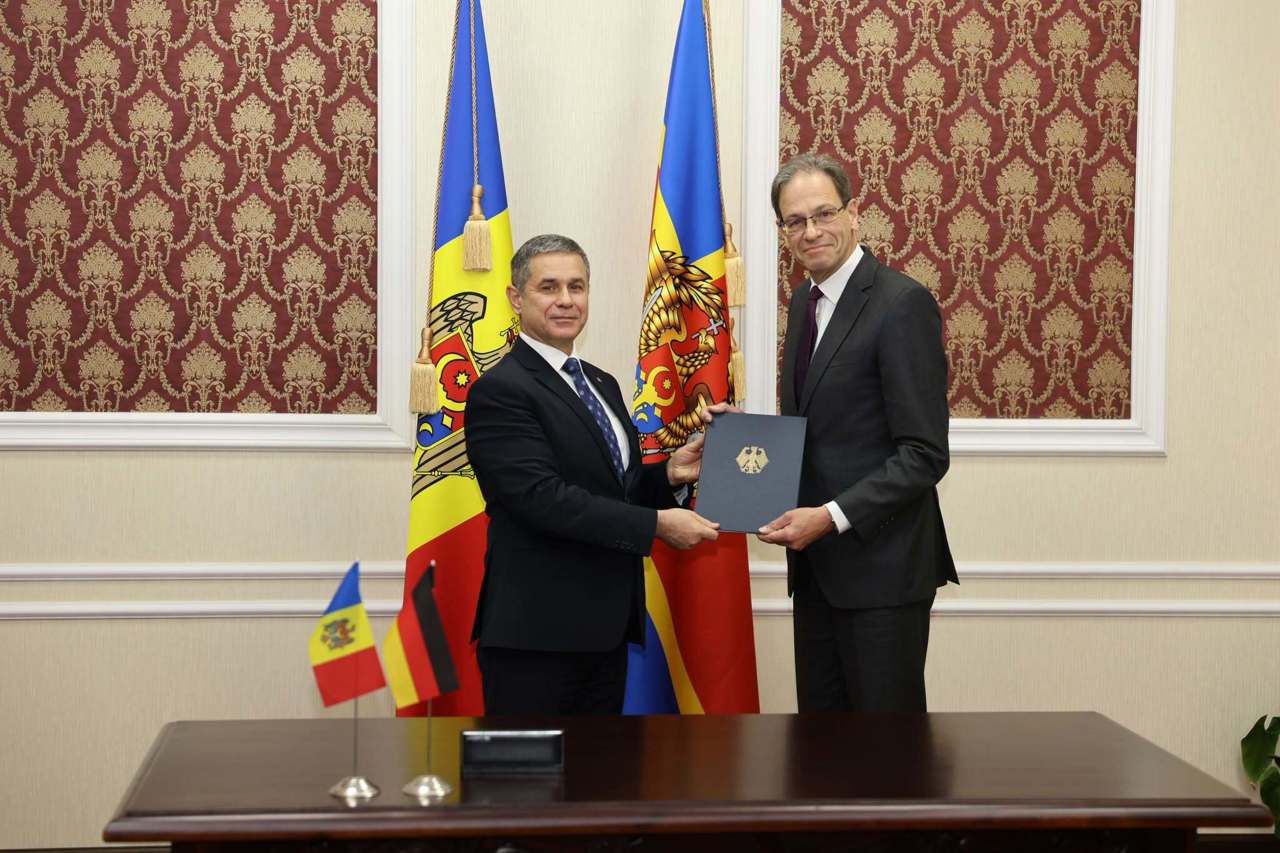
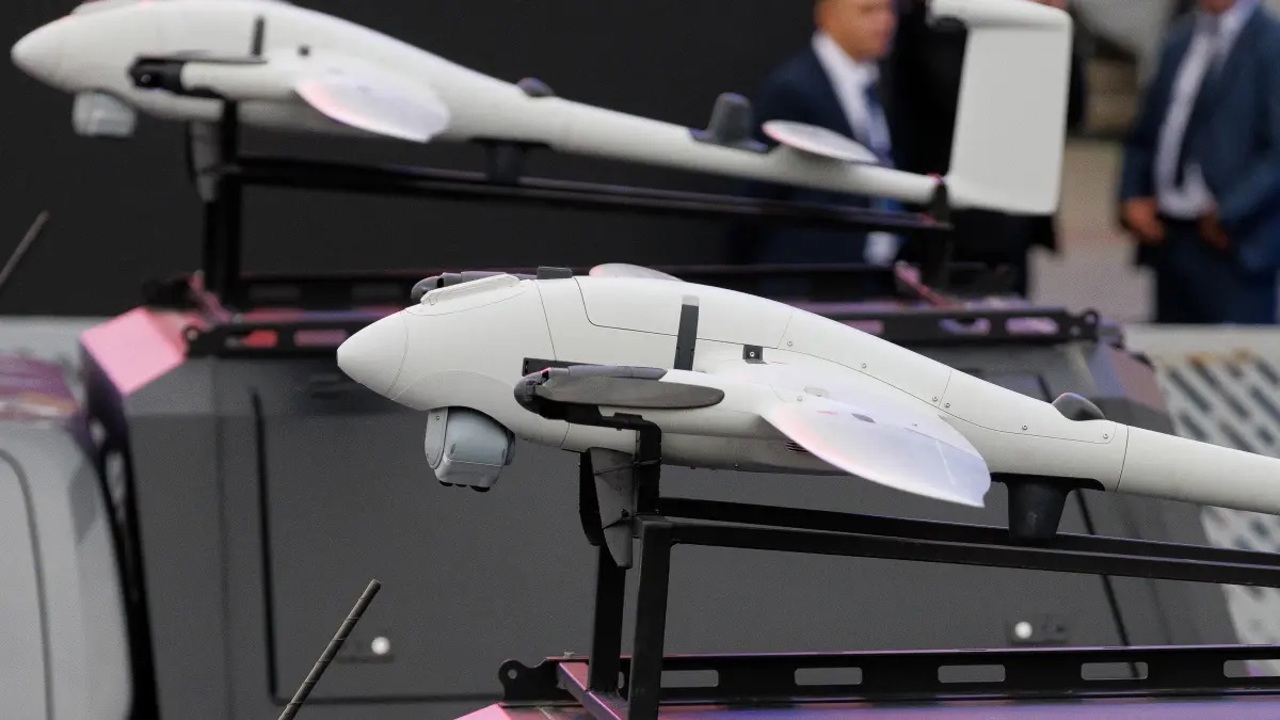
Germany will provide Moldova with a €20 million (approx. 403.8 million MDL) non-repayable grant to purchase an integrated air surveillance and defense system designed to detect and counter drones, the Defense Ministry said.
Defense Minister Anatolie Nosatîi signed the cooperation agreement following recent talks in Berlin between President Maia Sandu and German officials. The system will also bolster the country's capacity to track and neutralize other aerial threats.
“Because of Russia’s war against Ukraine, Russian drones are increasingly violating our national airspace and endangering our citizens’ safety. Moldova needs partnerships and assistance to modernize and expand its air defense capabilities,” Nosatîi said.
The minister noted that the funding reflects Moldova's growing defense partnership with Germany and thanked Berlin for its support.
Closing critical radar gaps
Moldova received its first modern air surveillance radar in December 2023, funded through the national budget and procured via a French company. In April 2024, the Defense Ministry signed a contract for a second modern radar backed by European Union financing.
Beyond those acquisitions, the Moldovan National Army still relies on roughly 20 legacy radar systems. Officials acknowledge that current surveillance and air defense capabilities remain insufficient.
To address these gaps, the government is moving to build a domestic defense industry capable of manufacturing drones, counter-drone systems, and radars locally. A draft bill has been opened for public consultation after Prime Minister Vasile Tofan called for accelerating the initiative in response to Russian drone incursions.
Escalating drone incursions and domestic production
Speaking at the NATO Parliamentary Assembly on November 23, President Maia Sandu warned that Russia's war against Ukraine poses escalating security risks to Moldova. Authorities have recorded more than 80 incidents involving drones and other aerial threats in 2026 alone.
On the afternoon of November 17, officials logged eight separate aerial incidents, six of which detonated on Moldovan soil. Authorities said each breach was followed by disinformation campaigns, while Moscow denies any responsibility.
Sandu said Moldova could begin domestic production of interceptor drones as early as 2027, using Ukrainian technology transfers.
Translation by Iurie Tataru
RELATED COVERAGE
- Moldova turns to Ukraine for air defense after 19 drone incursions
- Moldova's main threat is Russia, Sandu tells NATO assembly
- Sandu links Moldova's security to Ukraine's future
- Military expert: Moldovan air defense strained by drone arrivals
- Moldova seeks hybrid defense solutions as radars struggle with low-altitude drone threats