India could help expand Moldova's energy and tech sectors
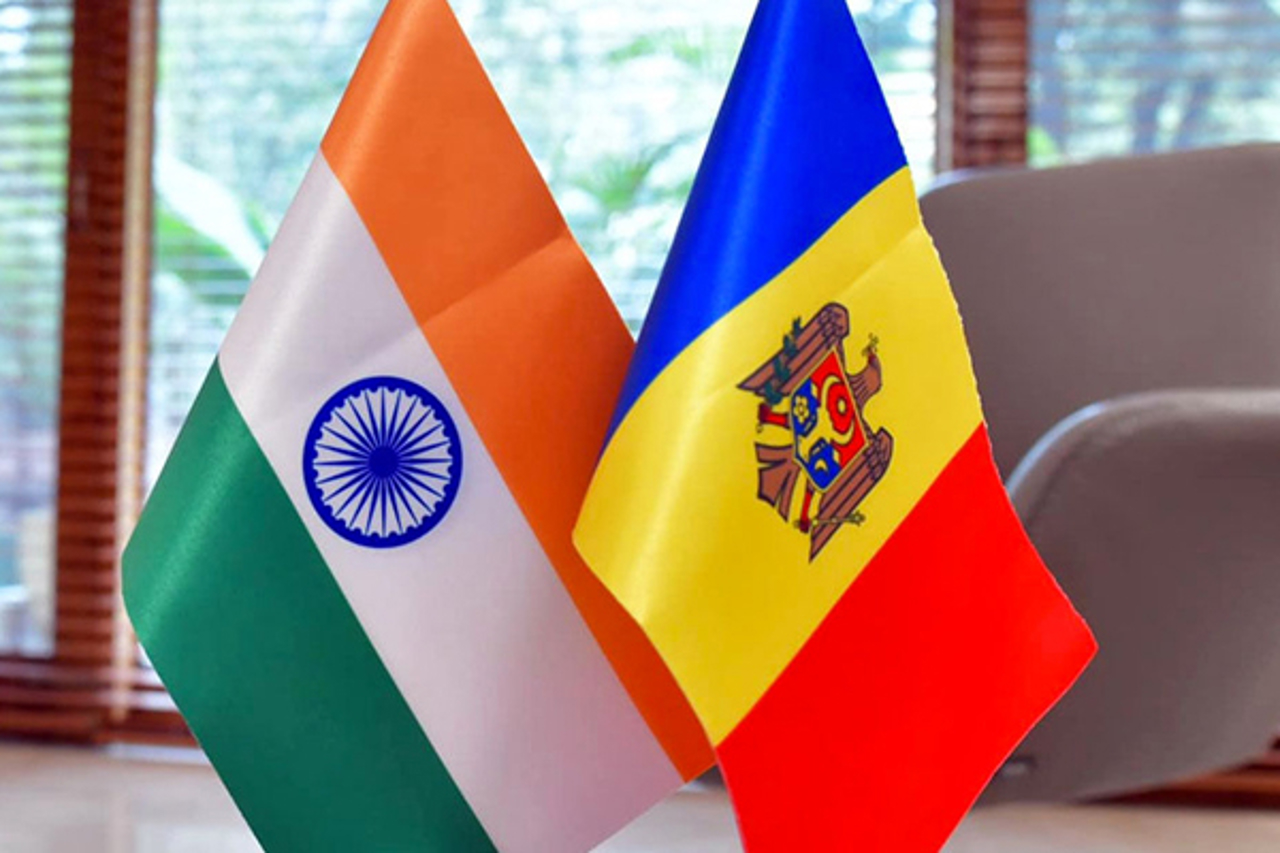
Moldova is seeking Indian investment in renewable energy, infrastructure, pharmaceuticals and technology, while the two countries are discussing new projects and agreements to expand trade and institutional cooperation.
Renewable energy and infrastructure projects
One of the proposed areas of cooperation involves producing bioethanol and biomethane in Moldova. A Moldovan company and an Indian partner have signed a memorandum of understanding to develop the project and draw on India's experience in biotechnology.
The first stage involves a feasibility study and a pilot project to grow sweet sorghum in Moldova. The initiative could pave the way for industrial-scale production and joint investment.
“Another example of the existing potential is cooperation between companies from both countries in renewable energy. A memorandum of understanding has recently been signed. It covers cooperation in bioethanol and biomethane production and the use of India's experience in developing the biotechnology industry,” Ambassador Inga Ionesii said.
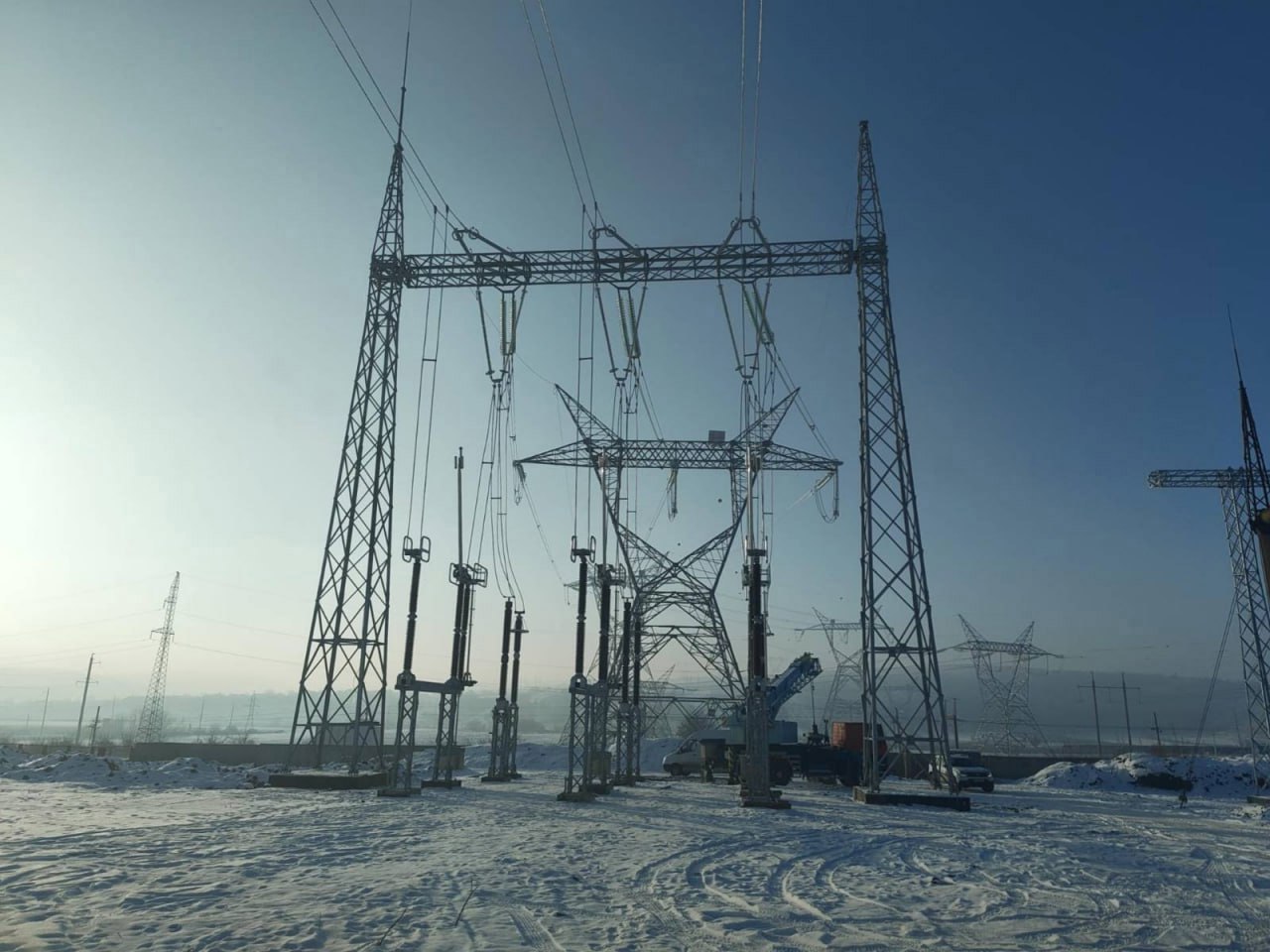
Another major project is the 157-kilometre Vulcănești–Chișinău overhead power transmission line, built by an Indian company. The line was energised in November 2026, marking a significant development in Moldova's strategic energy infrastructure.
Moldova's membership in the International Solar Alliance, which dates to August 2025, also supports cooperation in renewable energy. The platform provides opportunities to exchange expertise and identify solutions for expanding renewable energy capacity.
“We are interested in identifying solutions that support the diversification of energy sources, the development of renewable energy capacity and the modernisation of energy infrastructure,” the ambassador noted.
Moldovan wines and apples target the Indian market
Alongside attracting investment, Moldova wants to diversify its exports and create new opportunities for domestic producers.
The first shipments of Moldovan apples have already reached India. The ambassador hopes other agricultural and processed food products will follow.
The wine industry is another sector being promoted. For the second consecutive year, Moldovan wine producers took part in ProWine Mumbai 2026, held on November 18–19. The international exhibition brought together importers, distributors, hospitality representatives and professionals from the beverage industry.
According to Ionesii, the event gave Moldovan producers opportunities to establish direct business contacts and identify potential distributors.
“Moldovan wines attracted considerable interest from visitors to the exhibition. Distributors, importers and professionals from the wine and spirits industry appreciated their quality and showed increased interest in cooperation and bringing Moldovan products to the Indian market,” she said.
However, entering the Indian market presents several challenges, including geographical distance, transportation costs, differences in regulations, certification procedures and market-specific standards.
“Alongside my personal optimism and desire to develop bilateral trade and economic cooperation, I am also aware of the challenges facing businesses. These include geographical distance, logistics costs, regulatory differences, certification procedures and standards specific to each market,” the ambassador explained.
The Embassy plans to facilitate contacts between companies, provide information about market access requirements and help businesses identify potential commercial partners.
Moldova as a gateway to the European market
Moldova is also seeking Indian investment in agriculture, food processing, pharmaceuticals, information technology, manufacturing and construction materials.
Ionesii believes the country could offer Indian investors an entry point into the European market, thanks to its geographical position, economic ties with the European Union and European integration process.
“I believe the Republic of Moldova can offer Indian investors a gateway to the European market, thanks to its geographical position, economic relations with the European Union and its European integration process. At the same time, the Indian market offers Moldovan producers important opportunities to diversify their exports. Our priority is to turn these complementarities into sustainable economic partnerships,” she said.
Bilateral agreements and business opportunities
Moldova and India are discussing several draft bilateral agreements intended to facilitate cooperation between the two countries.
The proposed documents cover the protection and promotion of investments, air services, medical cooperation, migration and mobility, as well as readmission.
A further step in strengthening diplomatic relations came on November 11, 2026, when the two countries held their third round of political consultations in New Delhi. The discussions took place at state secretary level.
The two sides addressed economic and investment cooperation, expanded sectoral partnerships, the development of the bilateral legal framework and closer people-to-people contacts.
“We have started discussions on the need to continue efforts to finalise legal instruments that would facilitate cooperation in areas of common interest. We have several draft agreements that we are proposing for consideration and subsequent signing,” Ionesii said.
The Embassy is also preparing a business forum in New Delhi, with representatives of Moldova's Chamber of Commerce and Industry and businesspeople expected to attend. The event is intended to facilitate direct contacts between companies and identify potential joint projects.
Indian students strengthen educational ties
Education is another important component of Moldova-India cooperation.
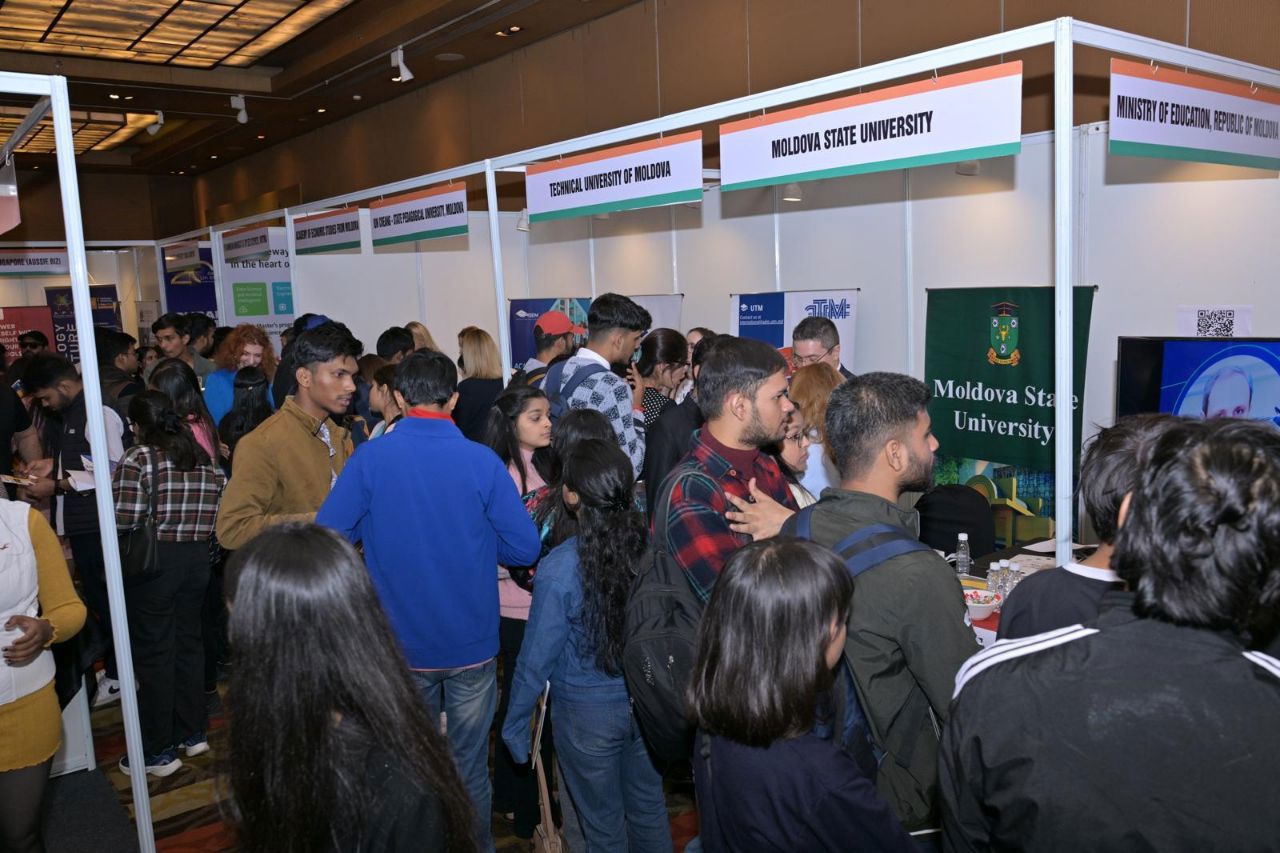
A number of Indian students are pursuing their studies at the Nicolae Testemițanu State University of Medicine and Pharmacy in Chișinău, helping strengthen ties between the two societies.
The ambassador believes the student community can serve as a bridge between Moldova and India through the professional and personal relationships young people develop during their studies.
“The fact that more and more young Indians choose to study in our country, particularly in medicine, demonstrates that Moldova has already become an important academic destination for students from India. This community contributes not only to the internationalisation of Moldovan higher education but also to bringing our societies closer together,” she said.
The two countries also want to advance negotiations on an education cooperation agreement. The proposed agreement could facilitate academic exchanges, university partnerships, joint research projects and professional training programmes.
Another proposed agreement concerns migration and mobility. It is intended to facilitate legal movement between the two countries, improve access to information about applicable procedures and strengthen institutional cooperation on migration management.
“Such an agreement could facilitate legal mobility, improve public access to information about applicable procedures and strengthen institutional cooperation in migration management, while respecting the laws of both countries,” Ionesii explained.
The Embassy is also planning a working visit to India by Moldova's Minister of Education, alongside cultural exchanges and exhibitions of Moldovan art.
Cooperation in IT, artificial intelligence and cybersecurity
Information technology is another area in which India could contribute to Moldova's modernisation.
India's experience in digitalising public services and developing digital skills could be useful to Moldovan institutions. The two countries also want to expand cooperation in cybersecurity and artificial intelligence.
The Embassy has established contact with the Data Security Council of India and agreed to launch joint initiatives.
“India can be a valuable partner in developing electronic public services, modernising administrative processes, supporting innovation and strengthening digital skills. We also see opportunities to expand cooperation in cybersecurity,” Ionesii noted.
Diplomatic relations gain momentum
Moldova and India have entered a period of closer bilateral relations following the inauguration of Moldova's Embassy in New Delhi in December 2024 and the visit of Indian President Droupadi Murmu to Chișinău on July 20, 2026.
It was the first visit by an Indian head of state to the Republic of Moldova.
Ionesii believes these developments have strengthened political dialogue and cooperation between institutions in the two countries.
“As the first visit by an Indian head of state to our country, it sent a strong political signal about the importance both sides attach to developing bilateral relations,” she said.
The ambassador, who began her assignment in New Delhi on August 24, 2026, said her priority was to turn diplomatic interest into practical cooperation that benefits citizens and businesses.
“My priority, together with the Embassy team, is to strengthen mutual trust, deepen institutional dialogue and contribute to projects that bring tangible benefits to both countries,” Ionesii concluded.
In 2025, bilateral trade between Moldova and India totalled €73.4 million (approx. 1.48 billion MDL), equivalent to US$80.5 million at the National Bank of Moldova's official exchange rates of November 28, 2026. Trade increased by 6.87% compared with the previous year. A total of 75 companies with mixed Moldovan-Indian capital are registered in Moldova.
With a population of more than 1.4 billion, India is one of the world's largest economies and among the fastest-growing major economies.
Translation by Iurie Tataru
RELATED COVERAGE
- New Moldova-India partnership brings scholarships and investments
- Maia Sandu pitches Moldova as a hub for Indian investment
- Indian President Murmu makes historic first visit to Moldova
- First Moldova–India economic forum held in Chișinău
- Embassy of the Republic of Moldova in India was officially inaugurated