Moldovan authorities respond to Transnistrian protests and gas blockade
Protests in the Transnistrian region, organized near the crossing points to the right bank of the Dniester, are viewed by the authorities in Chișinău as political actions intended to create tensions between the populations on both sides of the river.
The responsibility for the energy crisis on the left bank of the Dniester rests with Tiraspol and Moscow, not Chișinău, said the spokesperson for the Presidency, Igor Zaharov, during the Zi de zi (Day by Day) program on Radio Moldova.
“It is now clear to everyone who caused this humanitarian crisis on the left bank of the Dniester. Chișinău has never opposed the delivery of gas to this side of the river. Moreover, you all know that there is a contract under which Gazprom is required to supply natural gas to the left bank of the Republic of Moldova, and this contract expires in September 2026. Gazprom is not honoring its contractual obligations; the crisis has been artificially created by Moscow, and the solution could be simple if Gazprom would fulfill its obligations and deliver gas, as there are numerous technical solutions to supply the gas to the left bank.”
Referring to the nature of the protests, he stated that the actions should be directed at those in Tiraspol. “Specifically, the decision-makers in Tiraspol need to reconsider their behavior and address the needs of the citizens living on the left bank.”
Regarding the separatist leader from Tiraspol, Vadim Krasnoselski, who accused Chișinău of discrimination against the Transnistrian region, Zaharov suggested that the responsibility for the humanitarian and energy crisis in the region lies with Russia and the separatist administration. “Chișinău, repeatedly since November, attempted to engage with Tiraspol to prioritize resolving the potential crisis. However, Tiraspol rejected the proposed meetings at the last minute. We suggested supplying gas from the European market to the left bank, and we conducted tests to confirm that this was feasible. We also offered solutions involving coal, but none of these proposals were accepted by Tiraspol.”
Zaharov emphasized that the issue is not technical but political. “The aim seems to be to create division between the populations on both sides of the Dniester. We have offered both technical and humanitarian solutions. Moldovagaz, a subsidiary of Gazprom, is ready to supply gas to the left bank, but Tiraspol has informed us that they will only pay for the gas transit, not for consumption. The protesters are blameless. They deserve heat and electricity, and we want this crisis resolved as quickly as possible. However, it is crucial that Tiraspol accepts these solutions and stops using political games, considering the well-being of the citizens in the region.”
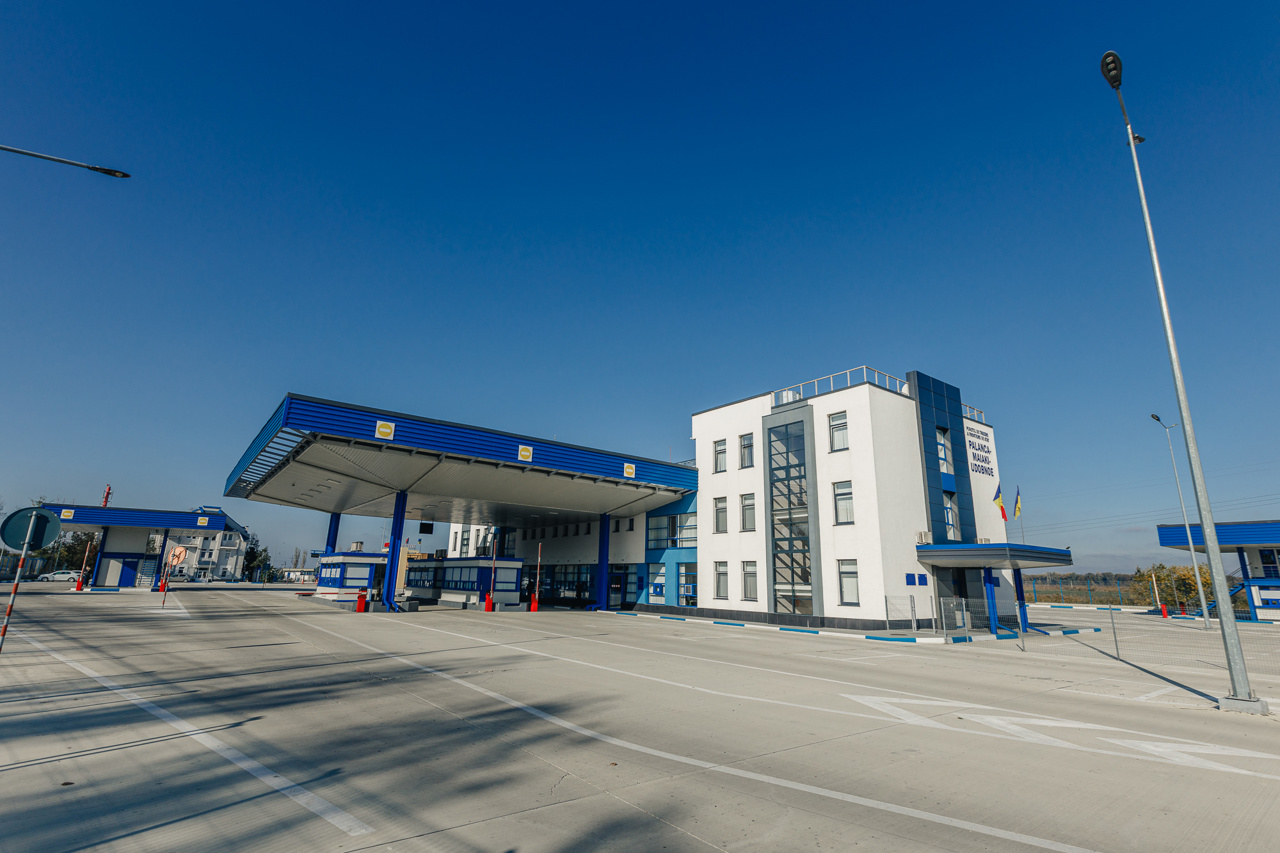
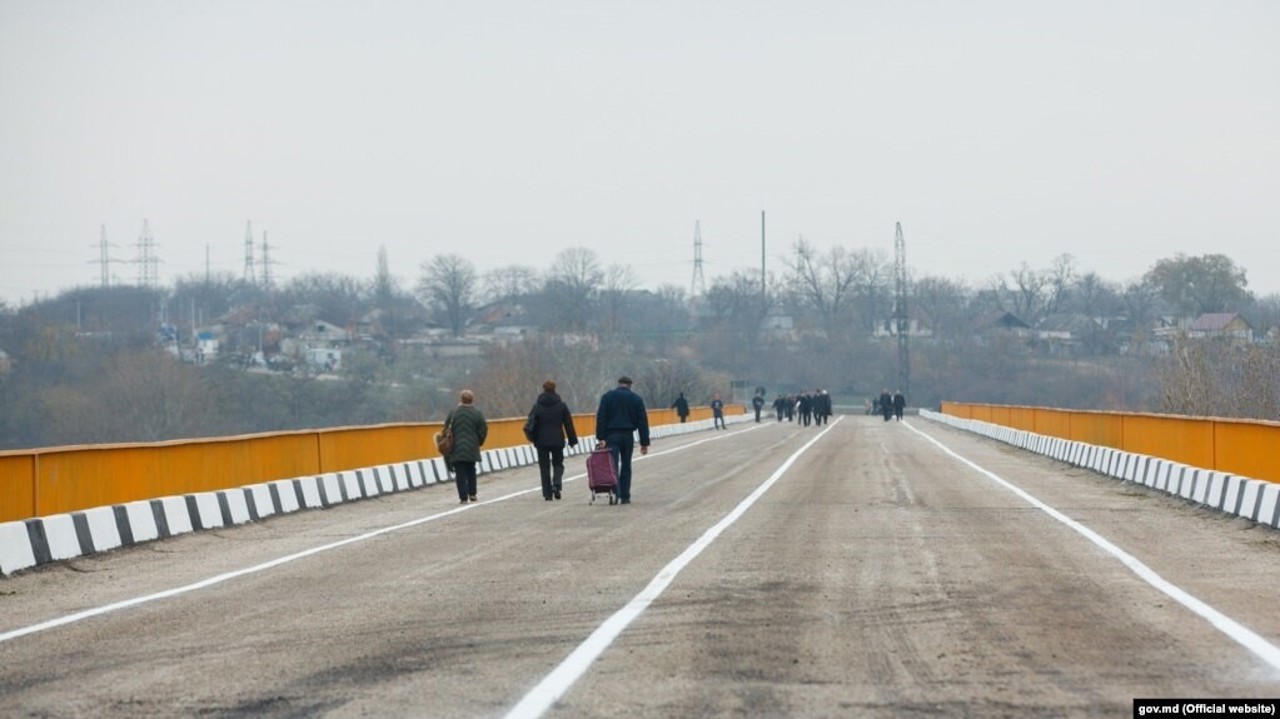
It should be noted that several residents of the Transnistrian region are protesting near the crossing points to the right bank of the Dniester, including at the exit from Bender toward Chișinău, in Rîbnița, and Dubăsari. The protesters accuse the authorities in Chișinău of blocking the delivery of natural gas to the region, leading to an alleged energy and social blockade.
Although Chișinău has repeatedly offered humanitarian aid, including for hospitals and schools, Tiraspol has rejected these offers. Despite these refusals, the authorities in Moldova maintain that they are ready to collaborate in supporting the affected population on the left bank.
Vadim Krasnoselski, the separatist leader in Tiraspol, recently stated that negotiations are underway for the purchase of natural gas through Moldovagaz, acknowledging that this is "the only reliable solution" to ensure the region's energy needs. We contacted the interim head of Moldovagaz, Vadim Ceban, for a comment. He responded, "I don't have anything to comment on at this moment. We are working, and when there are results, we will communicate."
At the same time, Moldovan officials reject the accusations of a blockade, calling Tiraspol's rhetoric "false narratives."
According to Krasnoselski, the region has enough gas reserves for a few more days, and the coal stocks used at the Cuciurgan power plant are expected to last until February 16-17.
Translation by Iurie Tataru