A partnership of equals: Germany becomes first NATO ally to host Ukrainian military mentors
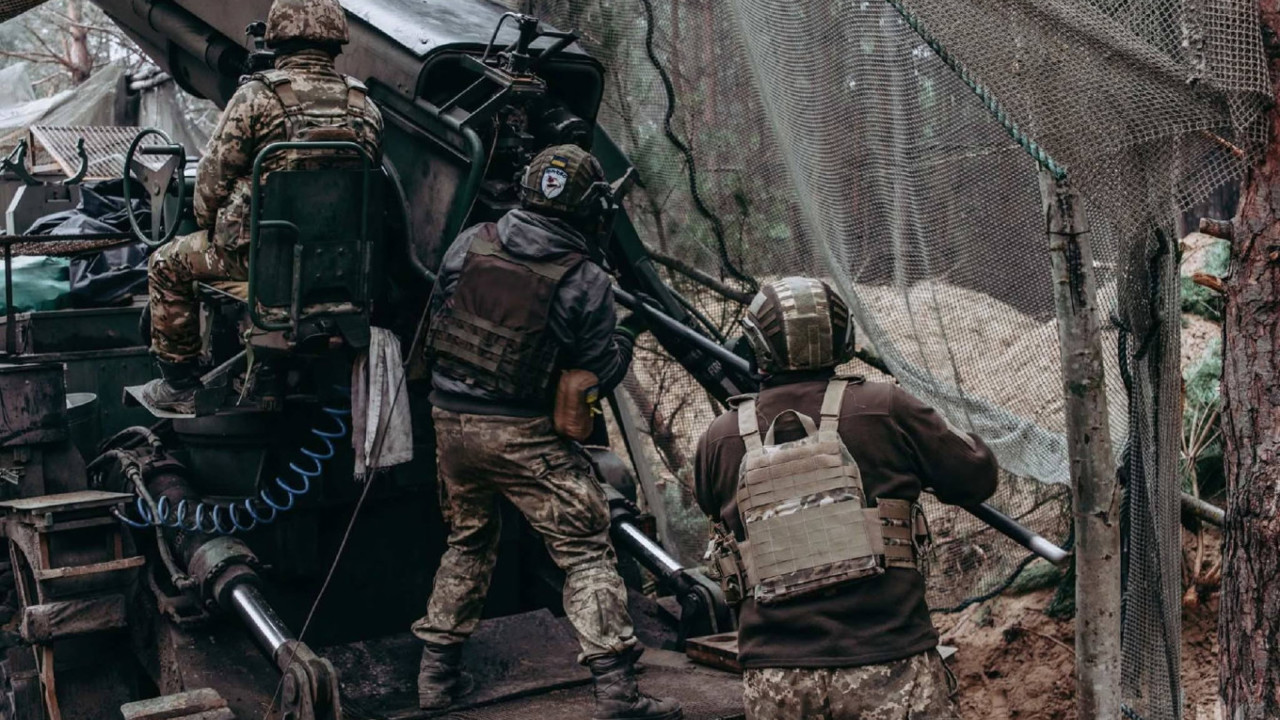
Germany has become the first NATO member to invite Ukrainian military instructors to train its own armed forces in preparation for a potential Russian offensive. Lieutenant General Christian Freuding, a top commander in the German Army, confirmed the strategic shift in a recent interview with Reuters.
The agreement, finalized between Berlin and Kyiv in February, marks a significant reversal of roles. While Western troops previously focused on training Ukrainian forces, battle-hardened Ukrainian instructors will now transfer the combat expertise gained from resisting Russian aggression.
The race against 2029
"Our expectations are high," Freuding stated. "Ukrainian soldiers are currently the only ones in the world with active frontline experience against Russia." This move reflects a new "peer-to-peer security partnership" between the two nations.
Intelligence assessments suggest Russia could be prepared to strike NATO territory by 2029. Freuding emphasized the urgency of the situation, noting that the enemy will not wait for Western forces to declare themselves ready.
High-tech warfare expertise
The initial contingent of dozens of Ukrainian instructors will spend several weeks in Germany. They are set to train German personnel in critical modern warfare domains, including artillery tactics, military engineering, and armored operations.
Special emphasis will be placed on drone warfare and advanced command-and-control (C2) systems. Since the 2022 invasion, Ukraine has adapted Western technology, such as Leopard 2 tanks and Marder vehicles, to create unique tactics for high-intensity conflict.
A new NATO standard
Freuding expressed confidence that other NATO members will follow Germany’s lead. This follows President Volodymyr Zelenskyy's previous offers to assist the U.S. in countering Iranian-made drones through shared tactical knowledge.
While the Kremlin continues to deny plans for an attack on the Alliance, Western officials warn that such assurances are unreliable. They cite the 2022 invasion as a definitive reason to utilize Ukrainian expertise to bolster European defense.
Translation by Iurie Tataru